Does Ceramic Coating Protect Against Rock Chips and Road Debris?
You've probably heard impressive claims about ceramic coating. It protects your paint, makes cleaning easier, and delivers that incredible glossy finish. But does ceramic coating protect against rock chips? This is one of the most common questions we hear, and the honest answer might surprise you.
At Top Notch Tint & Detail +, we believe in setting realistic expectations. Understanding what ceramic coating rock chip protection actually means helps you make smarter decisions about protecting your vehicle. Let's clear up the confusion and explain what ceramic coating does, what it doesn't do, and how to get complete protection for your paint.
What Ceramic Coating Actually Is
Before discussing ceramic coating rock chip protection, it's important to understand what ceramic coating is and how it works. This knowledge helps explain both its strengths and limitations.
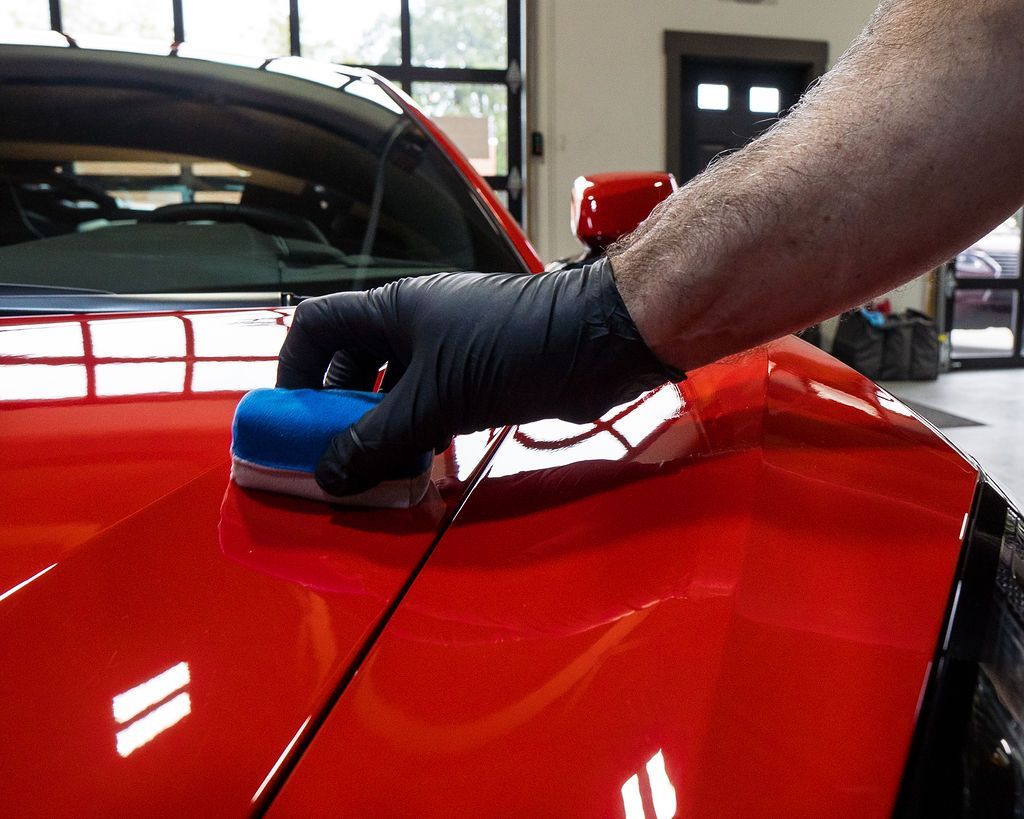
Ceramic coating is a liquid polymer that chemically bonds with your vehicle's clear coat. Once cured, it creates a hard, glass-like layer on top of your paint. This layer becomes part of your vehicle's finish rather than sitting on top like wax or sealant.
The keyword here is "chemical bond." Ceramic coating doesn't add significant thickness to your paint. It creates a protective molecular layer that's extremely thin but very hard. Think of it like a hardened shell that enhances your clear coat's properties rather than adding a cushion on top of it.
This distinction matters because it explains what ceramic coating can and cannot protect against. A chemical bond excels at certain types of protection but has clear limitations when it comes to physical impacts.
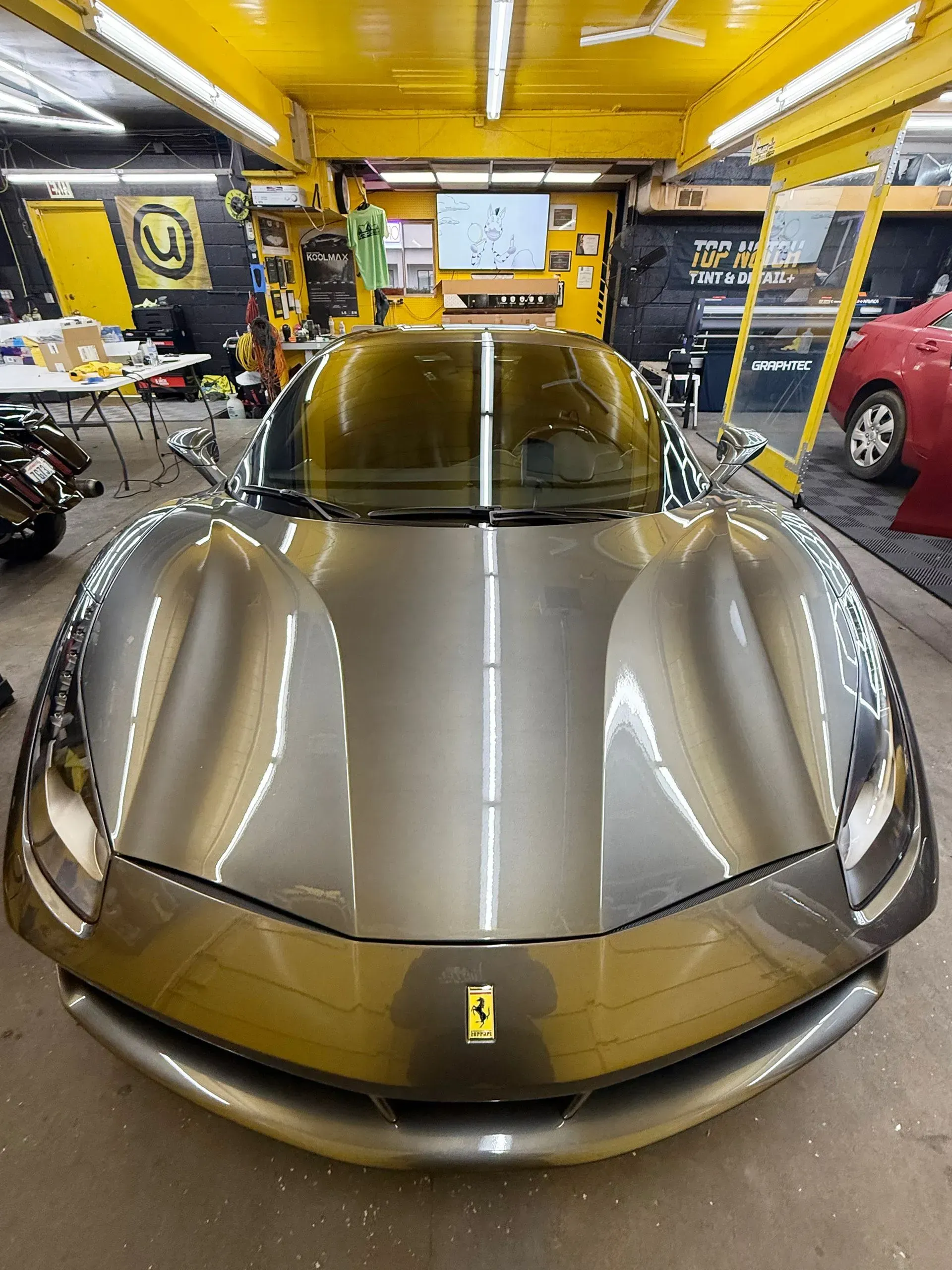
What Ceramic Coating Actually Protects Against
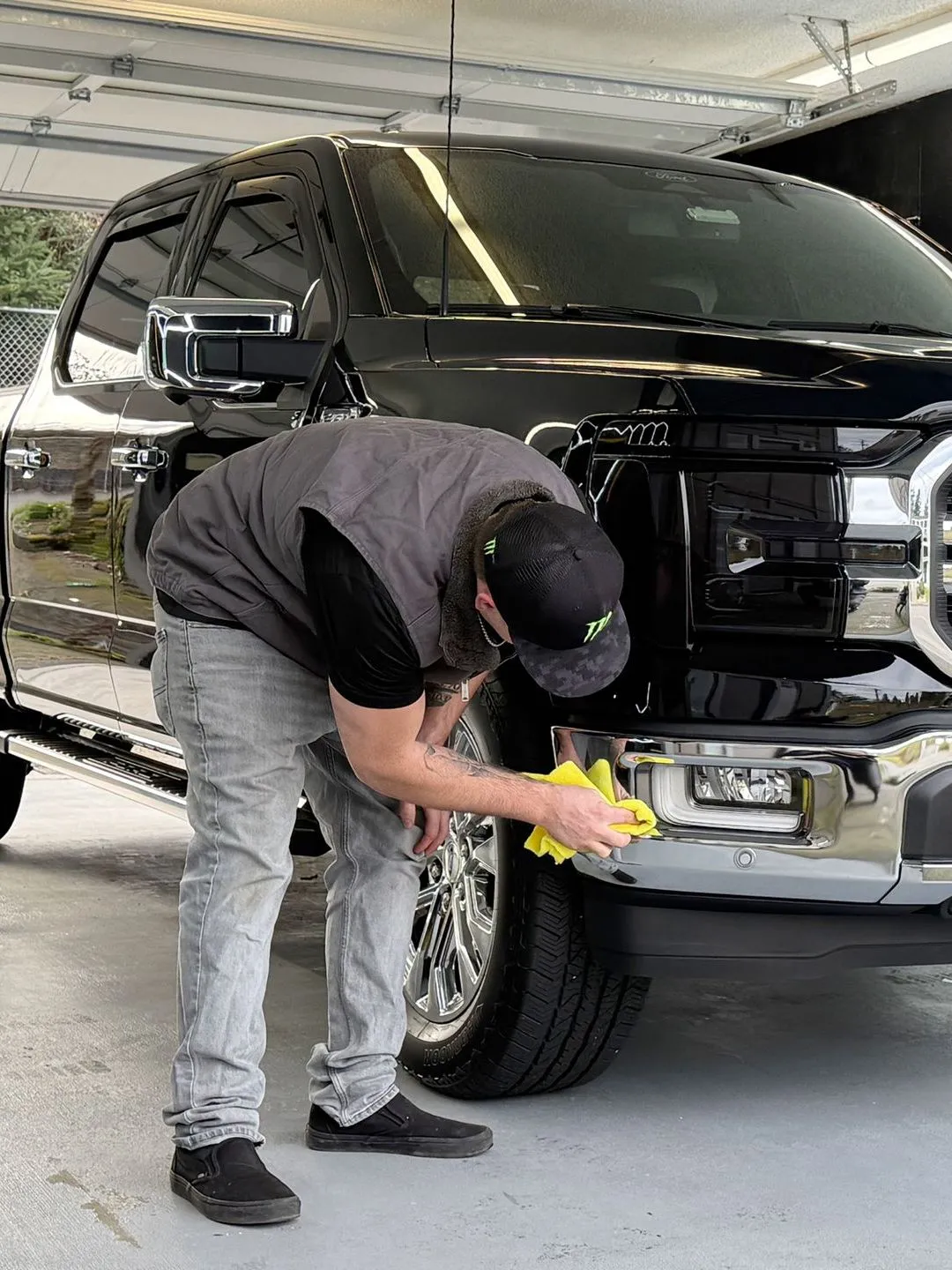
Ceramic coating delivers real, meaningful protection for your vehicle's paint. Understanding these benefits helps you appreciate why it's valuable even though ceramic coating rock chip protection isn't its strong suit.
UV Ray Protection: Ultraviolet radiation breaks down the clear coats over time, causing paint to fade and oxidize. Ceramic coating blocks UV rays before they reach your paint, preventing the sun damage that ages vehicles prematurely.
Chemical Resistance: Bird droppings, tree sap, bug splatter, and road chemicals attack your paint constantly. Ceramic coating resists these chemical contaminants, preventing them from bonding to or etching into your clear coat.
Hydrophobic Properties: The slick, water-repelling surface makes water bead and sheet off your vehicle. This means contaminants wash away more easily, water spots become less likely, and cleaning takes less effort.
Minor Surface Protection: Ceramic coating's hard surface provides some resistance to light swirl marks from improper washing and minor surface contact. It won't prevent more serious damage, but it does offer a degree of surface-level defense.
Enhanced Appearance: Beyond protection, ceramic coating delivers a deep, glossy finish that makes paint colors pop. This mirror-like shine lasts through regular washing and daily exposure.
These benefits are significant and make ceramic coating a worthwhile investment for most vehicle owners. The protection is real, just different from what some people expect.
The Truth About Ceramic Coating and Rock Chips
Here's where we need to be completely honest about ceramic coating rock chip protection: ceramic coating does not prevent rock chips, and anyone telling you otherwise isn't giving you accurate information.
Rock chips happen when road debris impacts your paint at speed. A piece of gravel kicked up by the vehicle ahead of you, a stone from a construction zone, debris from a truck bed-these objects strike your vehicle with significant force. The impact is physical, not chemical.
A ceramic coating's thin chemical layer simply cannot absorb or deflect this kind of impact. When a rock hits your hood at highway speed, it doesn't matter how hard your ceramic coating is. The force transfers through to your paint and creates a chip.
This isn't a flaw in ceramic coating. It's just not what the product is designed to do. Expecting ceramic coating to stop rock chips is like expecting sunscreen to protect you from getting hit by a baseball. Different threats require different solutions.
The same applies to other physical impacts:
- Door dings from parking lots
- Shopping cart contact
- Debris thrown by lawn equipment
- Hail damage
- Any forceful contact with your paint
Ceramic coating provides excellent chemical and environmental protection, but physical impact protection requires a different approach entirely.
Why PPF Is the Solution for Impact Protection
If ceramic coating rock chip protection falls short, what actually works? The answer is paint protection film, commonly called PPF.
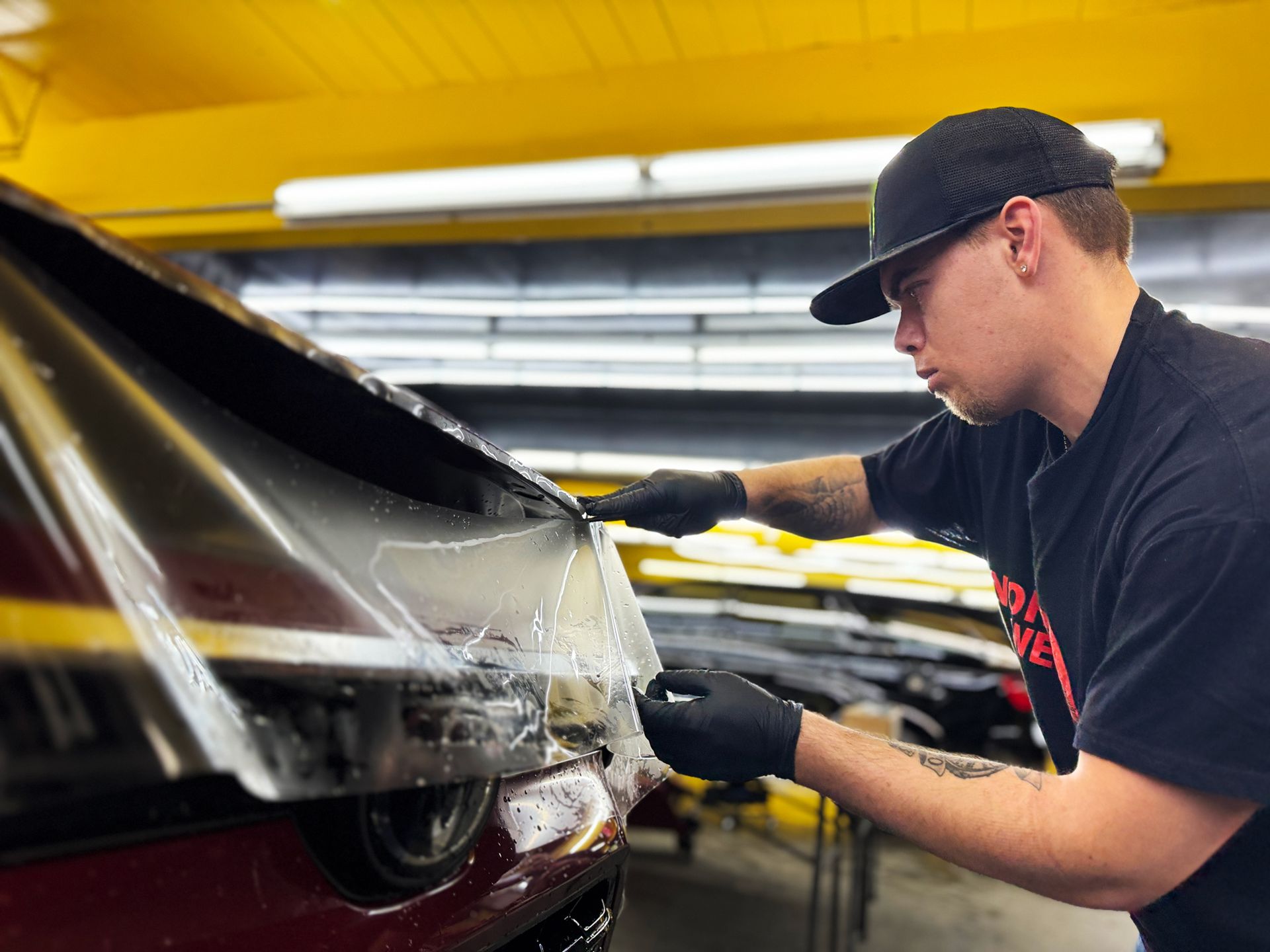
Paint protection film is a thick, clear urethane film applied to your vehicle's painted surfaces. Unlike a ceramic coating's thin chemical layer, PPF adds real, physical thickness that can absorb impacts.
When a rock hits PPF-protected paint, the thick urethane film cushions the blow. The film might get damaged, but your paint underneath stays pristine. That's exactly what PPF is designed to do-take the hit so your paint doesn't have to.
PPF also offers self-healing properties. Minor surface marks on the film disappear when exposed to heat. Park in the sun or apply gentle warmth, and light damage vanishes as the urethane returns to its original smooth state.
The comparison is straightforward:
Ceramic Coating: A chemical protection layer that bonds with paint. Excels at UV protection, chemical resistance, hydrophobic properties, and enhanced appearance. Does not prevent physical impacts.
Paint Protection Film: A physical barrier that absorbs impacts. Excels at preventing rock chips, road debris damage, and minor physical contact. Includes self-healing properties for surface-level marks.
Both products protect your paint, but they protect against completely different threats. Understanding this difference helps you choose the right protection for your concerns.
The Complete Protection Approach
Smart vehicle owners don't choose between ceramic coating and PPF. They combine both for complete protection. This approach addresses every threat your paint faces.
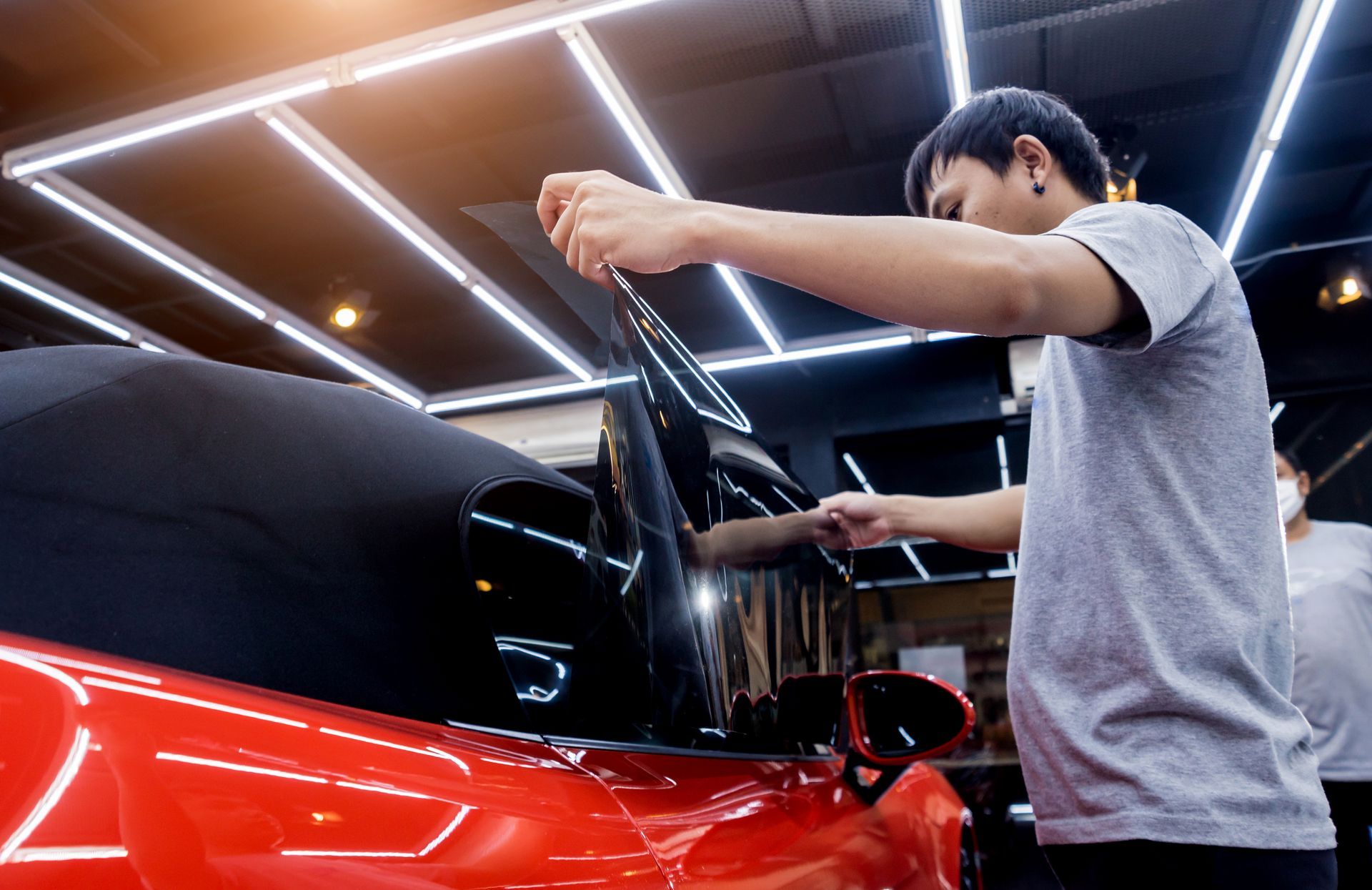
The ideal setup works like this: PPF goes on first, covering high-impact areas where rock chips and road debris are most likely to strike. This typically includes the front bumper, hood, fenders, mirrors, and other vulnerable zones. The thick urethane film creates a physical barrier against impacts.
Then, the ceramic coating goes over everything-both the PPF-protected areas and the rest of your vehicle. The ceramic layer adds UV protection, chemical resistance, hydrophobic properties, and enhanced gloss to your entire vehicle, including the PPF itself.
This combination delivers the following:
- Physical impact protection where you need it most
- Chemical and environmental protection across your entire vehicle
- Self-healing properties in high-impact areas
- Hydrophobic water-repelling surface everywhere
- Enhanced gloss and easier maintenance overall
You get the best of both worlds. PPF handles what ceramic coating cannot, and ceramic coating enhances the entire vehicle's appearance and protection profile.
Choosing the Right Protection for Your Situation
Not everyone needs the same level of protection. Your driving conditions, vehicle type, and budget all factor into the right decision.
Highway Commuters: If you spend significant time on highways where rock chips are common, PPF on high-impact areas makes sense. Combine with ceramic coating for complete protection.
City Drivers: Urban driving involves less rock chip risk but more exposure to environmental contaminants, parking lot hazards, and frequent washing. Ceramic coating alone might suffice, with PPF on the front bumper and hood for added peace of mind.
New Vehicle Owners: Protecting a new car from day one preserves its condition and value. The combination approach prevents damage before it starts.
Show Cars and Enthusiasts: Maximum protection means full-vehicle PPF with ceramic coating on top. This setup keeps paint absolutely pristine for shows and long-term preservation.
Budget-Conscious Owners: If full coverage isn't in your budget right now, prioritize based on your biggest concerns. Ceramic coating alone provides significant benefits. Partial PPF coverage protects the most vulnerable areas without the cost of full-vehicle film.
There's no wrong answer as long as you understand what each product provides and choose based on realistic expectations.
Getting Honest Advice on Protection
We started this article by being upfront about ceramic coating rock chip protection limitations. That same honesty guides how we help customers at Top Notch Tint & Detail +.
When you ask us about protecting your vehicle, we'll ask about your driving conditions, concerns, and budget. We'll explain exactly what each option does and doesn't do. We won't oversell ceramic coating's capabilities or push expensive packages you don't need.
Our goal is to match you with the right protection for your situation. Sometimes that's ceramic coating alone. Sometimes it's PPF on high-impact areas. Often, it's a combination that addresses all your concerns within your budget.
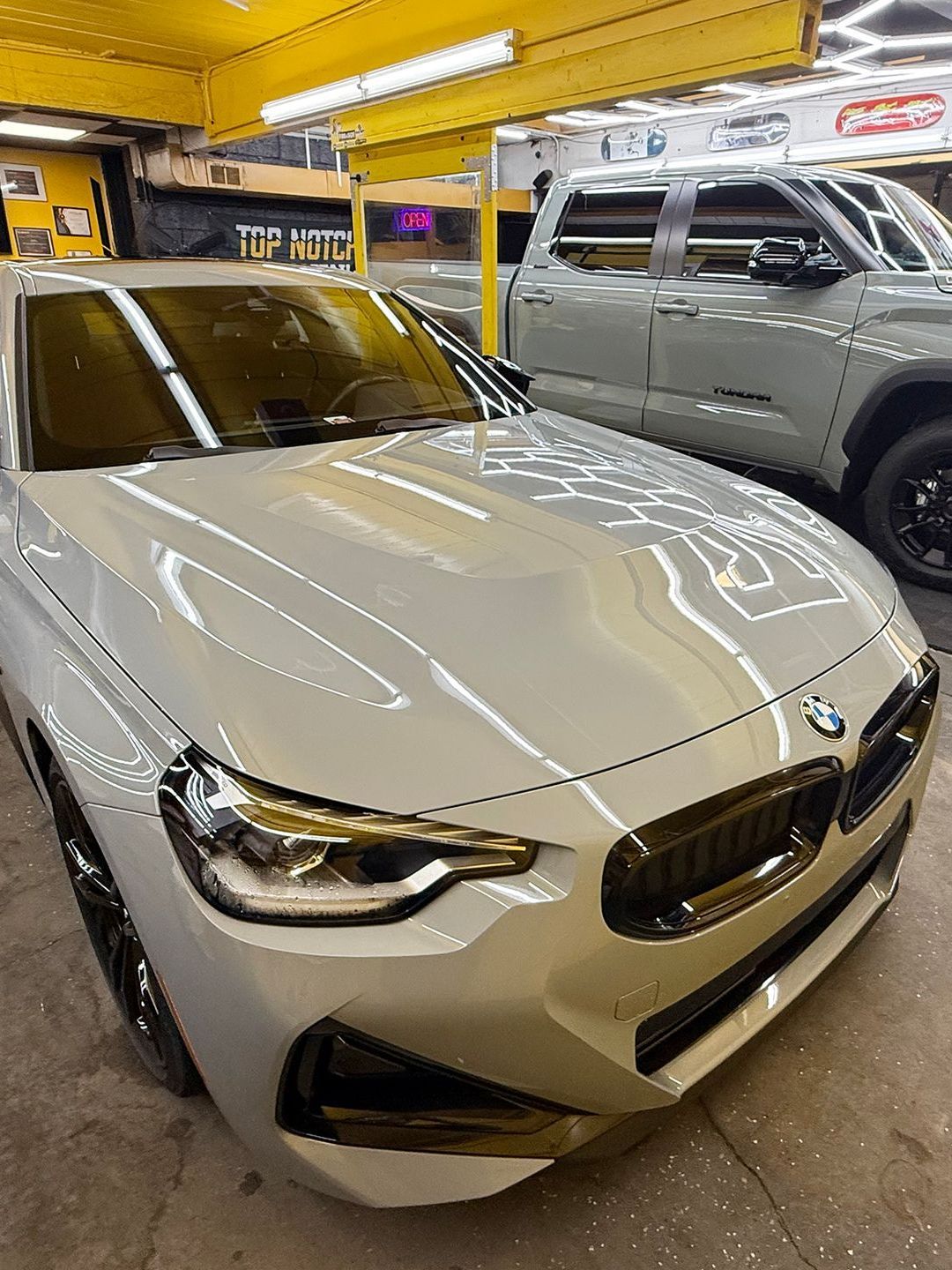
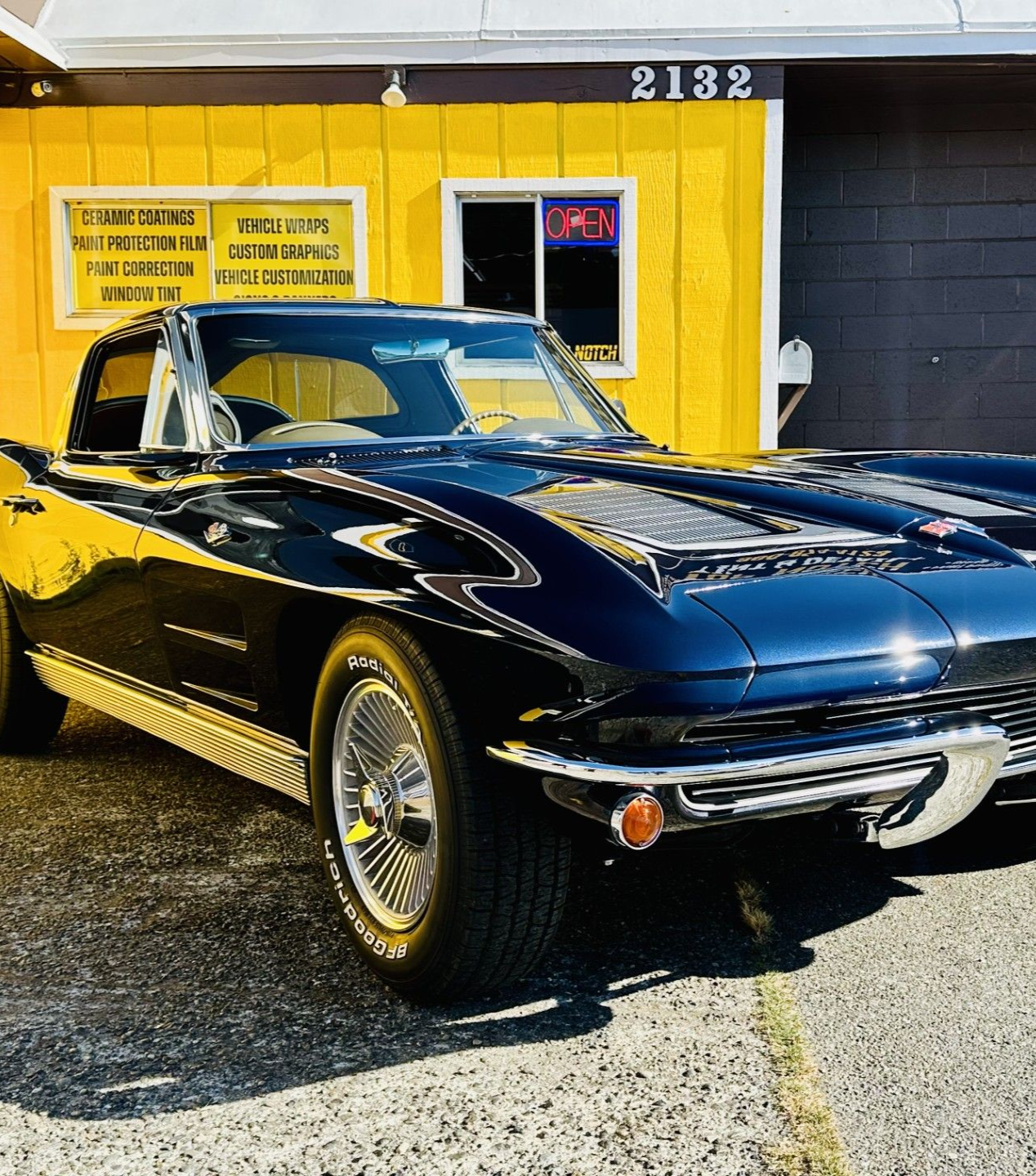
Get Your Protection Assessment
Want complete protection that actually addresses the threats your vehicle faces? At Top Notch Tint & Detail +, we'll help you choose the right combination of ceramic coating and PPF for your vehicle and budget.
Get in touch for your protection assessment. We'll give you honest recommendations based on your driving conditions and concerns, with straightforward advice on protecting your investment.
Frequently Asked Questions
Does ceramic coating prevent rock chips?
No. Ceramic coating rock chip protection is a common misconception. Ceramic coating creates a thin chemical bond that protects against UV rays, chemicals, and minor surface contact, but it cannot absorb or deflect the physical impact of road debris. Rock chip prevention requires paint protection film.
What does ceramic coating actually protect against?
Ceramic coating excels at protecting your paint from UV radiation, bird droppings, tree sap, bug splatter, road chemicals, water spots, and minor surface-level contact. It also creates a hydrophobic surface that makes cleaning easier and delivers enhanced gloss.
Should I get ceramic coating or PPF?
The best approach is often both. PPF provides physical impact protection against rock chips and road debris. Ceramic coating provides chemical and environmental protection plus enhanced appearance. Combining them delivers complete protection against all common threats to your paint.
Can you put ceramic coating over PPF?
Yes. Applying ceramic coating over paint protection film is a common and effective approach. The ceramic layer adds hydrophobic properties, enhanced gloss, and easier maintenance to the PPF surface while the film underneath continues providing impact protection.