Window Tint Regulations: Understanding Legal Limits Before You Buy
Getting your windows tinted sounds simple enough. Pick a shade, schedule an appointment, and drive away with a sleeker-looking vehicle. But there's a critical step many people skip: understanding window tint legal limits in their area. Tint that looks great but violates local regulations can lead to tickets, failed inspections, and the hassle of having to remove or replace your tint.
At Top Notch Tint & Detail +, we believe informed customers make better decisions. Before you invest in window tinting, you should understand how tint laws work, what questions to ask, and how to verify compliance in your specific location. This guide gives you the framework to do exactly that.
How Window Tint Laws Measure Darkness
Every conversation about window tint legal limits starts with one term: VLT. That stands for Visible Light Transmission, and it's the standard measurement used to regulate window tint darkness across the country.
VLT measures the percentage of visible light that passes through your window film. Here's how it works:
- Higher VLT percentage means more light passes through. A 70% VLT film allows 70% of visible light into your vehicle, making it relatively light.
- Lower VLT percentage means less light passes through. A 20% VLT film only allows 20% of visible light in, creating a much darker appearance.
When you hear someone say they have "20% tint" or "5% limo tint," they're referring to VLT percentages. The lower the number, the darker the tint.
Understanding VLT helps you communicate with tint providers and research your local laws. When regulations specify that front side windows must allow at least 35% light transmission, you know you need film with a VLT of 35% or higher on those windows.
Common Regulatory Frameworks for Window Tint
While specific window tint legal limits vary by location, most jurisdictions follow similar frameworks. Understanding these common patterns helps you know what questions to ask and what restrictions to expect.
Front Windshield Rules: Most areas restrict tint on the front windshield significantly. Many only allow tint on the top portion, often called the "AS-1 line" or visor strip. This strip typically extends a few inches from the top of the windshield. Full windshield tint is rarely legal because it can dangerously reduce visibility.
Front Side Window Rules: The windows beside the driver and front passenger usually have the strictest VLT requirements. These windows directly affect the driver's ability to see traffic, pedestrians, and road conditions. Many jurisdictions require higher VLT percentages here than anywhere else on the vehicle.
Rear Side Window Rules: Windows behind the front seats often have more relaxed regulations. Some areas allow a significantly darker tint on rear side windows, while others apply the same standards as front side windows.
Rear Windshield Rules: The back window frequently has the most lenient restrictions. Many jurisdictions allow a very dark tint on rear windshields, especially if the vehicle has side mirrors on both sides.
This front-to-back pattern of decreasing restrictions is common, but not universal. Always verify the specific rules that apply to your location rather than assuming your area follows this pattern.
Medical Exemptions and Special Circumstances
Some people have legitimate medical reasons for needing a darker tint than standard regulations allow. Many jurisdictions recognize this through medical exemption programs that modify window tint legal limits for qualifying individuals.
Medical exemptions typically apply to conditions where UV exposure or bright light causes health problems. Examples might include certain skin conditions, eye disorders, or medications that increase light sensitivity. The exemption process usually requires documentation from a medical provider.
If you think you might qualify for a medical exemption, here's what to consider:
- Research whether your jurisdiction offers medical exemptions for window tint
- Understand what documentation you'll need from your healthcare provider
- Learn what the exemption actually allows, as limits may still apply
- Find out if you need to carry exemption paperwork in your vehicle
- Check whether exemptions need periodic renewal
Medical exemptions don't give unlimited permission for any tint level. They typically allow a darker tint than standard limits while still maintaining safety parameters. Work with your healthcare provider and local authorities to understand exactly what an exemption permits.
What Happens If Your Tint Violates Regulations
Understanding potential consequences helps you make informed decisions about window tint legal limits compliance. Enforcement approaches vary, but common outcomes include:
Traffic Stops and Citations: Law enforcement may stop vehicles with visibly non-compliant tint. Officers often carry tint meters to measure VLT on the spot. Citations typically come with fines that vary by jurisdiction.
Vehicle Inspections: Many states require periodic vehicle safety inspections. Non-compliant window tint can result in inspection failure, preventing vehicle registration renewal until the issue is corrected.
Removal Requirements: Some citations require proof that illegal tint has been removed before the ticket can be resolved. This means paying for tint removal on top of any fines.
Insurance Considerations: While rare, some insurance situations could be complicated by illegal modifications to your vehicle.
The goal isn't to create fear about enforcement. Most vehicle owners with compliant tint never have issues. The point is understanding that non-compliant tint creates an ongoing risk that's easily avoided by choosing legal tint levels from the start.
Questions to Ask Your Tint Provider
A reputable window tinting provider should be knowledgeable about local regulations and committed to keeping customers compliant. Before committing to any tint service, ask these questions:
What are the legal VLT limits in my area? A professional provider should know local regulations and be able to explain them clearly. If they seem unsure or dismissive about legal limits, consider that a red flag.
Which tint options will keep me compliant? Ask specifically which products and darkness levels meet legal requirements for each window on your vehicle. Good providers will steer you toward compliant options.
Do you prioritize legal compliance? Reputable shops stay current on local laws and ensure customers don't leave with illegal tint. Ask how they handle compliance and what their process looks like.
Can you show me what different VLT levels look like? Seeing actual samples helps you understand how different legal options will appear on your vehicle. You might find that compliant tint looks darker than you expected.
What documentation will I receive? Some providers give customers paperwork showing the VLT percentage of installed film. This documentation can be helpful during traffic stops or inspections.
How to Verify Legal Limits in Your Area
Don't rely solely on your tint provider to know the law. Take responsibility for understanding window tint legal limits where you live and drive. Here's how to verify regulations yourself:
Check Your State's DMV Website: Most states publish vehicle equipment regulations, including window tint requirements. DMV websites are generally reliable sources for current legal standards.
Review State Statutes: Your state's traffic code or vehicle code contains the actual legal requirements. These documents can be technical but provide definitive answers.
Contact Local Law Enforcement: Police departments can often clarify window tint regulations and enforcement practices in your area.
Ask at Your Vehicle Inspection Station: If your state requires vehicle inspections, the inspection station knows exactly what tint levels will pass.
Consider Multiple Jurisdictions: If you regularly drive in multiple states, you may need to comply with the strictest regulations among all areas where you operate your vehicle.
Taking time to research ensures you get a tint you'll be happy with for the long term, without worrying about legal complications.
Why Professional Installation Ensures Compliance
Choosing a professional tint provider isn't just about quality installation. It's about working with experts who understand window tint legal limits and prioritize keeping customers on the right side of regulations.
Professional providers like Top Notch Tint & Detail + stay current on local tint laws. We use quality films with accurate VLT ratings and guide customers toward compliant options that still deliver the benefits they want.
DIY tint kits and inexperienced installers often lead to compliance problems. Without proper knowledge of regulations and accurate VLT measurement, it's easy to end up with tint that violates local laws. Professional installation removes this risk.
Beyond compliance, professional window tint installation delivers better results. Our TINT X ceramic films provide superior heat rejection and UV protection while staying within legal limits. You get all the benefits of quality window tint without the worry of citations or failed inspections.
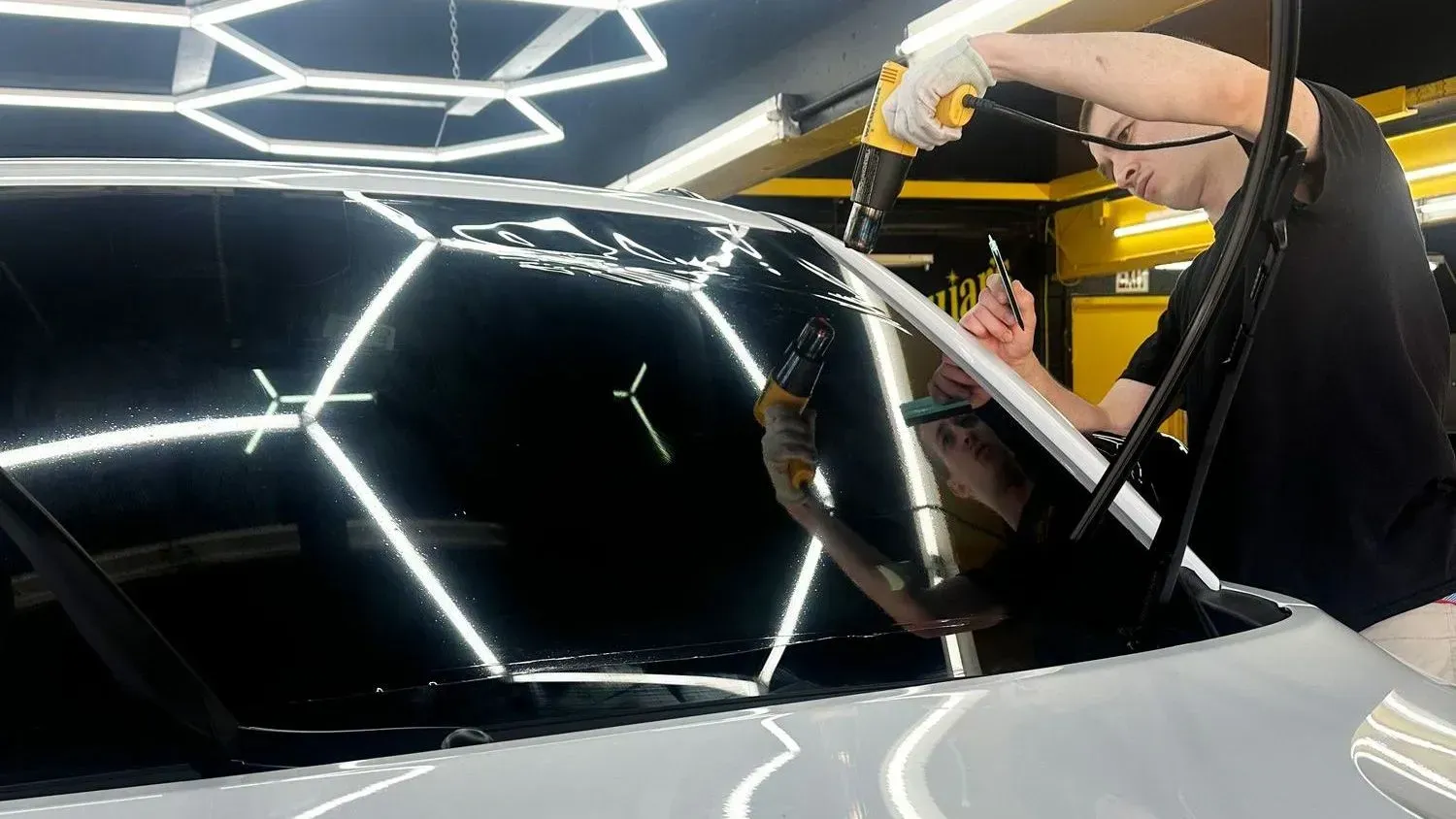
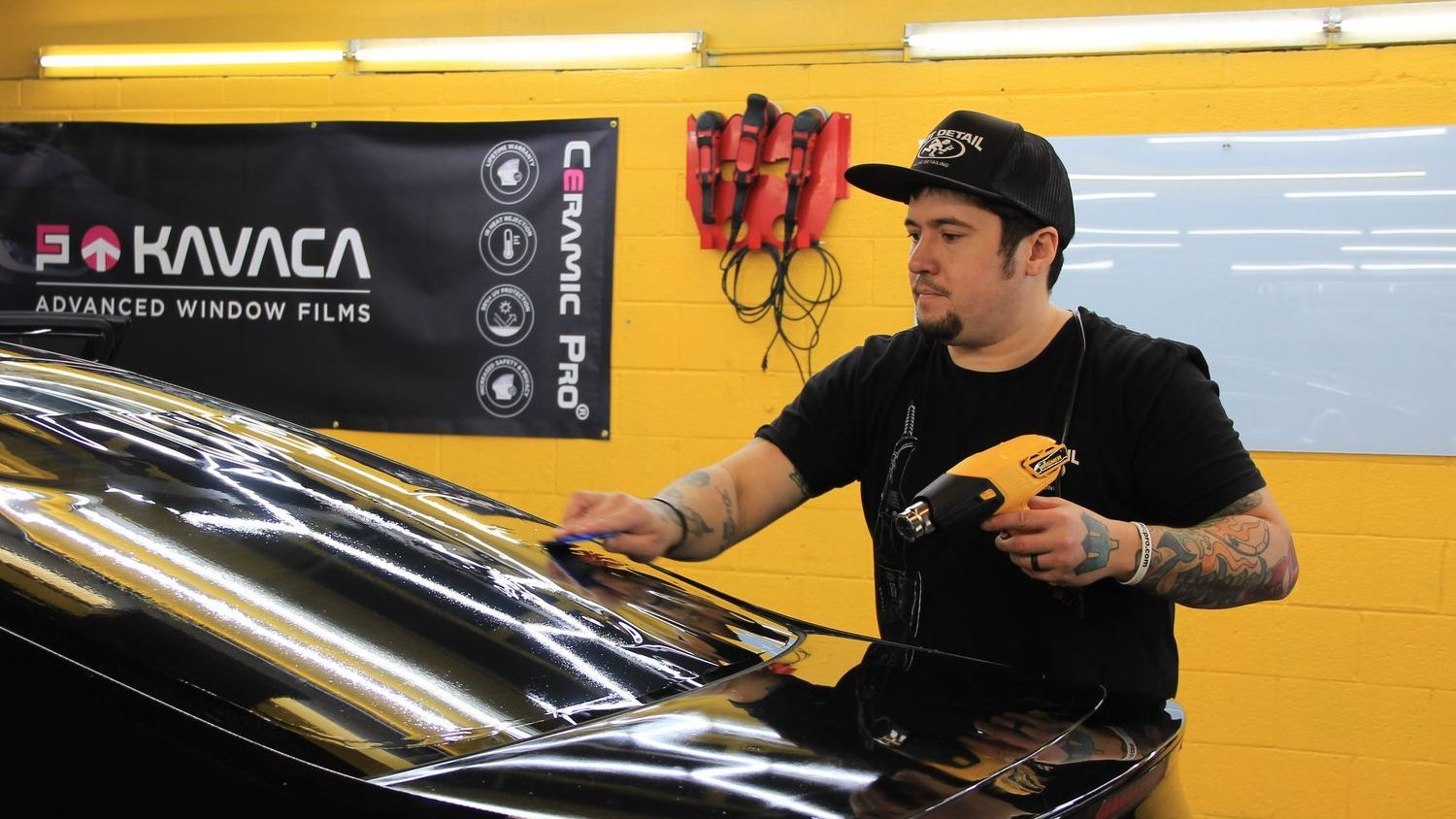
Get Compliant Window Tint From Top Notch Tint & Detail +,
Want window tint that meets all legal requirements? At Top Notch Tint & Detail +, we combine quality products, professional installation, and complete knowledge of local regulations to ensure your tint looks great and stays legal. Our team will explain your options, recommend compliant solutions, and install your tint with precision.
Don't risk tickets or removal costs with non-compliant tint. Get in touch for a consultation, and let's find the right compliant, high-quality tint solution for your vehicle.
Frequently Asked Questions
What does VLT mean for window tint?
VLT stands for Visible Light Transmission and measures the percentage of light that passes through your window film. A 35% VLT means 35% of visible light enters through the tinted window. Lower VLT percentages indicate a darker tint, while higher percentages are lighter.
Are the window tint legal limits the same everywhere?
No. Window tint legal limits vary significantly between states and even some local jurisdictions. Regulations typically differ for front side windows, rear side windows, and windshields. Always verify the specific rules that apply where you live and drive.
Can I get a darker tint with a medical exemption?
Many jurisdictions offer medical exemptions that allow a darker tint than standard limits for qualifying conditions. These typically require documentation from a healthcare provider. Contact your local DMV or law enforcement to learn if exemptions are available in your area and what the process involves.
How do I know if my current tint is legal?
Professional tint shops can measure your current tint's VLT percentage. You can also check with your local vehicle inspection station or law enforcement. If you're unsure about your tint's compliance, getting it measured provides definitive answers.