How Long Does Car Window Tint Take to Cure After Installation?
So you just picked up your car with fresh tint. The windows look sharp, and you're ready to hit the road. Then you spot a few tiny water bubbles or a foggy patch. Is something wrong?
Probably not. What you're seeing is the curing process, and it's a normal part of a tint job. At Top Notch Tint & Detail +, we know fresh tint can bring up a few questions, like how long curing lasts and what to do in the meantime.
Here's the honest truth. Car window tinting curing time isn't one set number. It shifts with the weather, the film, and even where you park at night. A sunny summer stretch and a gray, drizzly fall week can lead to very different results.
Below, we'll cover what happens after installation, what changes the pace of curing, what's normal to see, and when to call your installer.
Installation vs. Curing: What's the Difference?
Installation and curing are two separate stages. The first happens in the shop, while the second happens after you drive away.
The Installation Stage
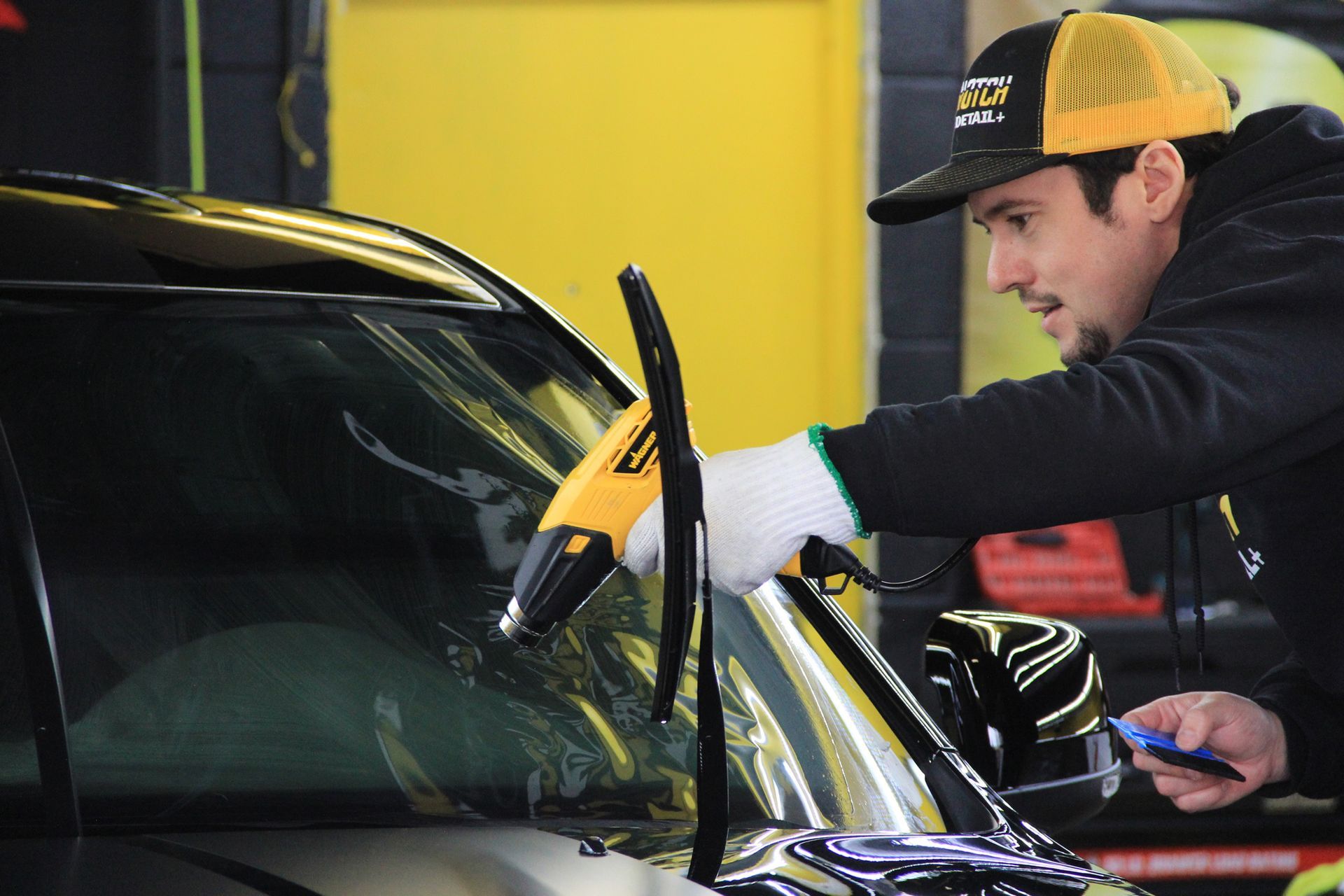
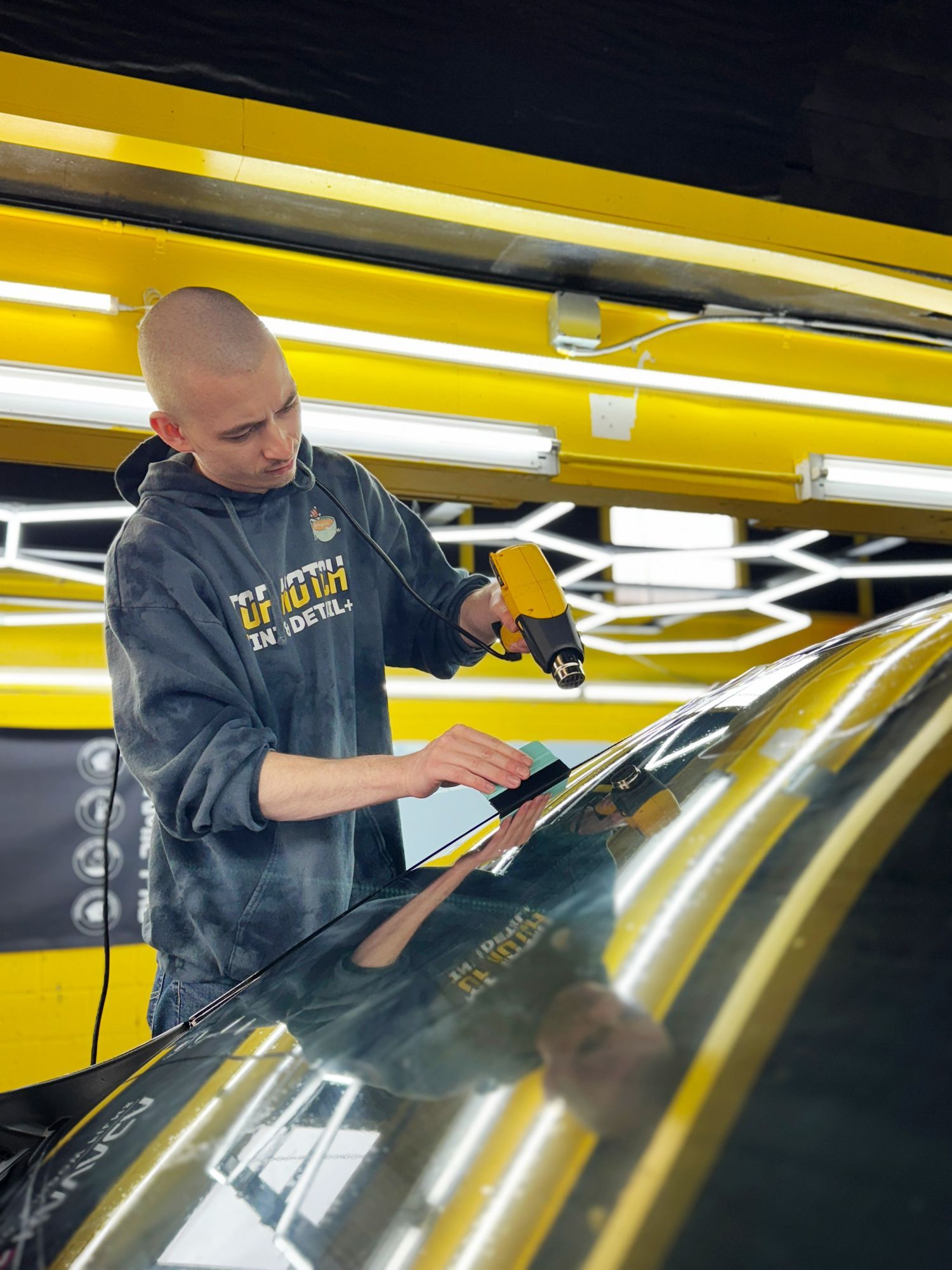
This is the part you see. The film gets cut to fit your windows and carefully put in place on the glass. Once it's smoothed out, your car is ready to head home.
Still, a freshly applied film isn't fully settled yet. A small amount of moisture usually stays trapped between the film and the glass, and that's where curing comes in.
The Curing Stage
Curing is the period when that leftover moisture slowly dries out. As it does, the adhesive grips the glass more firmly, and the film settles into its final look.
What Affects Car Window Tinting Curing Time?
Several things play a part in how fast your tint settles in. Some of them you can control, and others you simply have to wait out.
Temperature
Warmth helps moisture evaporate, so curing tends to move faster on warm, sunny days. Cold air slows the whole thing down. A car parked outside on a chilly Bremerton morning may take longer to clear up than one sitting in the summer sun.
Humidity and Rain
Damp air makes it harder for trapped water to escape. And let's face it, dry air isn't exactly a Pacific Northwest specialty. During rainy, misty stretches, curing usually takes longer, so a little haze during a wet week is no reason to panic.
Film Type
Not every film behaves the same way while it cures. The way a film is made, and the adhesive it uses, can both affect how quickly moisture dries out.
At Top Notch Tint & Detail +, our window tinting services feature TINT X ceramic films. These films use non-metallic, non-conductive ceramic particles to cut down on heat and block 99% of UV rays.
Weather and Seasons
Weather ties all of these factors together. Here's how different conditions tend to play out:
- Warm, sunny days: moisture dries faster, so the film clears up sooner
- Cool, cloudy days: curing moves at a slower pace
- Rainy or humid stretches: trapped water tends to linger
- Covered parking on cold nights: keeps the car out of the damp, though curing may still be gradual
Common Changes You Might See While Tint Cures
New tint doesn't always look perfect right away. Most of the odd things drivers notice early on are temporary and part of normal drying.
- A foggy or milky look: the film may appear slightly cloudy while moisture is still trapped
- Small water pockets: tiny bubbles often shrink and fade as the film dries
- Faint streaks or a wavy look: these usually even out as the adhesive settles
- Uneven shading: some spots may look a little different until everything dries
The good news is that these signs usually fade on their own. Pressing on them won't speed things up, so it's best to leave them alone.
Precautions to Take During the Curing Period
How you care for your car right after installation makes a real difference. A few easy habits give the film a better chance to bond properly.
Keep the Windows Rolled Up
This one matters most. When a window moves up and down too early, it can catch the edge of the film and lift it. Ask your installer when it's safe to use your windows again, and follow that advice.
Hold Off on Cleaning the Inside Glass
The film is on the inside of the glass, so wiping or spraying that side can shift it or leave marks. Once your tint has settled, our full detailing service covers both the interior and exterior of your vehicle.
Other Easy Habits
A few more steps help protect your new film while it settles in:
- Avoid picking at bubbles, edges, or corners
- Skip suction cups, decals, and stickers on tinted glass for now
- Park in the sun or in a garage when you can
- Keep seat belt buckles and cargo away from the glass
Thinking about protecting your paint as well? A ceramic coating adds hydrophobic technology and a mirror-like shine to your car's finish.
When Should You Contact Your Installer?
Most curing quirks clear up on their own. Still, some issues aren't part of normal drying, and it's smart to have them checked.
- Bubbles that stay the same or grow after the haze has cleared
- Edges or corners that start lifting or peeling
- Dirt, hair, or specks trapped under the film
- Creases, folds, or surface marks in the film itself
- Haziness that doesn't improve even after warm, dry weather
If you're not sure whether something is normal, just ask. It's always better than guessing.
Get Your Windows Tinted the Right Way
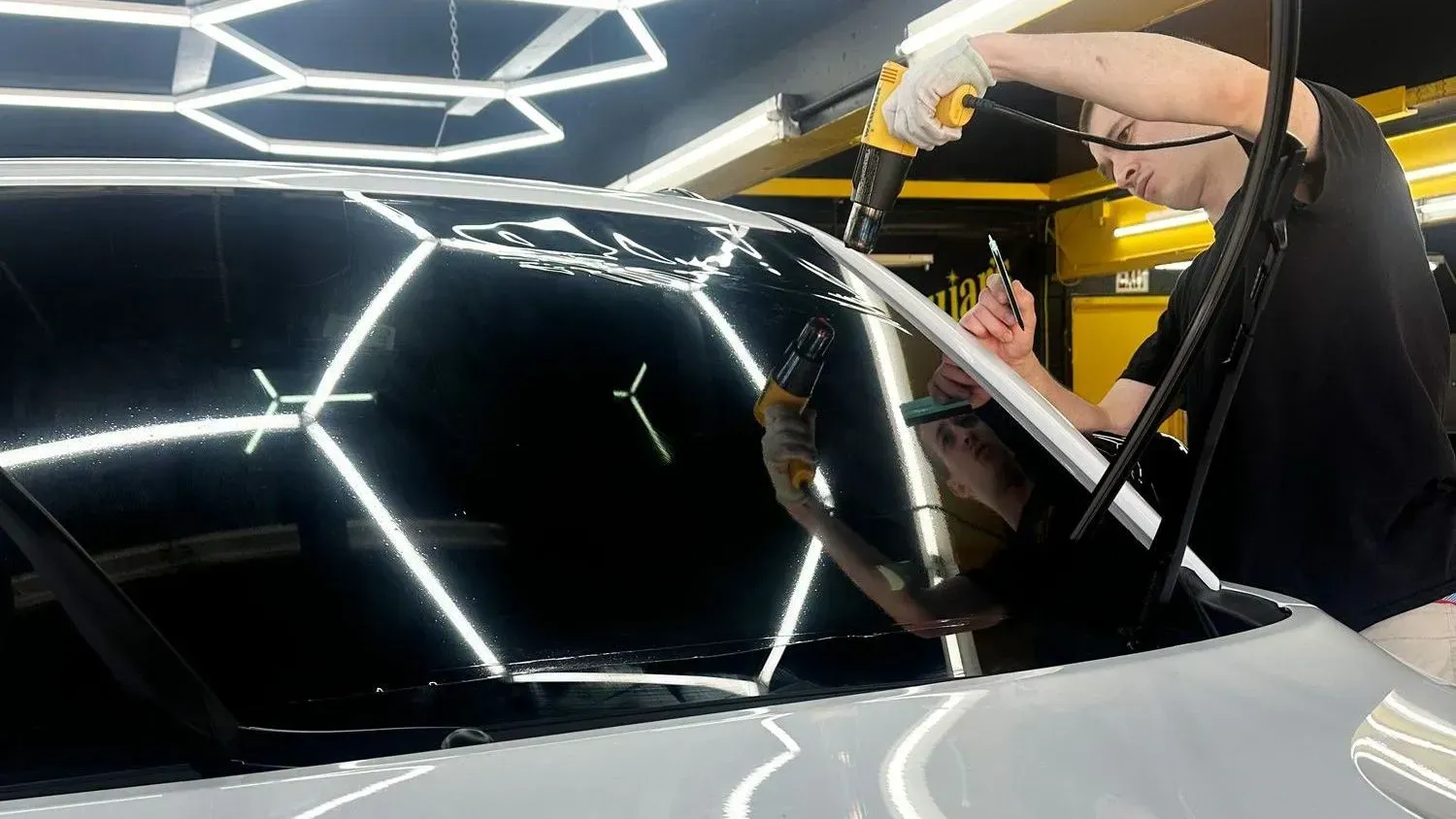
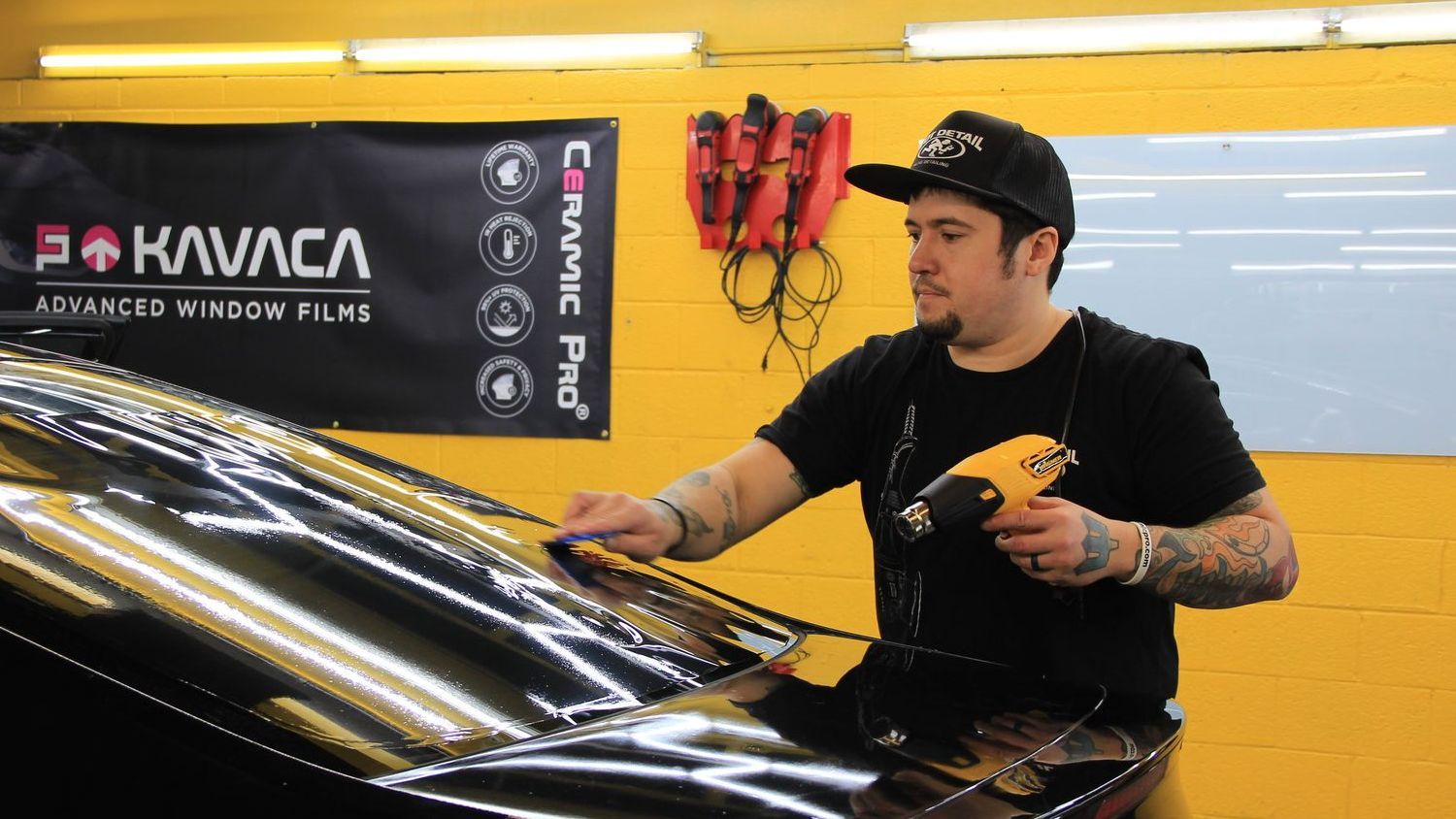
Professional installation sets the stage for a smooth curing process. When the film is fitted with care, you'll have less to worry about once you leave the shop.
Top Notch Tint & Detail + is proud to be voted Best of Kitsap two years running, and our team works with drivers in Kitsap County, Bremerton, and Tacoma. Have questions about curing, film options, or aftercare? Contact us, and we'll be happy to help.
Frequently Asked Questions
Is it normal for new window tint to look hazy?
Yes, it's very common. That cloudy look comes from leftover moisture under the film, and it slowly fades as the water dries. In cool, damp weather, it may stick around a little longer than it would on a warm, sunny day. If the haze doesn't improve after a dry, warm stretch, ask your installer to take a look.
Can I roll down my windows right after getting tint?
It's best to wait. The film needs time to bond, and the edges are still settling after installation. If you lower a window too early, the glass can catch the film and cause it to peel or lift. Keep them closed until your installer gives you the go-ahead.
Why does tint take longer to cure in cold or rainy weather?
Curing depends on trapped moisture drying out. Warm air and sunshine help that water evaporate, while cold, damp air slows the process down. Around Kitsap County, gray skies and drizzle are pretty common, so car window tinting curing time can run a bit longer here. That doesn't mean anything is wrong with your film.
Do water bubbles under new tint go away on their own?
In most cases, yes. Small water pockets are a normal part of curing, and they tend to shrink as moisture escapes. Avoid pressing on them, since that can damage the film. Bubbles caused by trapped dirt or debris are a different story, and they usually won't fade with time. If a bubble doesn't change after the rest of the film clears, reach out to your installer.
Does ceramic window tint cure differently than other films?
Different films can dry at slightly different speeds. Ceramic films, like the TINT X films we install, use non-metallic, non-conductive particles to reduce heat and block UV rays. Even so, weather and temperature usually have a bigger effect on how fast curing happens.