Why New Cars Can Benefit From Paint Protection Film Right Away
You just drove your new car off the lot. The paint is flawless. Every panel gleams. Why would you need paint protection film when there's nothing to protect against yet?
Here's the thing. That flawless paint started encountering road hazards the moment you pulled onto the highway. Every mile adds exposure to debris, gravel, bugs, and environmental contaminants. The damage begins immediately, even if you don't notice it right away.
PPF for new cars makes sense precisely because the paint is still perfect. Installing protection before damage accumulates means you're preserving that factory finish rather than covering over existing problems. Let's look at why timing matters and what new car owners should consider.
At Top Notch Tint & Detail +, we install professional paint protection film for drivers throughout Tacoma, Bremerton, and Kitsap County. Many of our customers bring in vehicles shortly after purchase, and there are good reasons for that approach.
Road Hazards Start Immediately
The drive home from the dealership introduces your paint to real-world conditions. PPF for new cars addresses threats that begin on day one, not threats that might appear someday.
Highway driving exposes your front end to constant debris bombardment. Vehicles ahead kick up rocks, gravel, sand, and random road material. At highway speeds, even small particles impact your paint with enough force to leave marks. One trip on the interstate creates exposure that accumulates from there.
Construction zones concentrate the problem. Loose gravel, aggregate, and debris cover roads near work sites. Temporary surfaces, unfinished shoulders, and truck traffic make these areas particularly hard on paint. If your commute passes through any construction, your paint takes hits regularly.
Gravel roads multiply the exposure. Whether you're visiting a rural property, taking a scenic route, or dealing with unpaved access roads, loose stone surfaces throw debris constantly. One trip down a gravel road can leave marks on an unprotected vehicle.
Even normal city driving involves exposure. Debris sits in intersections, washes across roads during rain, and gets kicked up by surrounding traffic. Lower speeds reduce impact force, but the cumulative effect still matters.
Bug Impacts and Biological Hazards
Bugs don't seem like a paint threat, but they cause real problems that PPF for new cars helps prevent.
Insect impacts at speed leave acidic residue on your paint. The bug's body fluids are mildly corrosive. Left on your paint, this residue can etch into the clear coat, leaving permanent marks even after you wash the remains away.
Summer driving through rural areas or near water brings concentrated bug exposure. One evening drive can cover your front end with insect remains. Each of those impacts leaves residue that needs removal before it bonds with your paint.
Bird droppings present similar issues. The acidic nature of bird waste can damage clear coat if left in place. Tree sap, pollen, and other biological material also affect paint surfaces over time.
PPF creates a sacrificial barrier that takes these impacts instead of your paint. The film handles the acidic residue, the impacts, and the cleanup without damage to your factory finish beneath.
The Advantage of Early Protection
Installing PPF for new cars before damage accumulates offers distinct advantages over waiting.
When you protect paint that's still perfect, nothing gets sealed underneath the film. No existing marks, no accumulated damage, no compromises. The film bonds to factory-fresh clear coat in ideal condition.
Waiting means accepting whatever damage occurs in the meantime. That first rock chip on your hood happens eventually. Those swirl marks from careless washing appear over time. Bug etching accumulates across seasons. Each delay adds damage that either remains visible under the film or requires correction before installation.
New paint in ideal condition needs less preparation before paint protection film installation. The surface is clean, undamaged, and ready for film adhesion. This simplifies the process compared to older vehicles that may need significant prep work.
The protection starts working from your first drive after installation. Every mile driven with PPF in place is a mile where your factory paint stays preserved beneath the film.
Why Inspection Still Matters
Even new vehicles benefit from professional inspection before PPF for new cars installation. Factory-fresh doesn't always mean perfect.
Dealership handling can introduce problems. Vehicles get washed, moved around lots, and detailed before delivery. These processes sometimes leave minor marks that should be addressed before film goes on.
Transport damage happens occasionally. Vehicles travel from factories to dealerships on trucks and through distribution centers. Rail cars, truck beds, and staging lots all create opportunities for minor damage that goes unnoticed during the delivery process.
Environmental exposure during lot storage affects some vehicles. Vehicles sitting on dealer lots for extended periods collect fallout, water spots, and environmental contamination. A vehicle that sat outside through several rain cycles may have bonded contaminants that need removal.
Professional installers inspect every vehicle before applying film. At Top Notch Tint & Detail +, we examine the paint under proper lighting to identify any issues that need attention. Minor corrections get handled before installation so the film bonds to a truly clean surface.
This inspection protects your investment in both the vehicle and the film. Catching issues before installation ensures the best possible result.
Everyday Commuting Adds Exposure
You might think careful driving protects your paint, but PPF for new cars addresses hazards you can't avoid through driving habits.
Your daily commute exposes your vehicle to debris regardless of how carefully you drive. The vehicle ahead of you controls what gets kicked up in your path. You can't predict or avoid every piece of road material between you and your destination.
Parking lots present their own hazards. Shopping carts, car doors, debris blown across pavement, and careless pedestrians all create risk. Parking your new car anywhere involves exposure to potential damage.
Weather events scatter debris across roads. Storms drop branches, blow materials around, and leave roads covered with whatever the wind carried. The cleanup period after any significant weather event means driving through scattered debris.
Seasonal changes bring specific challenges. Winter driving involves road salt, sand, and chemical treatments. Spring brings pollen, rain, and road debris washed out of accumulated snow. Summer means bug season and construction activity. Fall adds leaves, seeds, and preparing for winter conditions again.
Every season, every commute, every parking lot visit adds exposure. Protection in place from the start means none of this exposure reaches your paint.
Common New Car Owner Questions
New vehicle owners often wonder about timing when considering PPF for new cars. Here are the questions we hear most.
Should I wait to see if I actually need it?
Waiting to see damage before protecting against damage defeats the purpose. The first chip on your hood proves you needed protection, but it's already too late to prevent that specific damage. Protection works best when it's in place before the threats arrive.
Does new paint need to cure before PPF installation?
Modern factory paint arrives fully cured from the production facility. Baking processes during manufacturing complete the curing before the vehicle leaves the factory. You can install PPF on a new vehicle without waiting for paint to cure.
Will the film damage my paint if I remove it later?
Quality film installed by professionals removes cleanly without damaging the paint beneath. The adhesive is designed for eventual removal. Your paint stays protected while the film is in place, and when removed, the paint remains in the same condition as when the film was first applied.
How soon after purchase should I install PPF?
As soon as practical. Every day of driving without protection is a day your paint accumulates exposure. Vehicles driven directly from the dealer to our shop receive protection before logging significant road miles.
Taking Action on Your New Vehicle
If you own a new vehicle or plan to purchase one soon, PPF for new cars deserves consideration before significant driving begins.
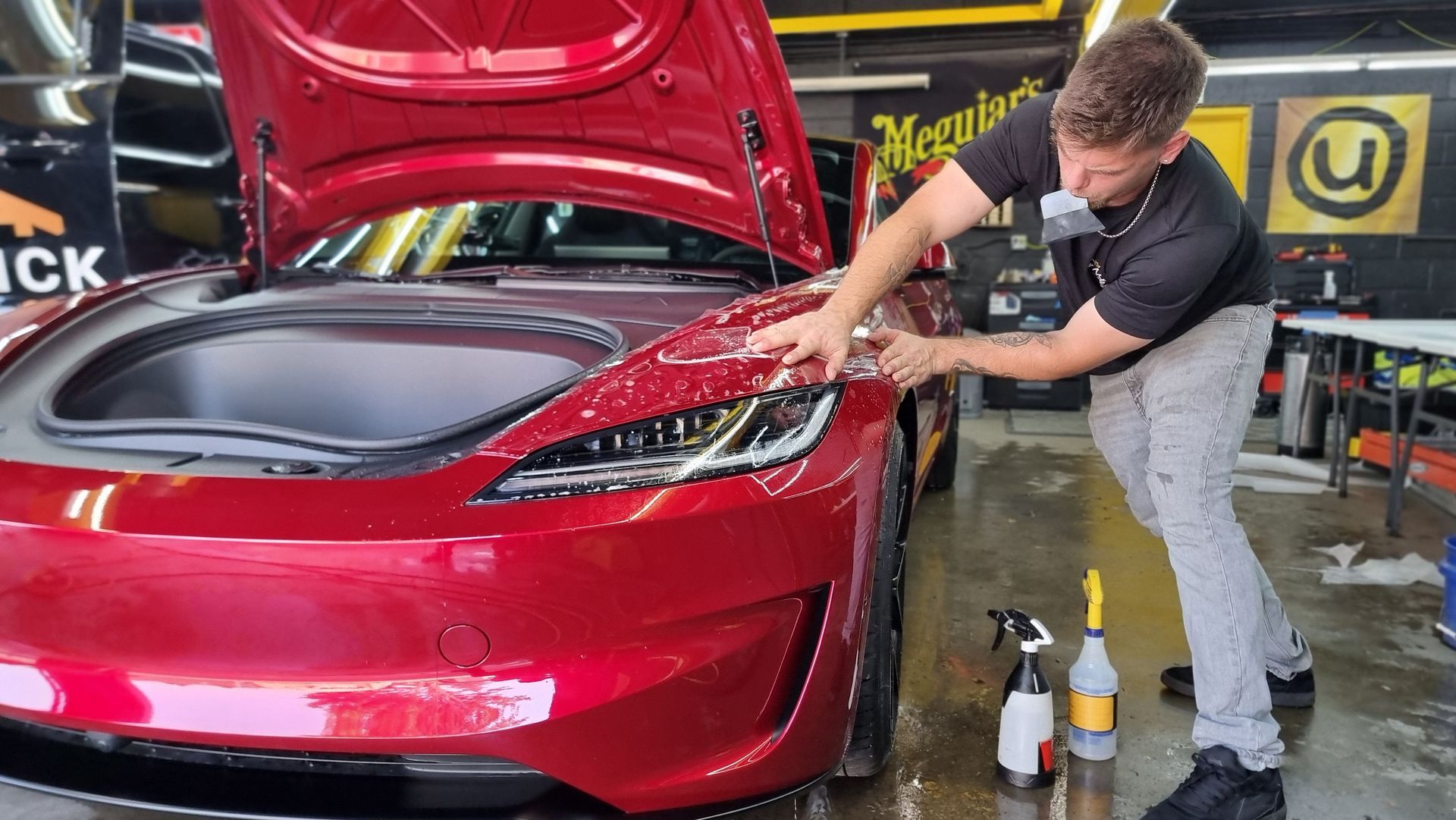
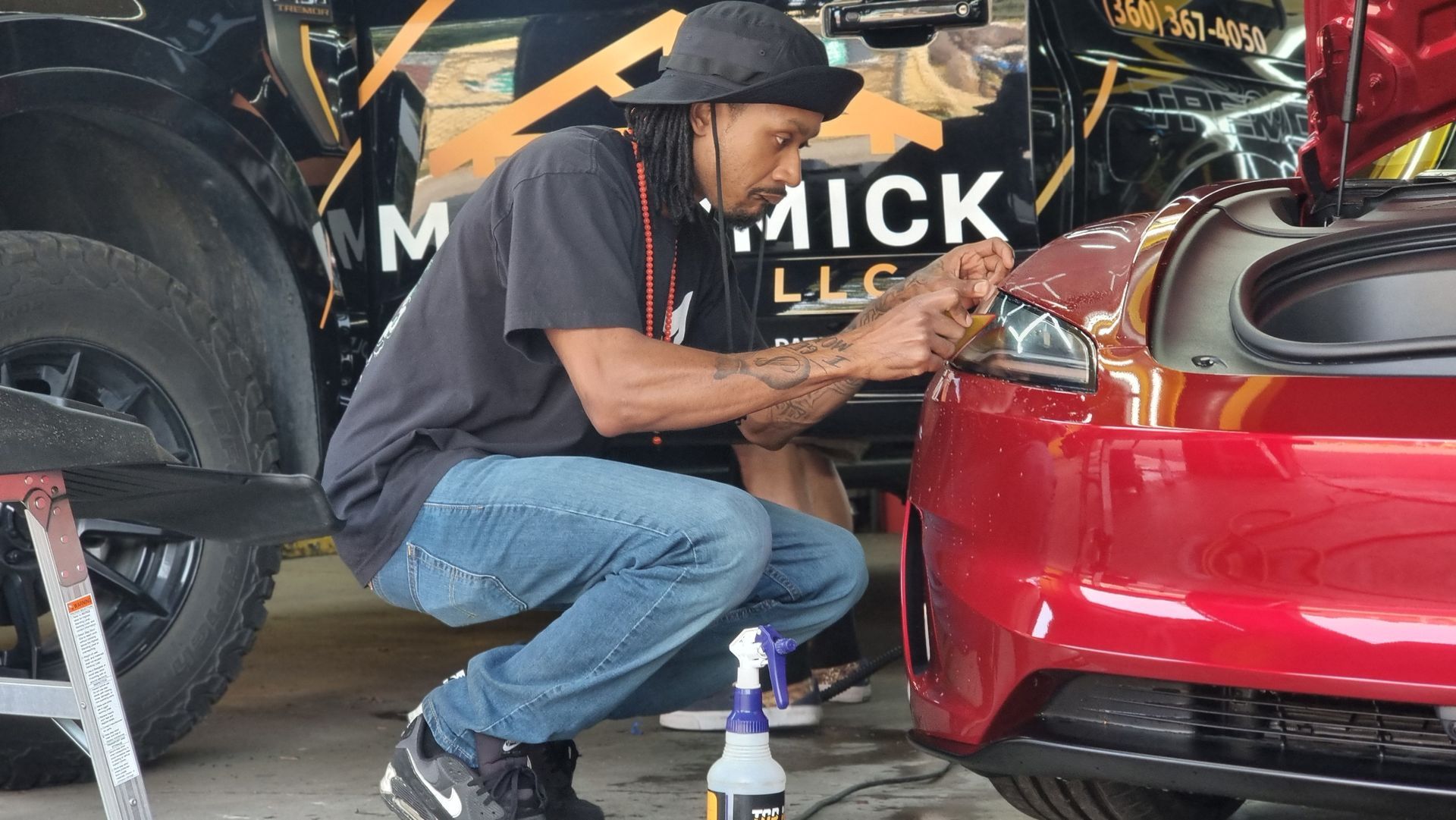
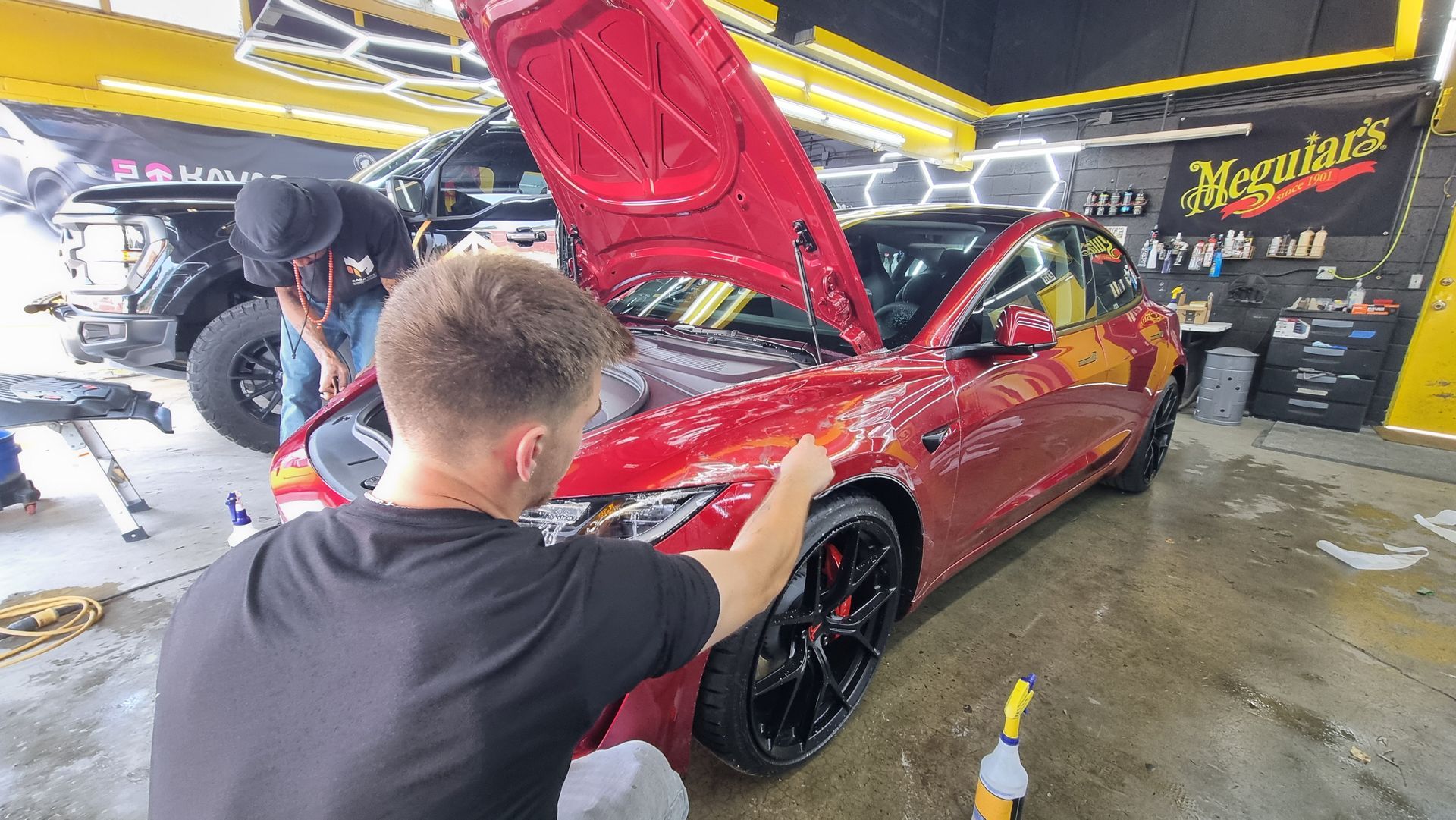
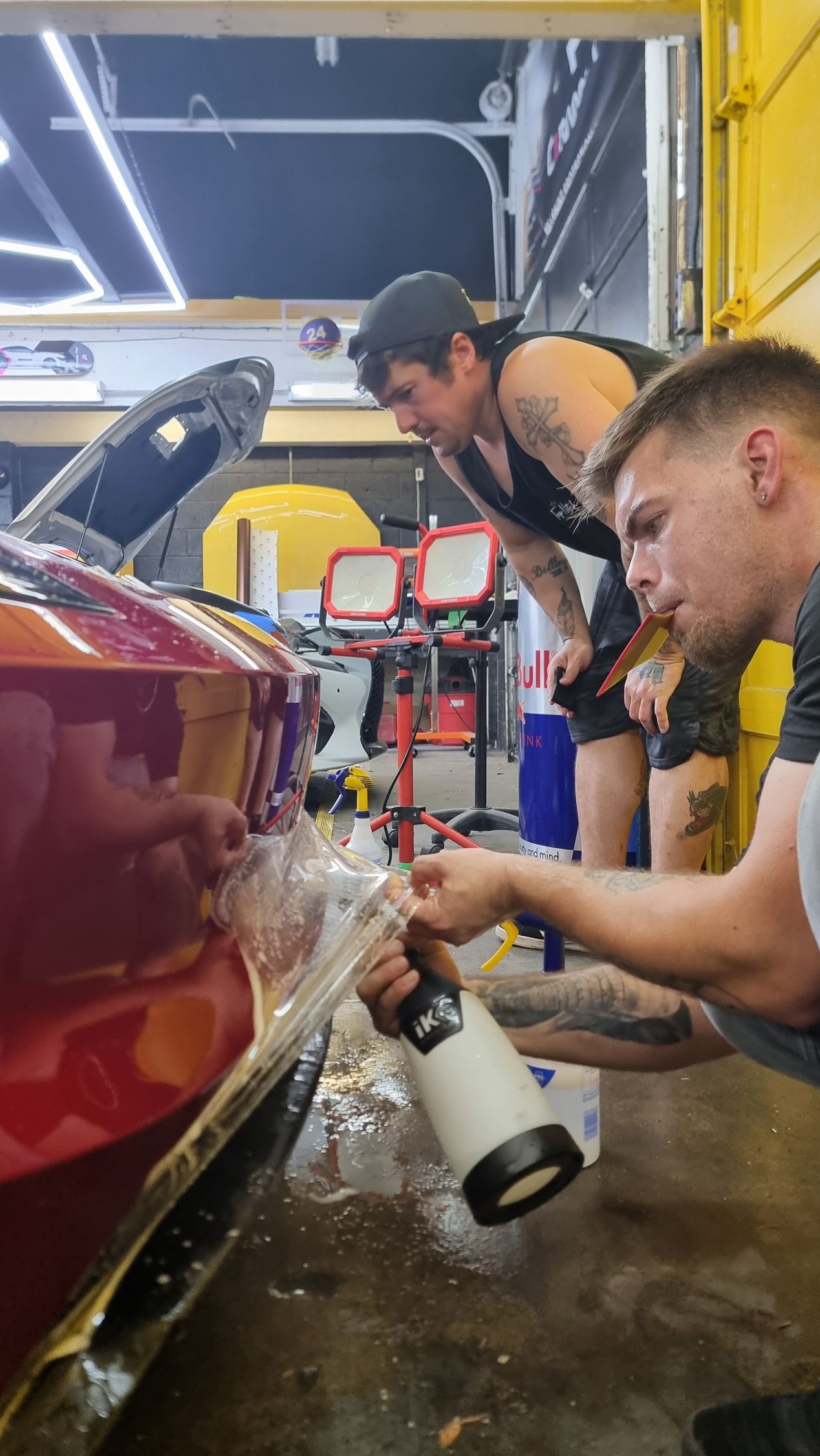
At Top Notch Tint & Detail +, we help new vehicle owners protect their investment from the start. We use STEK paint protection film that repairs minor surface marks on its own, handling the road hazards your new car will encounter.
Our process includes thorough inspection, any necessary surface preparation, and professional installation that maximizes film performance. We work with vehicles fresh from the dealer and understand the specific needs of protecting factory-fresh paint.
Ready to protect your new vehicle before the road takes its toll? Get in touch and let's discuss coverage options that match how you drive and what protection you want.
Frequently Asked Questions
Why install PPF on a car with no existing damage?
Protection works by preventing damage, not hiding it. Installing PPF on undamaged paint means preserving that condition rather than accepting damage first. Factory-fresh paint bonds ideally with film and requires minimal preparation compared to paint that's already accumulated road wear.
Does factory paint need time to cure before PPF installation?
No. Modern factory paint goes through high-temperature baking during manufacturing and arrives fully cured. You can install PPF immediately after purchasing a new vehicle without waiting for the paint to cure further.
How quickly does road damage actually happen?
From the first drive. Highway debris, gravel, bugs, and environmental contaminants begin impacting your paint immediately. One highway trip creates exposure. One construction zone adds risk. Damage accumulates with every mile driven without protection.
Should I still have my new car inspected before PPF installation?
Yes. Dealership handling, transport, and lot storage can introduce minor issues even on new vehicles. A professional inspection under proper lighting catches anything that needs attention before film installation, ensuring the best possible bond and result.