How Window Tint Can Help Protect Your Car's Interior
Your car's interior takes a beating from sunlight. Every time you park outside, UV rays pour through the glass and attack your dashboard, seats, door panels, and trim. Over time, this exposure causes fading, cracking, and deterioration that makes your cabin look worn and tired.
Window tint interior protection addresses this problem at the source. Quality automotive film blocks harmful UV radiation before it reaches your cabin materials, helping preserve the surfaces you touch and see every day. If you've noticed your dashboard fading or your leather seats losing their color, understanding how tint protects interiors might change how you think about your vehicle.
At Top Notch Tint & Detail +, we help drivers throughout Tacoma, Bremerton, and Kitsap County protect their vehicle interiors with professional window tinting. Let's look at how sun damage happens and how window film helps prevent it.
How Sunlight Damages Your Cabin
Understanding window tint interior protection starts with knowing what sunlight does to your interior materials. The damage happens gradually, which is why many drivers don't notice until it's too late.
Sunlight contains ultraviolet radiation that breaks down materials at a molecular level. UV rays degrade plastics, fade dyes, dry out leather, and weaken fabric fibers. This process happens whether you notice it or not, accumulating with every hour of sun exposure.
Your dashboard sits directly in the sun's path. That flat surface collects intense UV exposure through your windshield and side windows. Over extended periods, the dashboard surface becomes brittle, develops cracks, and loses its original color. Dark dashboards turn gray. Light dashboards take on a bleached appearance.
Seats face similar challenges. Leather absorbs UV radiation and gradually dries out, losing its supple feel and developing surface cracks. Fabric upholstery fades unevenly, with areas near windows showing more degradation than shaded spots. The driver's seat often shows the worst wear from consistent sun exposure on that side of the vehicle.
Door panels, center consoles, steering wheels, and trim pieces all suffer from UV exposure. Any surface visible through your windows receives some level of sunlight bombardment throughout your ownership.
UV Blocking: The Core of Interior Protection
Window tint interior protection works primarily through UV blocking. Our TINT X ceramic films stop nearly all ultraviolet radiation before it enters your cabin. This dramatic reduction in UV exposure significantly slows the degradation process affecting your interior materials.
Think about what 99% UV blocking means for your vehicle. Instead of your dashboard receiving full sun exposure every time you park outside, it receives almost none of the damaging UV radiation. The visible light still enters, but the invisible rays that cause material breakdown get stopped at the glass.
This protection happens automatically once your windows are tinted. You don't need to use sunshades every time you park. You don't need to find covered parking constantly. The window tinting itself provides continuous UV defense whenever your vehicle sits in sunlight.
The protection applies to all your cabin materials simultaneously. Dashboard, seats, door panels, carpeting, headliner, and trim all benefit from reduced UV exposure. Every surface that sunlight would normally reach through your windows receives protection.
Protecting Different Interior Materials
Different cabin materials respond to UV exposure in distinct ways. Understanding these differences helps explain why window tint interior protection matters for various vehicle types and interior configurations.
Leather and Vinyl Seats
Leather requires natural oils to stay supple and attractive. UV radiation dries these oils out over extended exposure. The leather becomes stiff, develops surface cracking, and loses its rich color. Window tint helps leather retain its moisture and flexibility by limiting the UV bombardment it receives.
Vinyl faces similar issues. Though more resistant than genuine leather, vinyl still fades and becomes brittle under prolonged sun exposure. Reducing UV contact helps vinyl maintain its appearance and pliability.
Fabric Upholstery
Fabric seats and interior panels contain dyes that UV rays break down over time. The fading happens gradually, often unevenly based on where sunlight hits most directly. Window tint slows this fading process, helping fabric retain its original color across the entire interior.
Plastic Components
Modern vehicle interiors contain extensive plastic trim, dashboard components, and controls. Plastics degrade under UV exposure, becoming discolored, brittle, and prone to cracking. The dashboard receives the most intense exposure and typically shows damage first. Reducing UV penetration helps plastic components maintain their integrity.
Rubber and Silicone
Seals, trim pieces, and various components use rubber or silicone materials. These materials dry out and crack under UV exposure. While often overlooked, protecting these elements helps maintain your vehicle's fit and finish.
Beyond UV: Heat and Interior Comfort
Window tint interior protection extends beyond UV blocking. Quality automotive film also reduces heat entering your cabin, which provides additional benefits for your interior and your comfort.
Hot cabin temperatures accelerate material degradation. Extreme heat dries out leather faster, causes plastics to warp or become sticky, and stresses adhesives holding trim pieces in place. Reducing cabin temperatures through heat-rejecting film helps materials last longer.
Our TINT X ceramic films reject significant heat regardless of their darkness level. This means you can choose a lighter, fully legal tint and still get meaningful heat reduction. Your parked vehicle stays cooler, putting less thermal stress on interior components.
The comfort benefit matters too. Getting into a cooler vehicle feels better. Your air conditioning works more efficiently. You spend less time waiting for the cabin to become comfortable before driving. These practical advantages complement the protective benefits.
Preserving Your Vehicle's Value
The condition of your interior directly impacts your vehicle's resale value. Buyers notice faded dashboards, cracked seats, and worn trim. Window tint interior protection helps maintain the appearance that keeps your vehicle valuable.
A well-preserved interior suggests a well-maintained vehicle overall. Potential buyers see surfaces that look fresh rather than sun-damaged. The visual impression affects their willingness to pay and their confidence in the vehicle's care history.
This preservation happens passively throughout your ownership. You don't need to do anything special. The window film works continuously, reducing UV damage with every sunny day. The cumulative protection adds up significantly over time.
For drivers who keep vehicles for extended periods, this protection becomes increasingly valuable. The longer you own a vehicle, the more sun exposure it accumulates. Window tint helps ensure your interior looks good throughout your ownership rather than declining noticeably.
What Quality Film Provides
Not all window films deliver equal window tint interior protection. Film quality affects UV blocking performance, heat rejection, durability, and long-term effectiveness.
Professional-grade ceramic films like our TINT X products provide superior UV rejection compared to basic dyed films. The ceramic technology blocks UV radiation effectively across different lighting conditions and maintains performance over extended periods.
Cheaper films may claim UV protection but often deliver less blocking capability or lose effectiveness as they age. The film itself can degrade under sun exposure, reducing its protective properties precisely when you need them most.
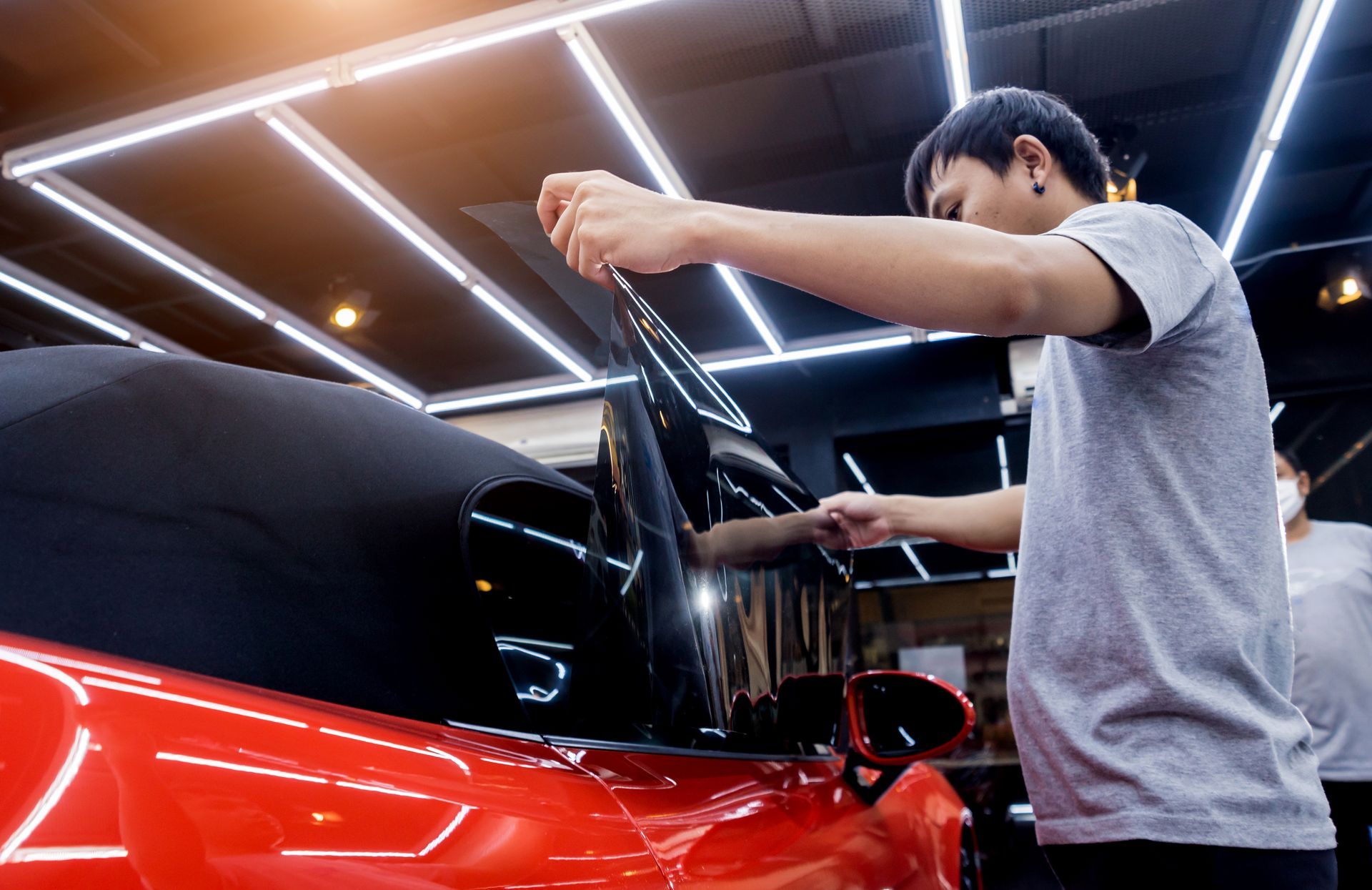
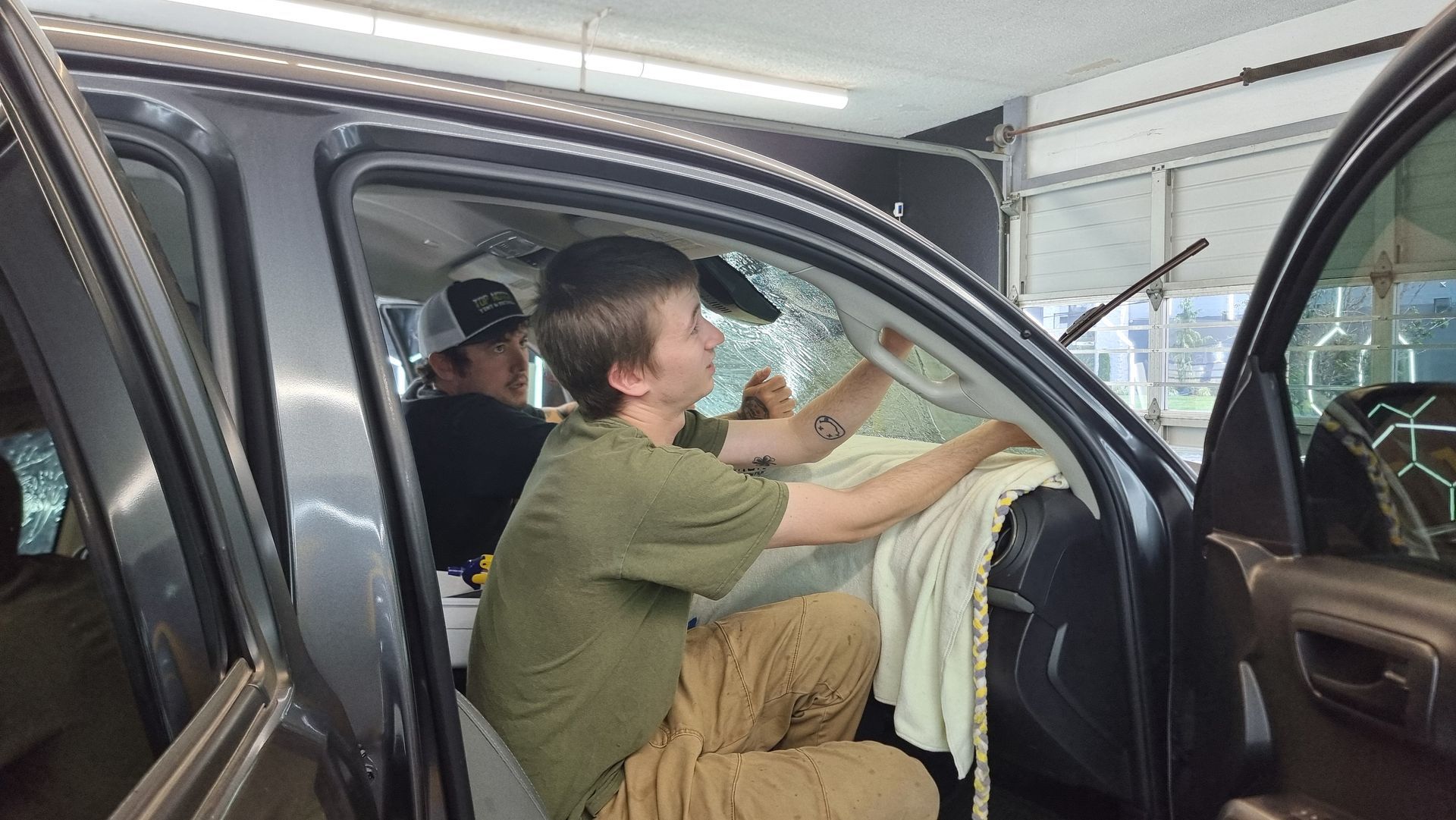
Professional installation ensures the film performs as designed. Proper application eliminates bubbles, gaps, and lifting that would allow UV rays to bypass the protection. Every edge gets sealed correctly, and the film lies flat against the glass for maximum effectiveness.
The Pacific Northwest Factor
Living in the Pacific Northwest doesn't mean your interior is safe from sun damage. Window tint interior protection matters here despite our reputation for cloudy weather.
UV radiation penetrates cloud cover. Those overcast days still deliver UV exposure to your vehicle's interior. The exposure may be less intense than direct sunlight, but it accumulates day after day throughout the year.
When sunny stretches arrive, the exposure intensifies. Summer months bring extended daylight hours and stronger sun angles. Vehicles parked outside during these periods receive substantial UV bombardment that accelerates interior degradation.
The combination of occasional intense sun with year-round diffused UV creates cumulative damage that surprises many Pacific Northwest drivers. Window tint provides protection across all conditions, not just the obviously sunny days.
Getting Professional Protection
If you want to preserve your vehicle's interior, window tint interior protection offers a practical solution that works automatically after installation.
At Top Notch Tint & Detail +, we install quality window tinting that delivers real UV protection for drivers throughout Tacoma and Bremerton. Our TINT X ceramic films provide exceptional UV rejection while also reducing cabin heat for improved comfort.
Ready to protect your interior from sun damage? Get in touch and let's discuss the right window film for your vehicle and how you use it.
Frequently Asked Questions
How does window tint protect my car's interior?
Window tint filters ultraviolet radiation before it enters your cabin. UV rays cause fading, cracking, and deterioration of interior materials, including dashboards, seats, and trim. Quality ceramic films reject nearly all UV radiation, dramatically reducing the sun damage your interior receives.
Will window tint stop my dashboard from cracking?
Window tint reduces UV exposure that contributes to dashboard degradation. While existing damage won't reverse, blocking future UV exposure helps slow additional deterioration. Combined with reduced cabin heat, window tint helps dashboard materials maintain their condition.
Does cloudy weather mean I don't need window tint for interior protection?
UV radiation penetrates cloud cover. Pacific Northwest drivers still receive cumulative UV exposure that damages interiors over the course of ownership. Window tint protects across all conditions, not just sunny days.
Can lighter window tint still protect my interior?
Yes. UV blocking happens independently of how dark the film appears. Quality ceramic films block UV radiation effectively at various VLT (Visible Light Transmission) levels. You can choose a lighter, fully legal tint and still receive meaningful interior protection.