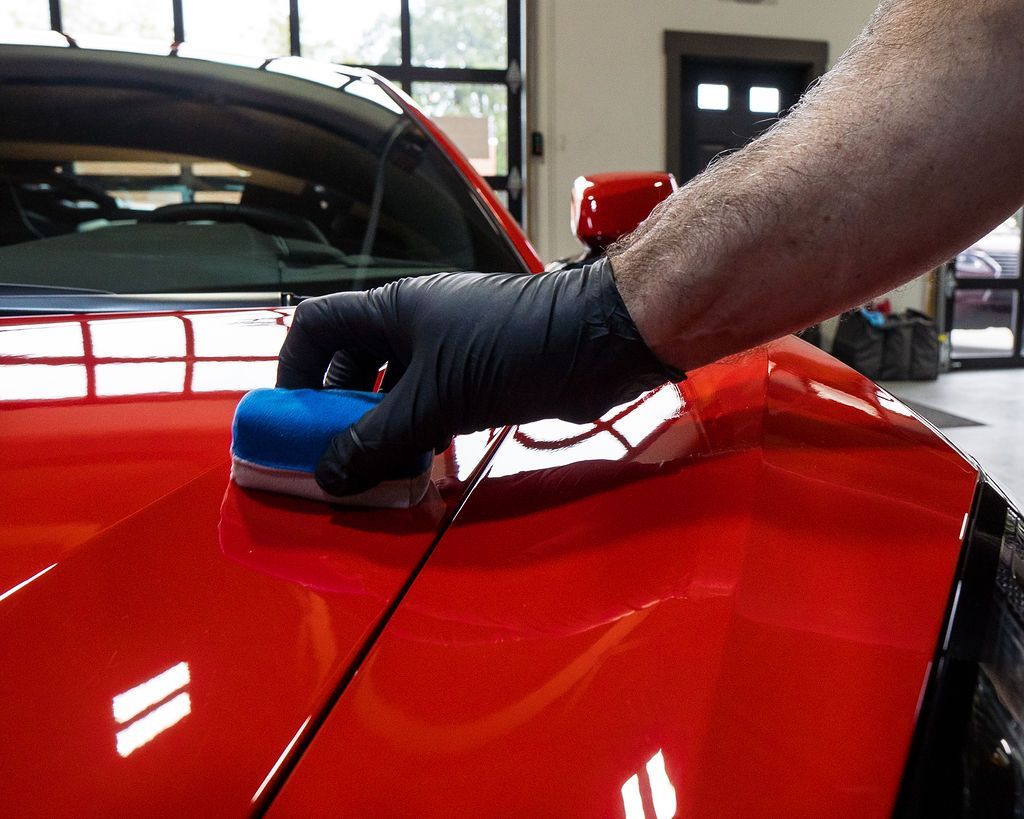
You're thinking about protecting your vehicle with paint protection film. Smart move. But before investing, you want to know what you're getting. How long does PPF last is one of the most common questions we hear, and honestly, there's no single answer that applies to everyone.
PPF longevity depends on multiple factors working together. The film itself matters. How it's installed matters. How you drive, where you park, and how you maintain your vehicle all play roles. Let's break down what actually influences how long your paint protection film performs.
At Top Notch Tint & Detail+, we install professional-grade PPF for drivers throughout the Pacific Northwest. We've seen films hold up beautifully and we've seen films fail prematurely. The difference usually comes down to the factors we're about to cover.
Film Quality Makes a Real Difference
When asking how long does PPF last, start with the film itself. Not all paint protection film is created equal.
Premium films from established manufacturers use advanced urethane formulations designed for durability. The self-healing properties, optical clarity, and resistance to yellowing all depend on material quality. Better materials mean better longevity.
Budget films cut corners somewhere. Maybe the urethane is thinner. Maybe the adhesive layer isn't as stable. Maybe the top coat doesn't resist UV degradation as effectively. These compromises show up over time as premature failure.
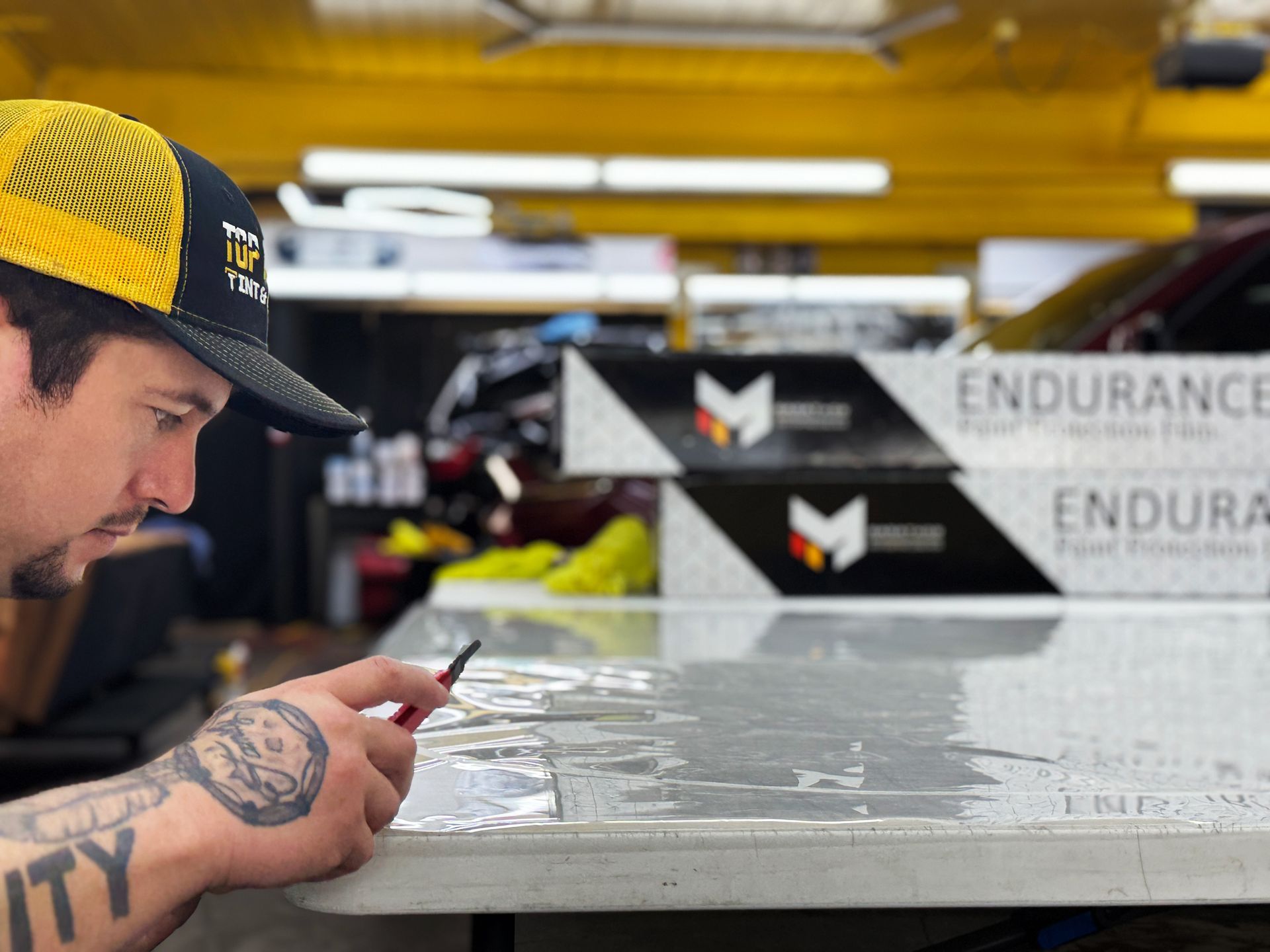
We use STEK paint protection film because the quality is consistent and the performance is proven. The film handles the Pacific Northwest's conditions without the issues that plague lesser products. Quality film forms the foundation of long-lasting protection.
Installation Quality Affects Everything
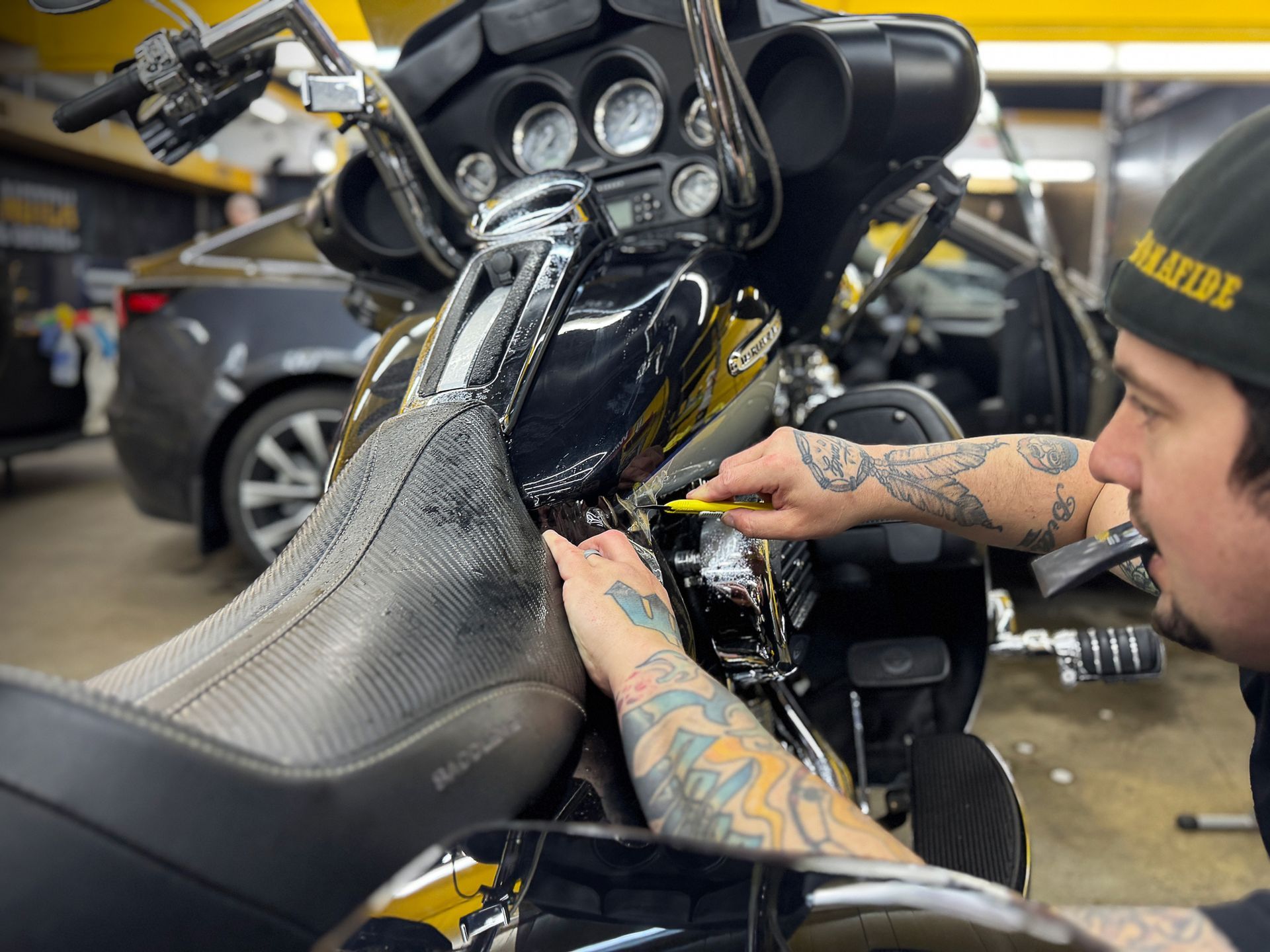
Even the best film won't last if it's installed poorly. Installation quality directly impacts how long does PPF last on your specific vehicle.
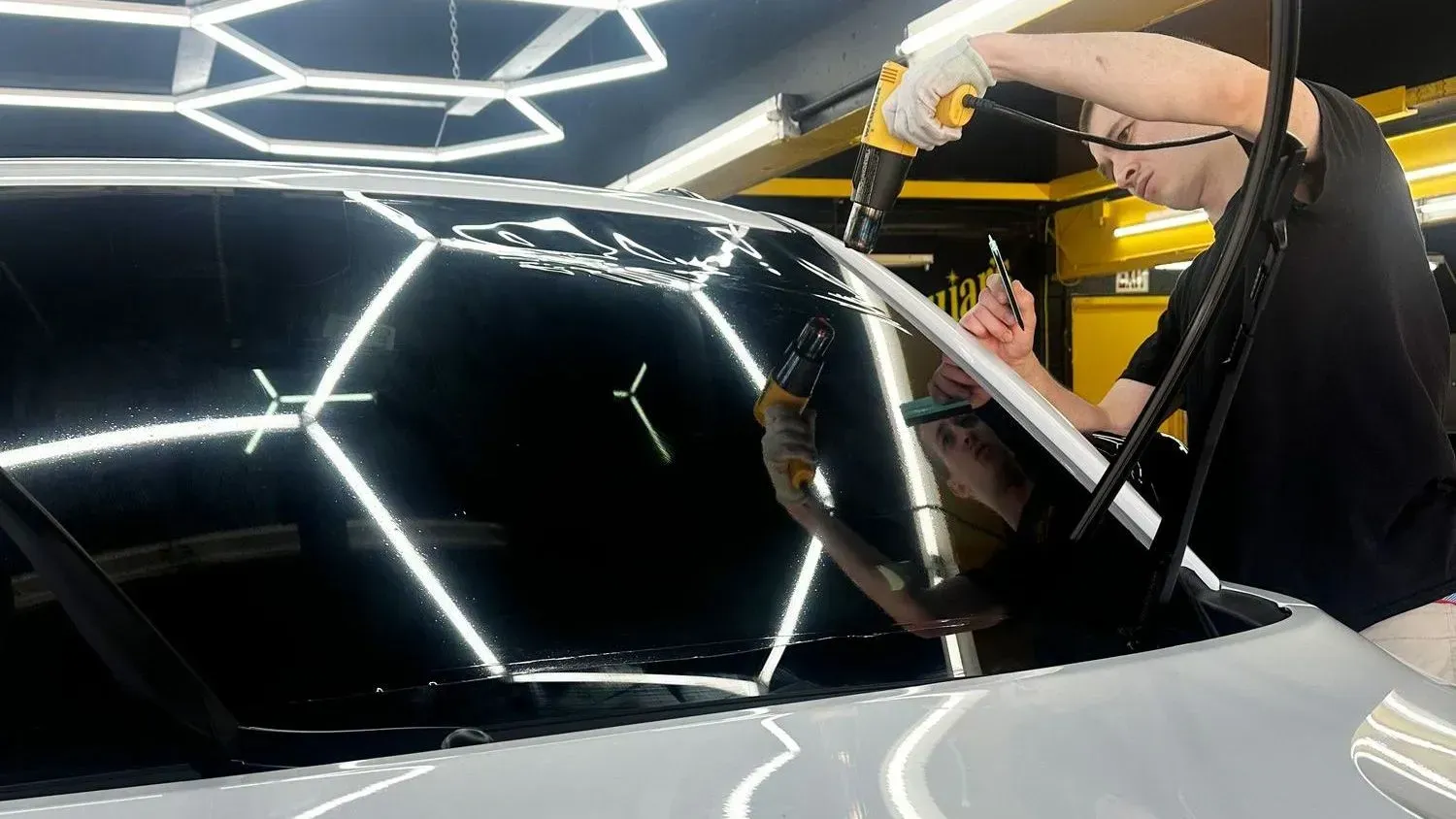
Professional installation involves meticulous surface preparation. Every contaminant gets removed. The paint gets thoroughly cleaned and decontaminated. Any existing damage gets addressed before film goes on. This prep work ensures proper adhesion.
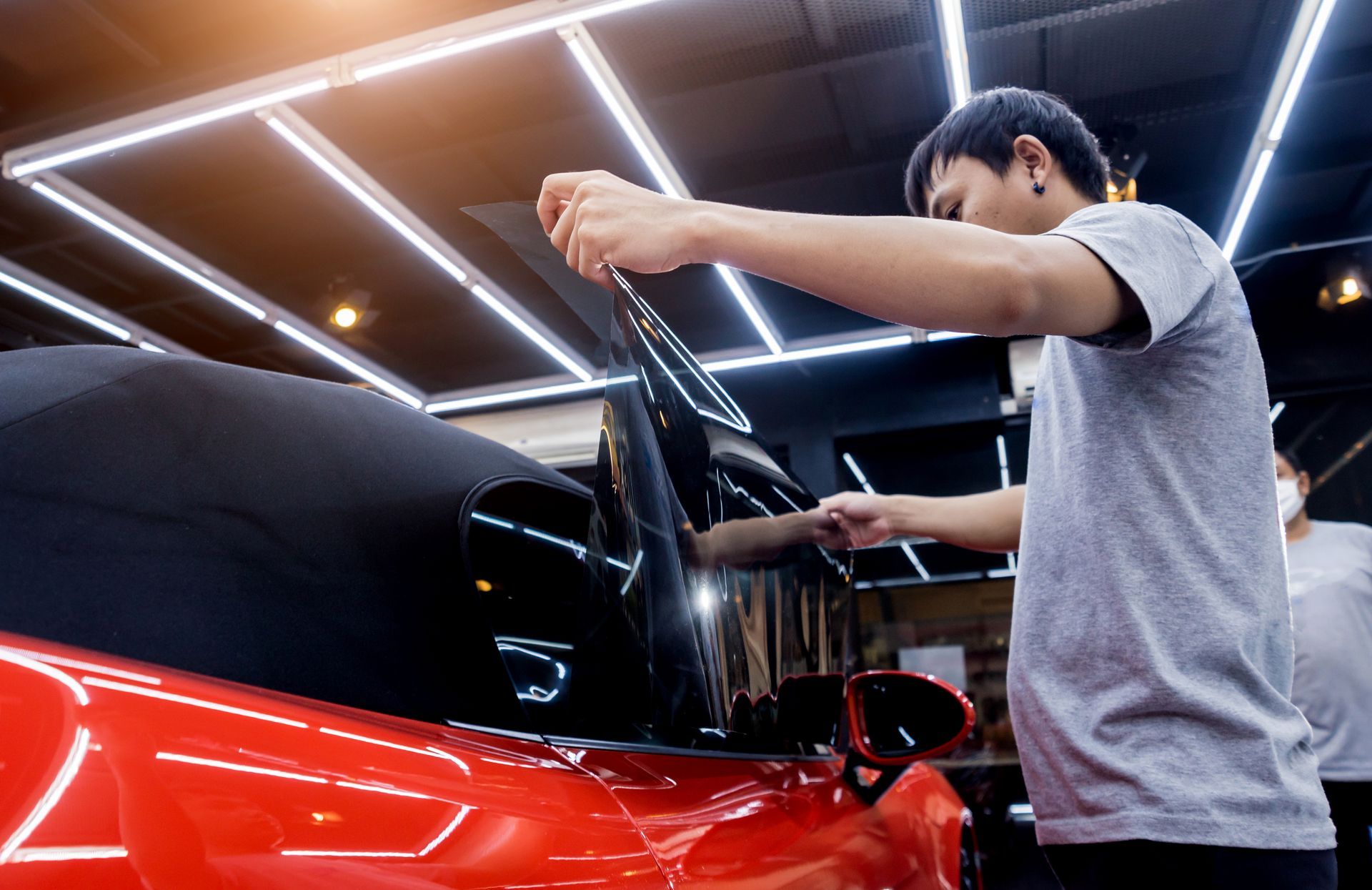
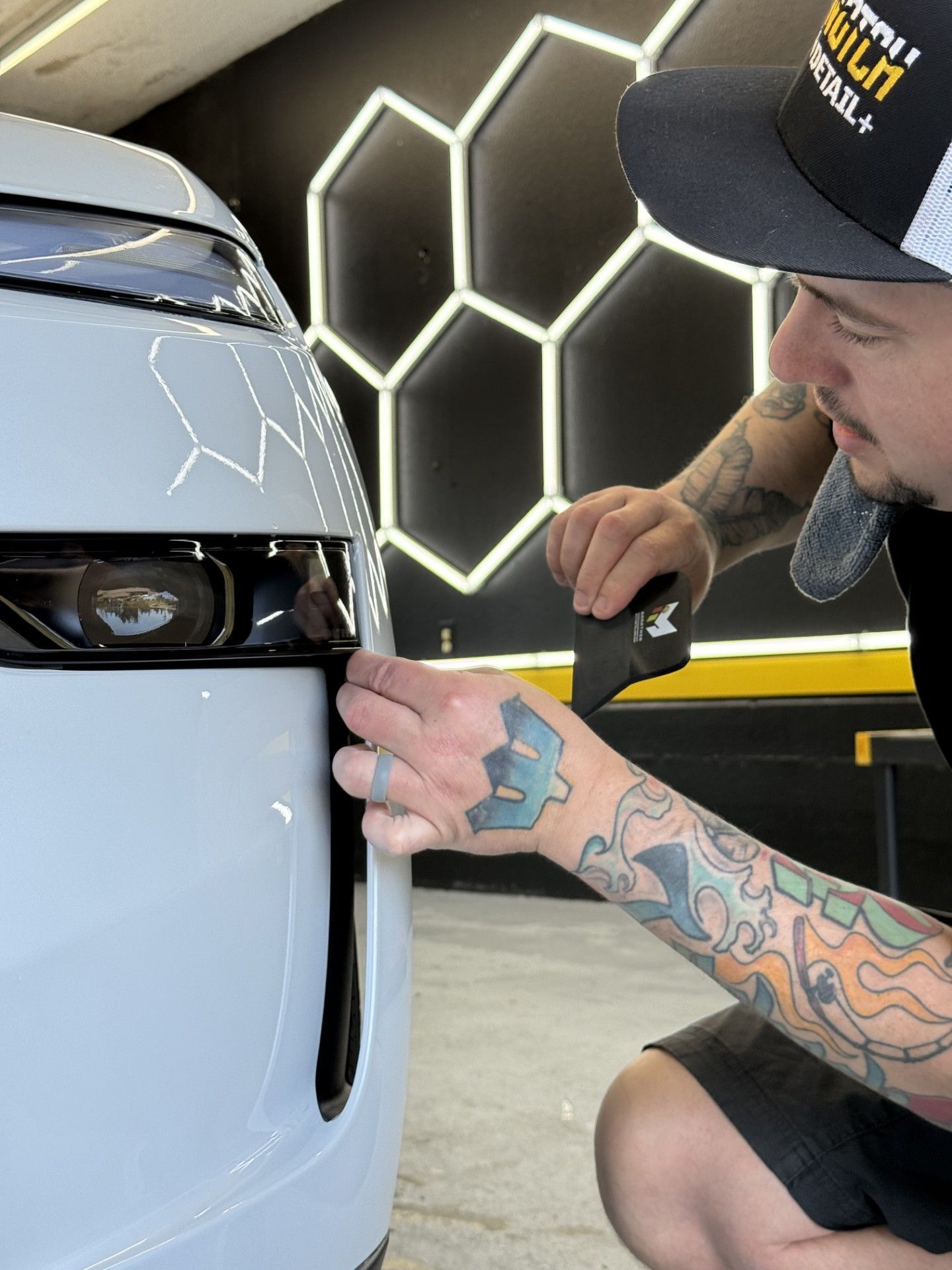
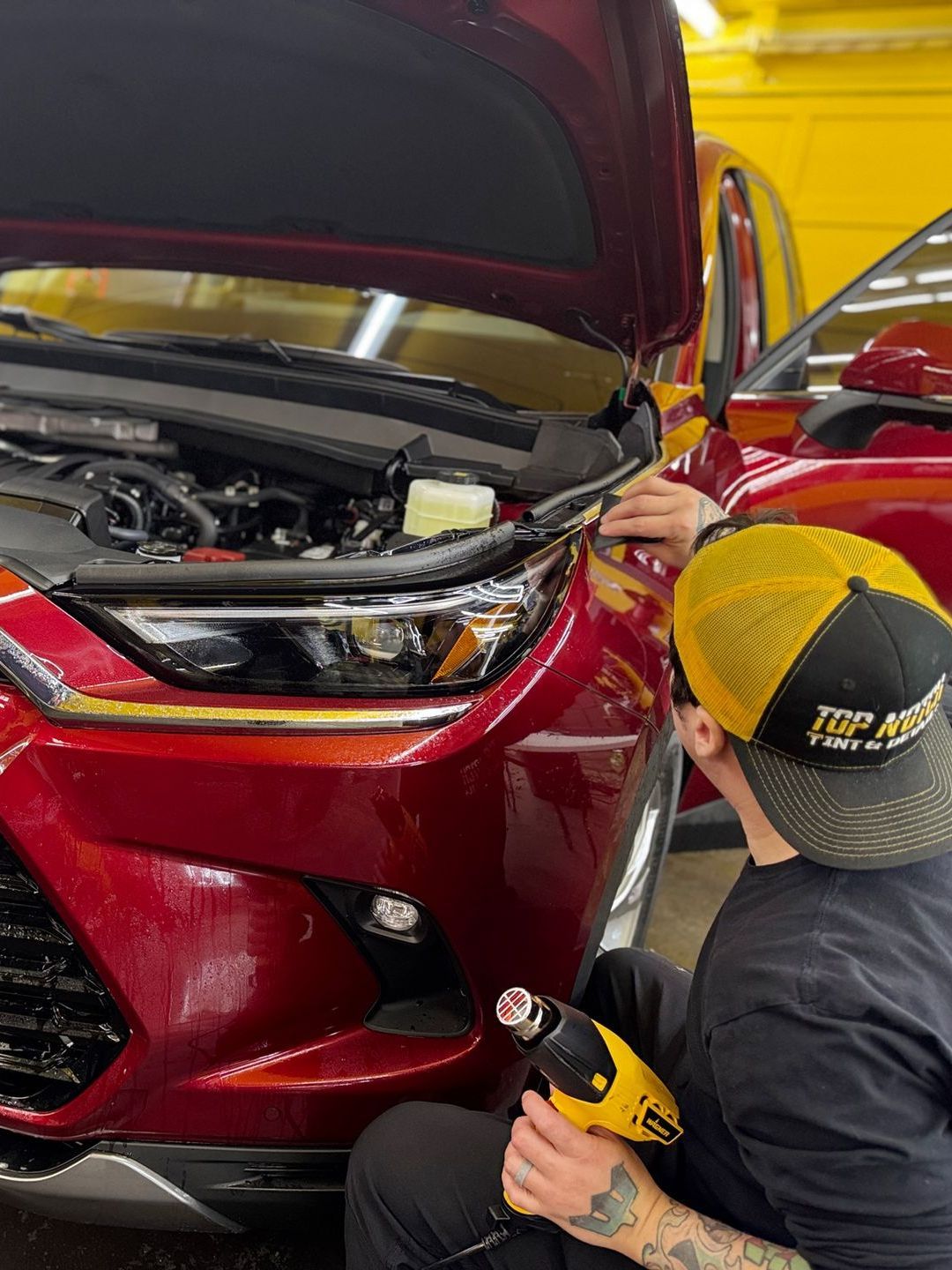
The actual application requires skill and experience. Proper stretching, positioning, and tucking create a bond that holds up over time. Edges get wrapped correctly to prevent lifting. Seams align precisely to minimize weak points.
Poor installation creates problems that compound over time. Air bubbles trapped under the film expand and contract with temperature changes. Edges that aren't properly tucked begin lifting. Contamination under the film causes adhesion failure. These issues accelerate film degradation.
Professional paint protection film installation sets up the film for maximum longevity. The extra care during installation pays off throughout the film's life.
How Your Driving Habits Matter
How long does PPF last depends partly on how much abuse the film takes. Your driving habits directly affect wear.
Highway miles expose your vehicle to constant road debris. Rocks, gravel, sand, and other materials impact the film repeatedly. The film is designed to absorb these impacts, but they accumulate. More highway driving means more impacts over any given time period.
City driving involves different stresses. Stop-and-go traffic, tight parking situations, and lower speeds mean less high-velocity impacts but more opportunities for contact damage. Door dings, shopping cart bumps, and close-quarters maneuvering all affect the film.
Gravel roads and construction zones accelerate wear significantly. The debris from unpaved surfaces is larger and more frequent than normal highway conditions. If you regularly drive on rough roads, your film works harder.
None of this means PPF fails quickly with heavy use. The film is designed for real-world driving. But usage intensity does influence the overall lifespan you can expect.
Weather and Climate Exposure
The Pacific Northwest presents specific challenges when considering how long does PPF last for local drivers.
Rain is constant. Water exposure itself doesn't damage quality PPF, but what's in the rain can affect the film over time. Road grime mixed with rain creates a film of contaminants that sits on surfaces. Regular washing removes this buildup before it causes issues.
Changing seasons mean temperature fluctuations. The film expands and contracts as temperatures rise and fall. Quality film handles this cycling without problems. Lesser films can develop issues at edges and seams from repeated expansion and contraction.
UV exposure during sunny stretches affects all exterior surfaces. Quality PPF includes UV inhibitors that prevent yellowing and degradation from sun exposure. This protection maintains both appearance and performance despite UV bombardment.
Salt air near coastal areas creates additional exposure considerations. The corrosive nature of salt can affect adhesives and film edges over time. Regular cleaning becomes even more important in coastal environments.
Winter conditions bring road salt and de-icing chemicals. These substances are hard on vehicle finishes in general. PPF protects your paint from direct chemical contact, but the film itself gets exposed. Washing away road salt regularly prevents accumulation.
Where You Park Matters
Storage conditions influence how long does PPF last more than many owners realize.
Garage parking provides protection from environmental exposure when your vehicle isn't in use. Less sun exposure, less rain sitting on surfaces, less temperature cycling. Covered storage generally extends the effective life of exterior protection.
Outdoor parking means constant exposure. UV rays hit the film all day during sunny periods. Rain, bird droppings, tree sap, and other contaminants land on surfaces between drives. The film handles all of this, but exposure hours add up.
Street parking in urban areas adds contamination exposure. Vehicle exhaust, industrial fallout, and general urban grime settle on surfaces. These contaminants can affect film over time if not washed away regularly.
You don't need a garage for PPF to last well. Plenty of vehicles with outdoor parking have film that performs for extended periods. But storage conditions do factor into the longevity equation.
Maintenance Makes the Difference
How you care for your PPF significantly impacts how long does PPF last on your vehicle.
Regular washing removes contaminants before they bond to the film surface. Bird droppings, bug splatter, tree sap, and road grime should come off promptly. The longer contaminants sit, the harder they become to remove and the more likely they are to cause issues.
Proper washing technique matters. Touchless or hand washing with appropriate products protects the film. Harsh chemicals, abrasive brushes, and high-pressure washing directly on film edges can cause problems over time.
Avoid letting your vehicle get extremely dirty for extended periods. The contaminant buildup from weeks of neglect is harder on film than regular light cleaning. Consistent maintenance outperforms occasional deep cleaning.
Adding ceramic coating over PPF can enhance maintenance ease. The hydrophobic properties help contaminants sheet off rather than bonding to the film surface. This combination approach supports film longevity through easier upkeep.
Signs Your PPF Needs Attention
Knowing how long does PPF last also means recognizing when film needs professional evaluation.
Yellowing or Discoloration: Quality film should maintain clarity over time. If your film develops a yellow tint or hazy appearance, something's wrong. This could indicate UV degradation, adhesive issues, or simply aging beyond the film's effective life.
Edge Lifting: When edges begin pulling away from the paint, moisture and contaminants can get underneath. Small edge lifts can sometimes be repaired. Significant lifting may require panel replacement.
Bubbling or Blistering: Bubbles that develop over time indicate adhesion failure. Air or moisture trapped under the film expands and creates visible bubbles. This typically requires professional attention.
Loss of Self-Healing: Quality PPF includes self-healing properties for minor surface marks. If your film stops healing when exposed to heat, the urethane may be degrading. This suggests the film is aging.
Significant Surface Damage: Rock chips and impacts that penetrate through the film have done their job by protecting your paint. But heavily damaged sections may benefit from replacement to maintain appearance and continued protection.
Peeling at Seams: Where film pieces meet, proper installation creates invisible seams. If seams begin separating or peeling, the film may need attention.
If you notice any of these signs, professional evaluation helps determine whether repair or replacement makes sense. Catching issues early often allows for simpler solutions.
Getting Maximum Life From Your PPF
Understanding how long does PPF last helps set expectations, but actions determine outcomes.
Start with quality film professionally installed. This foundation matters more than anything else. Cutting corners on film quality or installation skill undermines everything that follows.
Maintain your vehicle consistently. Regular washing, prompt contaminant removal, and appropriate cleaning products all support film longevity. Maintenance doesn't need to be obsessive, just consistent.
Address issues early. Small edge lifts, minor damage, and developing problems are easier to handle before they spread. Professional evaluation when you notice changes prevents small issues from becoming big problems.
At Top Notch Tint & Detail+, we help drivers throughout the Pacific Northwest protect their vehicles with quality paint protection film. We use proven products, proper installation techniques, and we're here when you need evaluation or service down the road.
Ready to protect your vehicle? Get in touch and let's discuss the right PPF solution for your needs.
Frequently Asked Questions
What factors most affect PPF longevity?
How long does PPF last depends primarily on film quality, installation quality, driving conditions, weather exposure, and maintenance habits. Quality film professionally installed and properly maintained will outlast budget film with poor installation and neglected care. All these factors work together.
Does PPF need special maintenance to last?
Regular washing with appropriate products is the main requirement. Remove bird droppings, bug splatter, tree sap, and road grime promptly. Avoid harsh chemicals and abrasive cleaning methods. Consistent basic maintenance supports maximum film longevity without requiring obsessive care.
How do I know when my PPF needs replacement?
Watch for yellowing, edge lifting, bubbling, loss of self-healing properties, or significant surface damage. These signs indicate the film may need professional evaluation. Catching issues early often allows for repair rather than full replacement.
Does garage parking make PPF last longer?
Covered parking reduces UV exposure, weather cycling, and environmental contamination between drives. This generally supports longer film life compared to constant outdoor exposure. However, quality PPF performs well with outdoor parking too when properly maintained.