How Window Tint Helps Reduce Glare During Driving
Driving into the sun is miserable. You know the feeling. That blinding light that makes you squint, reach for sunglasses, flip down the visor, and still struggle to see the road ahead. Glare turns routine drives into uncomfortable experiences and can actually make driving less safe.
Window tint glare reduction addresses this problem directly. Quality window film filters harsh light before it reaches your eyes, making drives more comfortable without sacrificing the visibility you need. If glare bothers you during your daily commute or weekend trips, understanding how window tint helps might change how you think about your vehicle.
At Top Notch Tint & Detail +, we help drivers throughout Tacoma, Bremerton, and the Kitsap County region deal with glare through professional window tinting. Let's look at why glare happens, how tint reduces it, and what to consider when choosing the right film.
Why Glare Makes Driving Uncomfortable
Before talking about window tint glare reduction solutions, it helps to understand what causes glare in the first place.
Glare happens when intense light enters your field of vision and overwhelms your eyes. Your pupils can only adjust so much. When brightness exceeds what your eyes can comfortably handle, you squint, strain, and lose visual clarity. Everything becomes washed out.
Several driving situations create serious glare problems:
Low-Angle Sun: Early morning and late afternoon drives put the sun directly in your line of sight. The visor only blocks so much. That low sun angle creates intense, direct glare that's hard to escape.
Reflections Off Other Vehicles: Chrome bumpers, mirrors, and glass on surrounding vehicles bounce sunlight directly at you. Traffic congestion makes this worse as reflective surfaces surround you.
Wet Road Reflections: After rain, road surfaces become mirrors. Sunlight bouncing off wet pavement creates blinding glare from below, which visors and sunglasses can't fully address.
Snow and Ice Reflections: Winter driving adds another reflective surface. Snow-covered landscapes and icy roads bounce light from every direction.
Dashboard Reflections: Your own dashboard can create internal glare as light bounces off surfaces and reflects in your windshield.
All of these situations strain your eyes and reduce driving comfort. Some of them genuinely affect safety by reducing visibility when you need it most.
How Window Film Reduces Glare
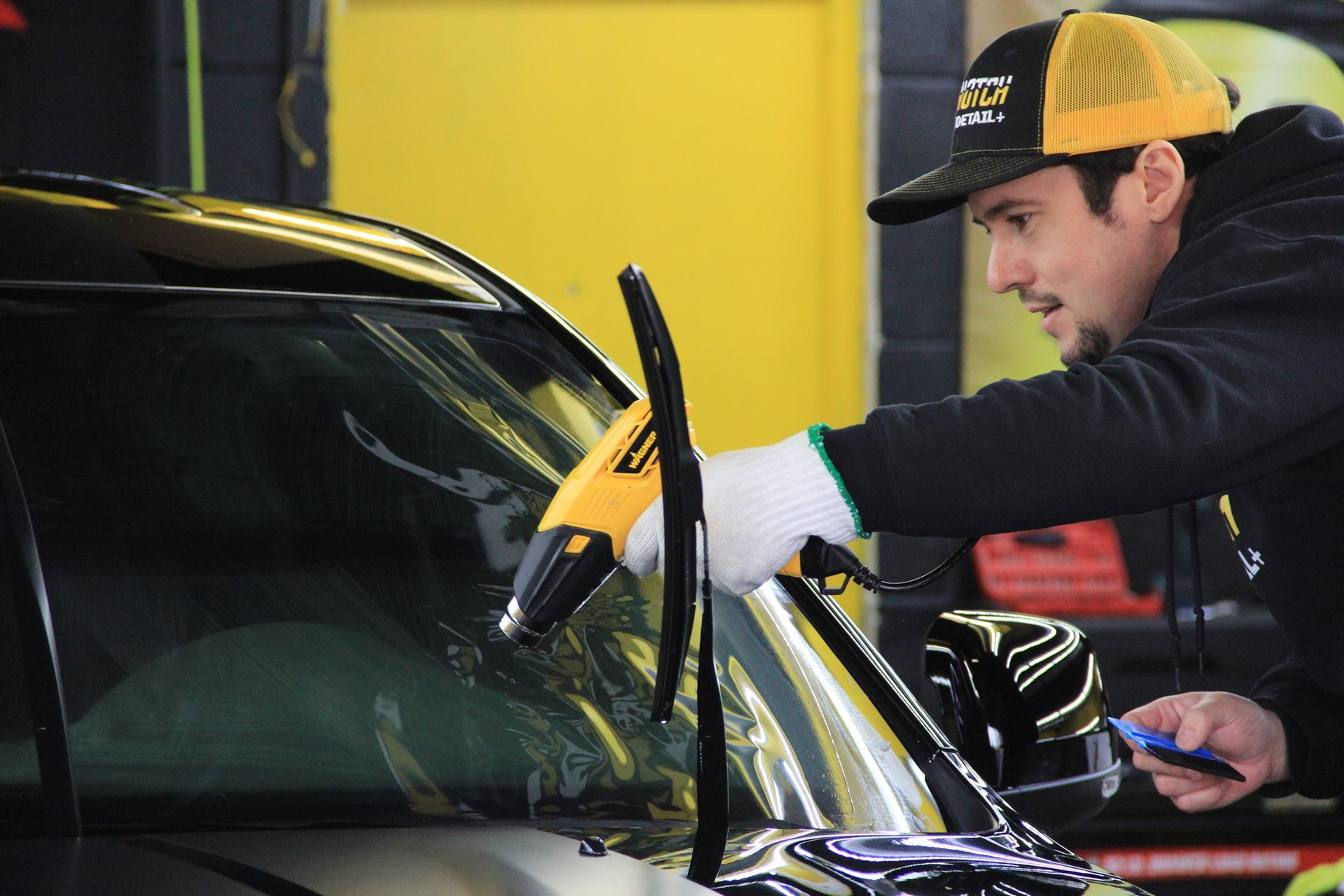
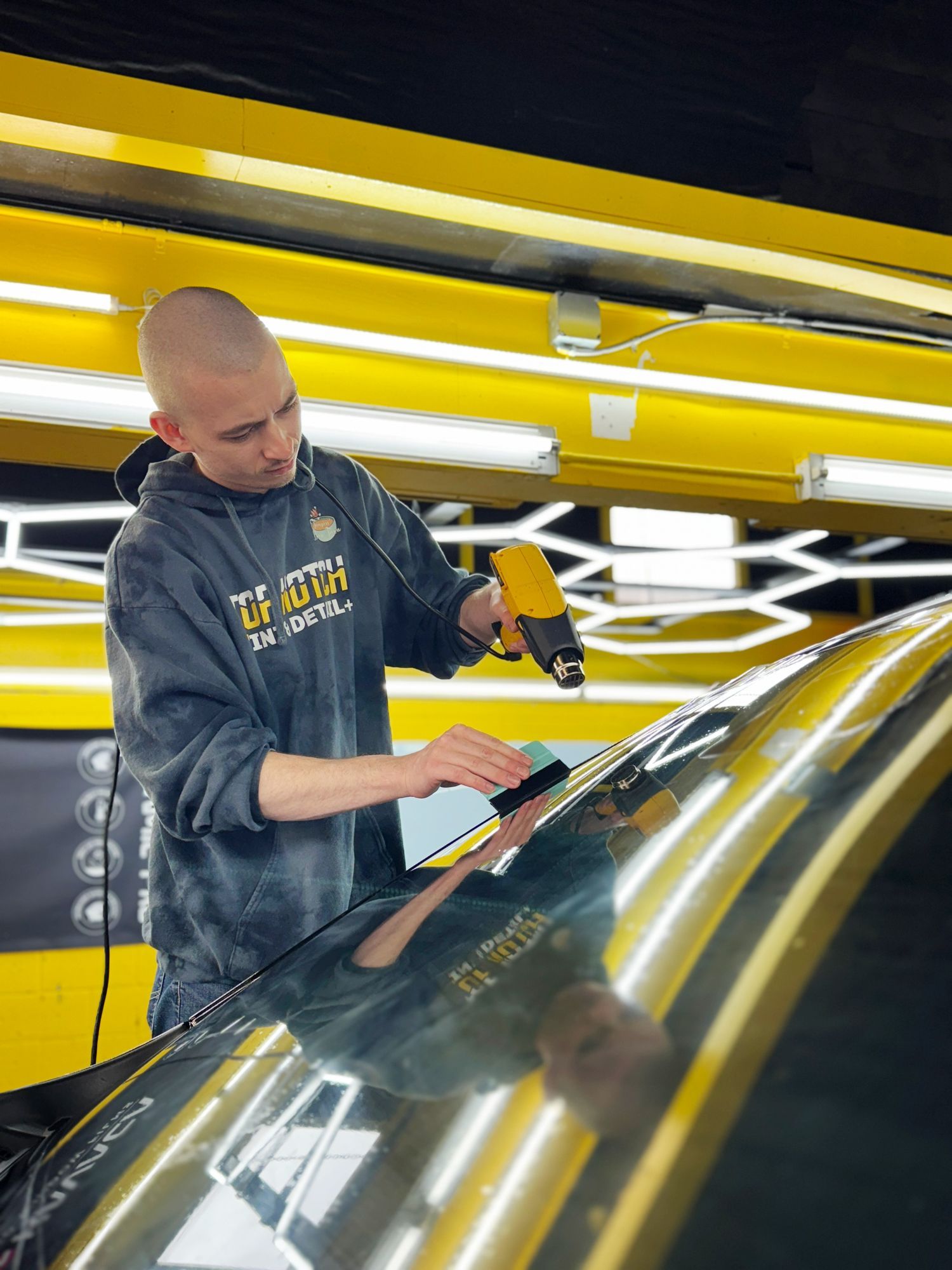
Window tint glare reduction works by filtering light before it enters your vehicle cabin. The film absorbs or reflects a portion of incoming visible light, reducing the intensity that reaches your eyes.
Think of it like wearing sunglasses, but for your entire vehicle. The tinted windows create a buffer between harsh exterior light and your interior space. The light that does enter arrives at reduced intensity, eliminating that overwhelming brightness.
Quality window film achieves this without making your interior too dark to see properly. The goal isn't blocking all light. It's reducing intensity to comfortable levels while maintaining clear visibility of the road, other vehicles, and your surroundings.
Our TINT X ceramic films handle glare effectively across different lighting conditions. The ceramic technology filters harsh light while preserving optical clarity. You see clearly, just without the painful brightness that makes driving uncomfortable.
The effect is noticeable immediately. That first drive after professional window tinting installation usually surprises people. The difference in comfort during bright conditions is significant.
Dealing With Changing Daylight Conditions
The sun doesn't stay in one place. Throughout the day, light angles shift and glare patterns change. Window tint glare reduction helps across these changing conditions.
Morning commutes often put the sun directly in your face as you head east. The low angle makes visors nearly useless for blocking that direct light. Tinted windows reduce the intensity of that low-angle sun, making morning drives more manageable.
Afternoon drives westbound face the same issue. That setting sun sits right at eye level during rush hour. Window tint softens the harshness so you're not white-knuckling the steering wheel while squinting into blinding light.
Midday driving brings different challenges. The sun sits higher, creating less direct glare but more reflection off surrounding surfaces. Tinted windows help here too by reducing the overall brightness entering your cabin.
Overcast days might seem glare-free, but diffused light still creates brightness that tires your eyes over time. Even on cloudy days, window tint reduces eye strain by softening that ambient brightness.
The Pacific Northwest gives us plenty of weather variation. Sunny stretches, overcast periods, rain, and everything in between. Window tint provides consistent glare reduction regardless of what the sky is doing on any particular day.
Wet Roads and Reflection Glare
Here's something many drivers don't consider until they experience it. Window tint glare reduction helps significantly with wet road reflections.
After rain, road surfaces become incredibly reflective. Sunlight bouncing off wet pavement creates glare from below, which is harder to block than direct overhead sun. Your visor does nothing against reflections coming from road level.
This situation happens constantly in the Pacific Northwest. Rain is frequent, and the periods when sun breaks through while roads are still wet create intense reflection glare. Drivers deal with this regularly during those transitional weather moments.
Window tint reduces the intensity of these reflections just like it reduces direct sunlight. The film doesn't care where the light is coming from. It filters brightness entering through your windows regardless of the source.
Puddles, wet leaves, and standing water in parking lots all create reflection surfaces that window tint helps manage. The cumulative effect makes driving after rain significantly more comfortable.
Maintaining Visibility While Reducing Glare
Some people worry that window tint glare reduction comes at the cost of visibility. Won't darker windows make it harder to see, especially at night?
This concern makes sense, but the reality is more nuanced. Professional window tinting involves selecting the right film for your needs, not just applying the darkest option available.
Lighter tint levels reduce glare effectively while maintaining excellent visibility in all conditions. You don't need extremely dark windows to get meaningful glare reduction. Even moderate tint significantly decreases harsh light intensity.
The key is matching film selection to your actual driving patterns and priorities. Someone who drives primarily during daylight might choose differently than someone who frequently drives at night. Someone focused mainly on glare reduction might prioritize differently than someone wanting maximum privacy.
Professional installers help you navigate these choices. At Top Notch Tint & Detail +, we discuss how you use your vehicle and what you're trying to accomplish before recommending specific films. The goal is finding the right balance for your situation.
Staying Within Legal Limits
Window tint glare reduction benefits are real, but film selection must account for local regulations. Every state sets limits on how dark you can tint different windows, and these limits exist for safety reasons.
Washington state, like most states, has specific rules about window tint. Front side windows have stricter requirements than rear windows. The front windshield has the most restrictive rules, typically allowing only a light strip at the top.
The good news? You can achieve meaningful glare reduction while staying completely legal. You don't need to push against legal limits to get comfortable driving conditions. Moderate tint within legal parameters makes a noticeable difference.
Our TINT X ceramic films deliver excellent glare reduction at various VLT (Visible Light Transmission) percentages. This means you can choose a legal tint level and still get the glare reduction benefits you want. The ceramic technology works effectively regardless of how dark or light the film appears.
Professional installation ensures your tint stays compliant. We know local regulations and make sure every installation meets legal requirements. You get glare reduction without worrying about tickets or failed inspections.
Professional Film Selection Matters
Getting effective window tint glare reduction requires more than just applying any film to your windows. Film quality and proper selection make real differences in results.
Cheap films may darken your windows but often create optical distortion, haziness, or uneven light filtering. These issues can actually make visibility worse rather than better. Quality films maintain optical clarity while reducing glare.
Ceramic films like our TINT X products outperform basic dyed films for glare reduction. The ceramic particles filter light more effectively without the degradation issues that affect lesser films over time.
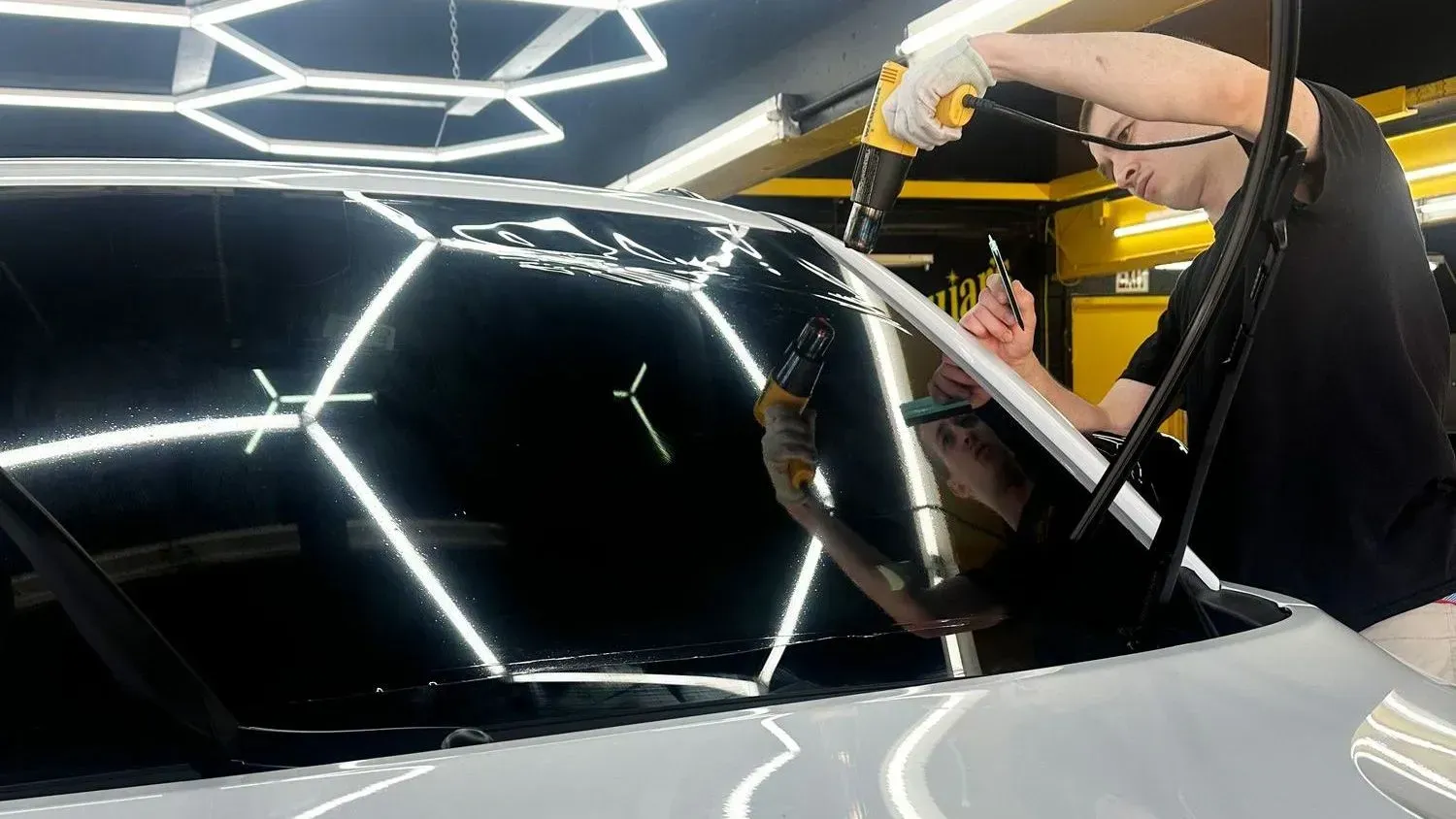
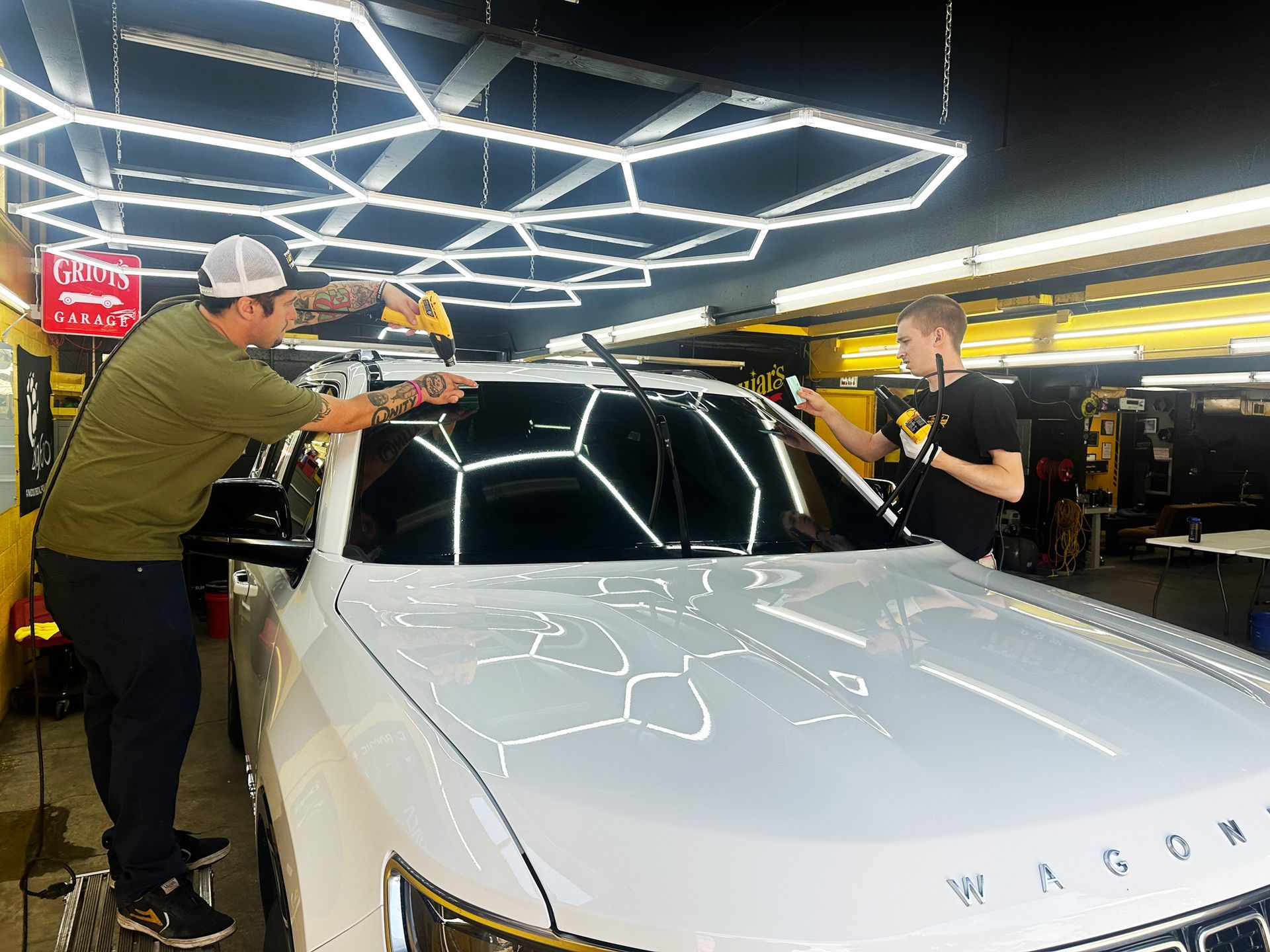
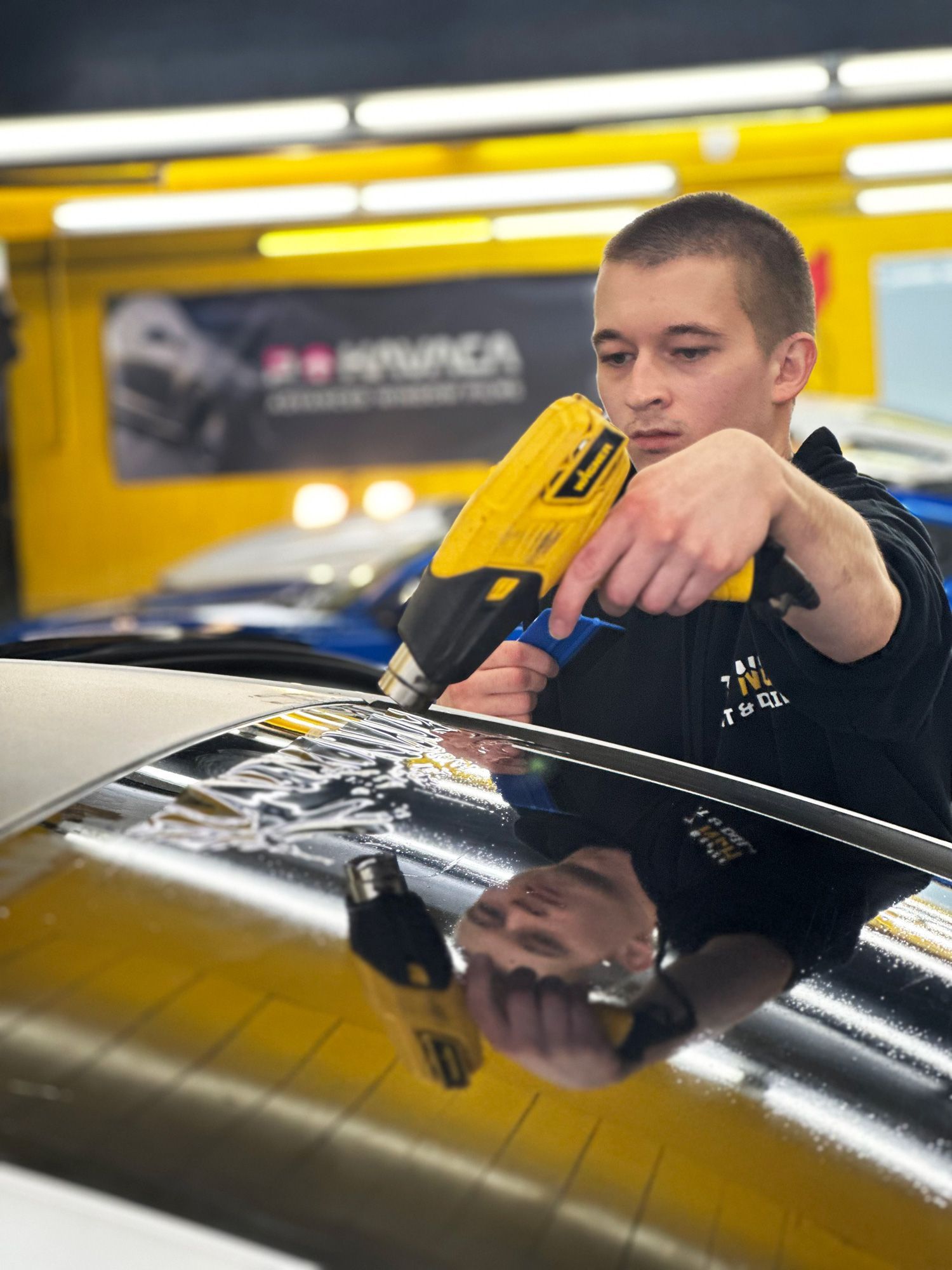
Professional installation ensures the film performs as designed. Proper application eliminates bubbles, creases, and imperfections that could affect visibility or appearance. The film lays flat, looks clean, and does its job properly.
Experience the Difference
If glare makes your daily drives uncomfortable, window tint glare reduction offers a real solution. Professional window film reduces harsh light, softens reflections, and makes driving more pleasant across changing conditions.
At Top Notch Tint & Detail +, we help drivers throughout Tacoma and Bremerton deal with glare through quality window tinting. We use premium TINT X ceramic films, ensure legal compliance, and focus on matching film selection to your actual needs.
Ready to make driving more comfortable? Get in touch and let's discuss the right window tint solution for your vehicle.
FAQ: Window Tint Glare Reduction
How does window tint reduce glare while driving?
Window tint filters incoming light before it reaches your eyes. The film absorbs or reflects a portion of visible light, reducing intensity to comfortable levels. This works like wearing sunglasses for your entire vehicle, softening harsh brightness without eliminating necessary visibility.
Do I need very dark tint to reduce glare?
No. Even moderate tint levels provide meaningful glare reduction. Ceramic films work effectively at various darkness levels, so you can choose a lighter, fully legal tint and still experience significant improvement. Extremely dark tint isn't necessary for comfortable driving conditions.
Will window tint affect my visibility at night?
Film selection matters here. Lighter tint levels maintain excellent visibility in low-light conditions while still reducing daytime glare. Professional installers help you choose film that balances glare reduction with visibility needs based on your actual driving patterns.
Does window tint help with wet road reflections?
Yes. Window tint reduces the intensity of light entering your vehicle regardless of source. Reflections bouncing off wet pavement, puddles, or other vehicles all get filtered by the film. This makes driving after rain significantly more comfortable.