Ceramic Window Tint vs. Dyed Tint: What's the Difference?
Shopping for window tint and getting confused by all the options? You're not alone. Walk into any tint shop, and you'll hear terms like ceramic, dyed, metallic, carbon, and hybrid thrown around. It gets overwhelming fast.
The most common comparison buyers face is ceramic window tint vs dyed tint. These two options sit at different ends of the performance spectrum, and understanding the differences helps you make a smarter choice. Spoiler alert: the darkest film isn't automatically the best performing one.
At Top Notch Tint & Detail +, we install window tint for drivers throughout Tacoma, Bremerton, and the surrounding Kitsap County area. We use TINT X ceramic films because they outperform basic options in the ways that actually matter. But let's break down exactly why that is.
How Each Film Type Is Made
The ceramic window tint vs dyed tint comparison starts with how these films are constructed. The materials inside determine everything about performance.
Dyed Window Tint Construction
Dyed film uses a layer of dye sandwiched between an adhesive layer and a protective top coat. The dye absorbs sunlight, which is how the film creates its dark appearance and blocks some light from entering your vehicle.
The construction is straightforward. Polyester film, dye layer, adhesive. That simplicity is why dyed tint has been around for decades and remains widely available.
Ceramic Window Tint Construction
Ceramic film uses nano-ceramic particles embedded throughout the film instead of dye. These microscopic ceramic particles are non-conductive and non-metallic, which matters for reasons we'll get into.
The construction is more complex. Multiple layers with ceramic particles throughout create a film that blocks heat through particle technology rather than just absorbing it with dye. This difference in construction drives all the performance differences you'll notice.
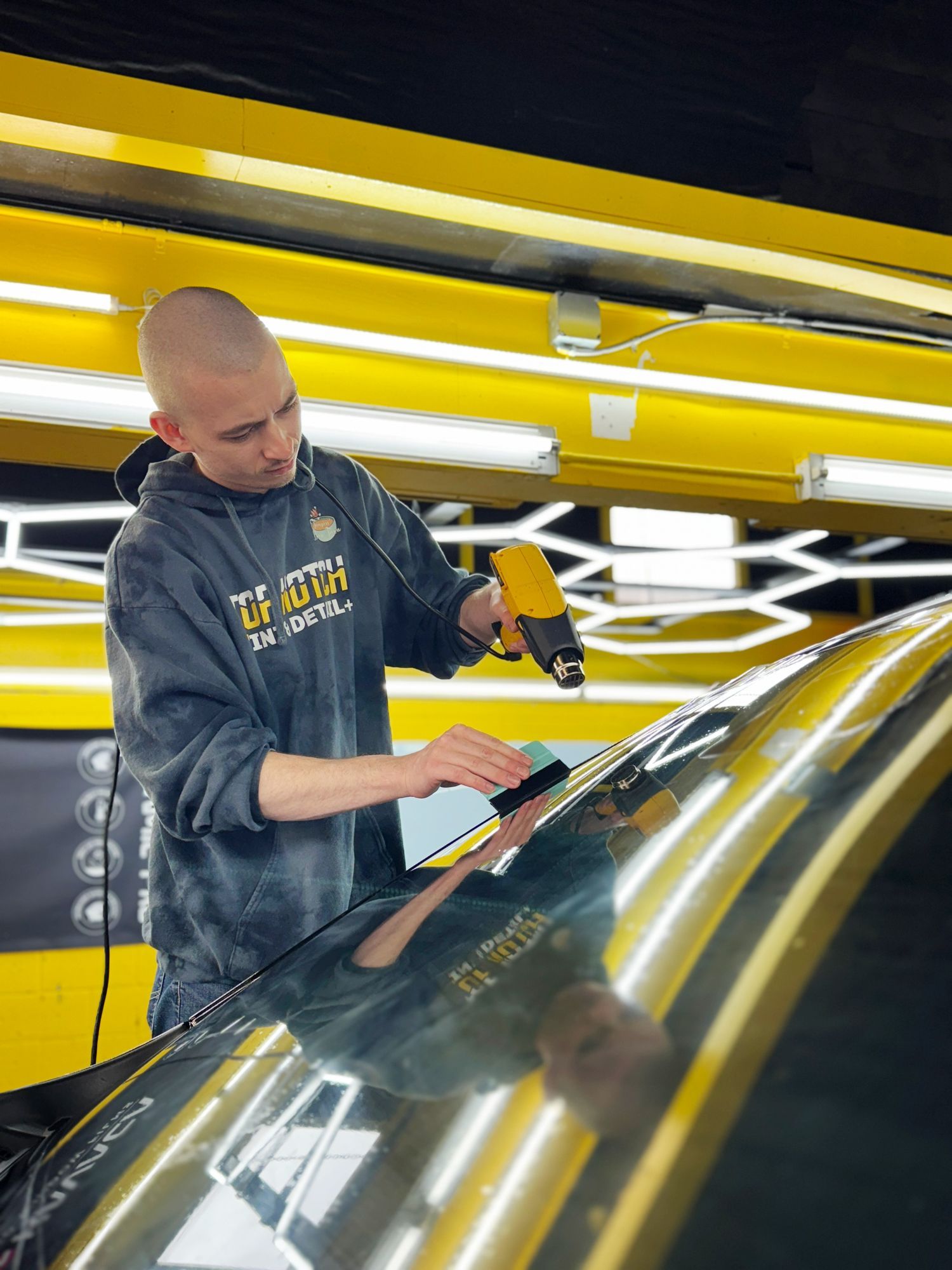
Heat Rejection: Where the Gap Gets Real
Here's where ceramic window tint vs dyed tint differences become impossible to ignore. Heat rejection performance varies dramatically between these two film types.
Dyed film absorbs solar energy. That sounds good until you realize what happens next. The absorbed heat has to go somewhere. Much of it radiates into your vehicle's cabin. Yes, the film blocks some heat. But it also becomes a heat source itself.
Think of it like wearing a black shirt on a sunny day. The shirt absorbs sunlight and gets hot. You feel that heat. Same principle with dyed window film.
Ceramic film works differently. The ceramic particles reject infrared heat before it enters your vehicle. The heat doesn't get absorbed and re-radiated. It gets turned away at the window. Your cabin stays dramatically cooler.
Our TINT X ceramic films reject significant heat regardless of how dark they appear. You can have a lighter, legal tint that keeps your vehicle cooler than darker dyed film. That's the counterintuitive reality. Darkness and heat rejection are not the same thing.
UV Protection Comparison
Both film types block UV rays, but the ceramic window tint vs dyed tint gap shows up here too.
Dyed films block UV radiation reasonably well. Most quality dyed films claim high UV rejection numbers. This protects your skin and helps prevent interior fading from ultraviolet exposure.
Ceramic films block 99% of UV rays. The ceramic particles are incredibly effective at stopping ultraviolet radiation. This protection happens regardless of the film's VLT percentage. Light ceramic tint and dark ceramic tint both deliver the same UV-blocking capability.
UV protection matters for health reasons. Long commutes and daily driving add up to significant sun exposure over time. It also matters for your vehicle's interior. UV rays fade upholstery, crack dashboards, and degrade leather. Better UV blocking means better preservation.
Appearance and Clarity
When comparing ceramic window tint vs dyed tint, appearance differences might surprise you.
Dyed film provides a flat, matte-black look from the outside. Many people like this aesthetic. The uniform darkness creates a classic tinted appearance that's been popular for decades.
However, dyed film can look hazy over time. The dye layer degrades with sun exposure. What starts as deep black can shift toward purple or take on a faded quality. The timeline varies, but degradation happens eventually with dyed films.
Ceramic film maintains optical clarity. Looking through ceramic tint, colors appear true and undistorted. The film doesn't create the slight color shift that some other technologies produce.
From outside, ceramic film still delivers that tinted look, but the finish tends to appear more refined. The clarity translates to a premium appearance that holds up over time without fading or color shifting.
Durability and Longevity
How long will your tint last? The ceramic window tint vs dyed tint comparison shows clear differences in durability.
Dyed film faces a fundamental problem. The dye layer breaks down under UV exposure. The same sun the film is supposed to protect against gradually destroys the dye particles. Fading, purple shifting, and bubbling become increasingly likely as the film ages.
The adhesive layer can also fail over time. Peeling, bubbling, and lifting happen more frequently with budget dyed films. Quality varies widely among dyed products, but even better options face the underlying dye degradation issue.
Ceramic particles don't break down the same way. The nano-ceramic technology remains stable under sun exposure. The film maintains its performance characteristics and appearance far longer than dyed alternatives.
Professional installation matters for both film types. But ceramic film rewards that professional installation with longer-lasting results. The film performs consistently for an extended period without the degradation issues that plague dyed options.
Signal Interference Considerations
Here's something most people don't think about when comparing ceramic window tint vs dyed tint: electronic signals.
Dyed film doesn't interfere with electronic signals. No metal in the construction means radio waves, cell signals, GPS, and Bluetooth all pass through without issues.
Ceramic film also passes signals cleanly. The non-metallic ceramic particles don't block electronic frequencies. Your phone, GPS navigation, toll transponders, and radio all work normally with ceramic tint installed.
This matters because some older tint technologies used metallic particles for heat rejection. Those metallic films interfered with electronics. Ceramic technology achieves superior heat rejection without the signal problems. You get better performance without sacrificing connectivity.
Why Darker Isn't Always Better
This might be the most important takeaway from the ceramic window tint vs dyed tint discussion. Darkness and performance are separate things.
A 20% VLT dyed film looks darker than a 35% VLT ceramic film. But the lighter ceramic film likely rejects more heat, blocks more UV, and lasts longer. The darker film just blocks more visible light.
Many buyers assume they need the darkest legal tint for maximum cooling. That's not how it works. Heat rejection depends on film technology, not darkness level. Infrared rejection happens regardless of how much visible light the film allows through.
You can choose a tint level based on your appearance preferences, legal requirements, and visibility needs. Then let the ceramic technology handle heat rejection separately. You don't have to sacrifice visibility or compliance to stay cool.
This flexibility matters for drivers in Tacoma, Bremerton, and throughout Washington state. Legal limits exist for front side windows. With ceramic film, you stay compliant while still getting excellent heat rejection. With dyed film, staying legal often means accepting less cooling performance.
Making Your Decision
The ceramic window tint vs dyed tint choice comes down to what you prioritize.
Choose dyed film if budget is your primary concern and you're okay with shorter lifespan and lower heat rejection. Dyed film still blocks light, provides some heat reduction, and delivers that tinted appearance.
Choose ceramic film if heat rejection, durability, and long-term performance matter to you. The technology delivers better results that last longer.
For drivers dealing with Pacific Northwest summers, ceramic film's heat rejection makes a real difference. Yes, we're known for rain. But those sunny stretches get hot, and vehicles parked in direct sun become unbearable. Ceramic tint keeps cabin temperatures manageable.
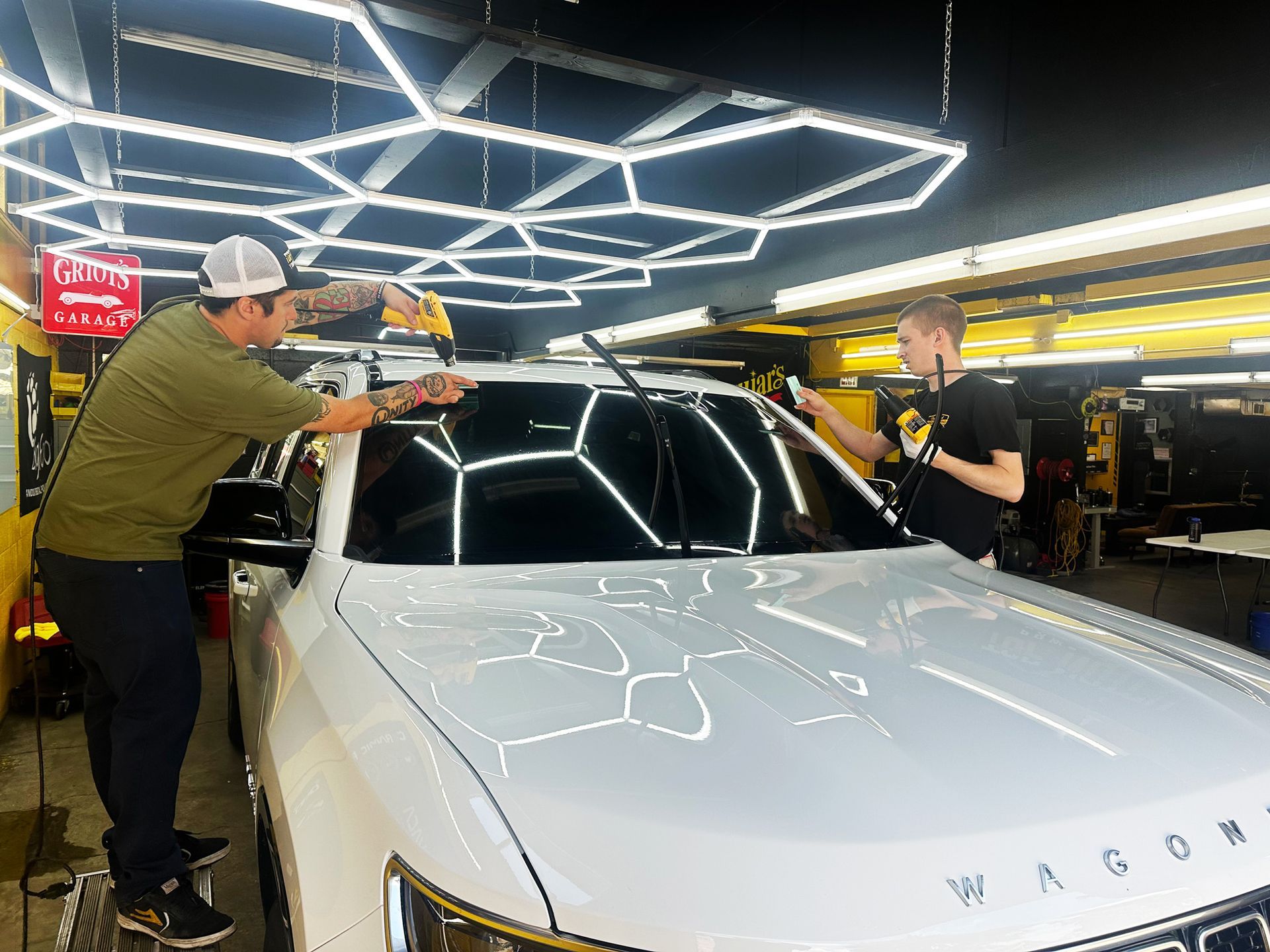
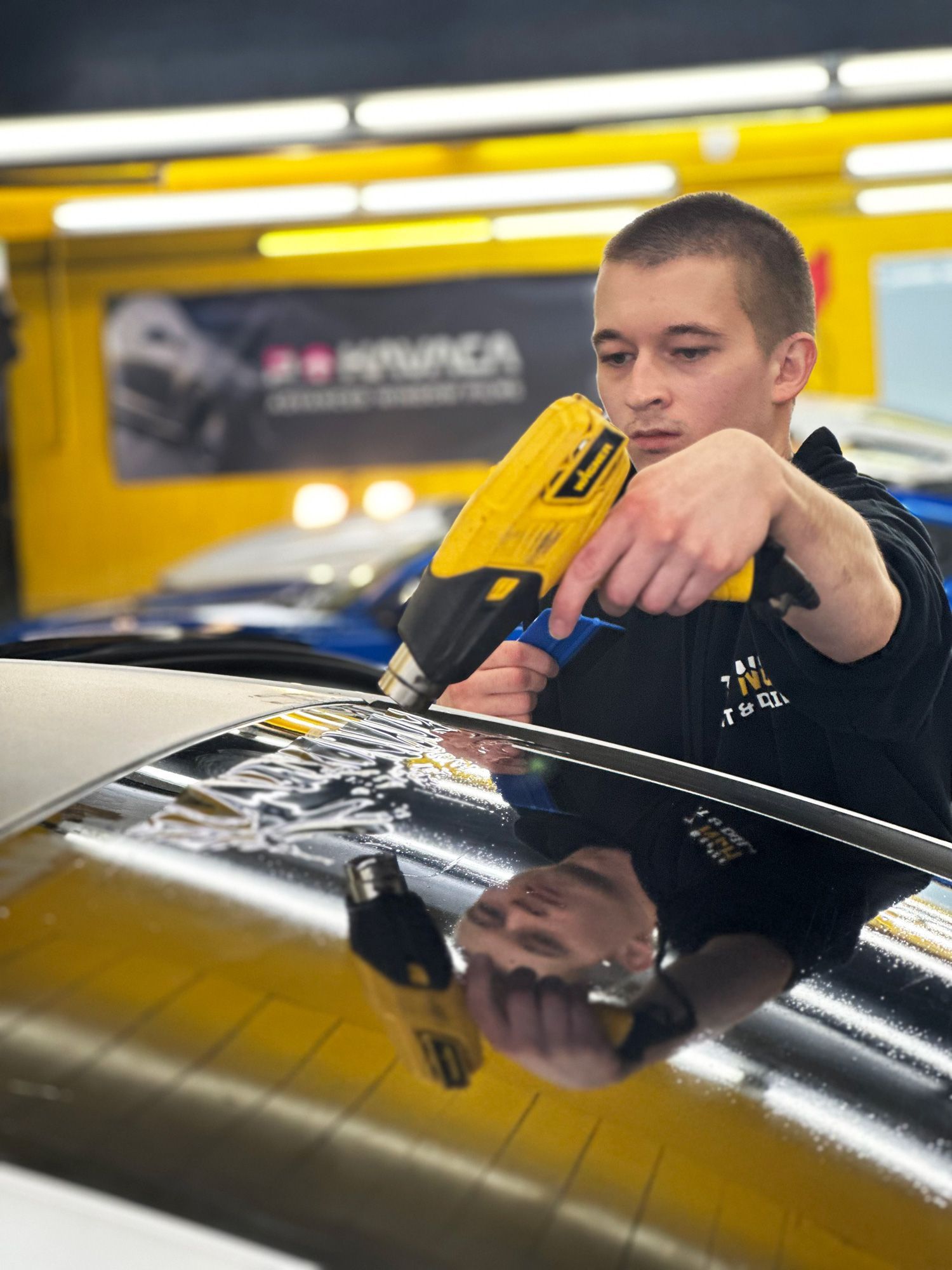
Professional Installation in Tacoma and Bremerton
Understanding ceramic window tint vs dyed tint is the first step. Getting professional installation completes the picture.
At Top Notch Tint & Detail +, we serve drivers throughout Tacoma, Bremerton, and the broader Kitsap County region. We install TINT X ceramic films because they deliver the performance our customers deserve. The heat rejection, UV protection, and durability justify choosing ceramic over basic alternatives.
Professional window tinting installation ensures proper adhesion, clean edges, and bubble-free results. The film performs as designed because it's applied correctly from the start.
Ready to upgrade your windows with ceramic tint? Get in touch and let's discuss the right film option for your vehicle and driving needs.
Frequently Asked Questions
What's the main difference between ceramic and dyed window tint?
The core ceramic window tint vs dyed tint difference is construction. Dyed film uses dye layers that absorb light and heat. Ceramic film uses nano-ceramic particles that reject heat without absorbing it. This construction difference drives all performance variations in heat rejection, durability, and longevity.
Does ceramic tint really keep cars cooler than dyed tint?
Yes. Ceramic film rejects infrared heat before it enters your cabin. Dyed film absorbs heat and re-radiates some of it inside. The difference is noticeable, especially during sunny days. Ceramic tint at lighter VLT percentages often outperforms darker dyed film for cooling.
Why does dyed tint fade or turn purple over time?
The dye layer degrades under UV exposure. Ironically, the sun the film protects against breaks down the dye particles. This causes fading, purple shifting, and eventual failure. Ceramic particles don't degrade the same way, maintaining appearance and performance longer.
Is ceramic window tint worth it over dyed tint?
For most drivers, yes. The superior heat rejection, UV protection, durability, and maintained appearance justify choosing ceramic film. If you plan to keep your vehicle and want tint that performs well over time, ceramic technology delivers better long-term value than dyed alternatives.