Paint Protection Film for High-Impact Areas: Which Parts of Your Car Need It Most?
So you want paint protection film on your vehicle. Smart move. But here's the thing. Full-vehicle PPF coverage costs real money, and not everyone needs it. The good news? You can protect the areas that actually take damage without wrapping your entire car in film.
Paint protection film coverage areas matter more than total square footage. A rock chip on your rear door is annoying, sure. But a rock chip on your hood? That's what people see first. Strategic placement gets you serious protection where it counts, and that's what this guide is all about.
At
Top Notch Tint & Detail+, we help vehicle owners figure out exactly how much coverage makes sense for their situation. Let's walk through which areas need protection most, why they're vulnerable, and how to build a protection plan that works for your budget.
Why Partial PPF Coverage Makes Sense
Before we dig into specific paint protection film coverage areas, let's talk about why partial coverage is a totally valid choice. Because honestly, it is.
Your vehicle doesn't take damage evenly. The front end catches most of the road debris. The sides face door dings and parking lot hazards. The rear? It stays relatively protected just by being, well, in the back.
Full-vehicle PPF looks amazing and offers complete protection. But if your budget has limits (whose doesn't?), putting film on areas that rarely get hit doesn't make much financial sense. You're better off protecting the zones that actually face threats.
Think of it like this. You wouldn't put steel doors on every entrance to your house if burglars only ever tried the front door. Same logic applies here. Protect what's actually at risk, and you'll get way more value for what you spend.
The practical approach means understanding where damage happens, then making informed choices about coverage. No shame in smart budgeting. Let's look at where your vehicle actually needs protection.
Front Bumper: The First Line of Defense
When talking about paint protection film coverage areas, the front bumper tops the list. It's the most forward-facing surface on your vehicle and catches everything the road throws at it.
Every rock, every piece of gravel, every bit of debris kicked up by the car ahead of you hits your front bumper first. Bug splatter? Front bumper. Road tar? Front bumper. That mystery gunk from construction zones? You guessed it.
The bumper's curved surfaces make damage even more visible. Rock chips on a curved panel catch light differently and stand out more than damage on flat surfaces. Even small chips become noticeable fast.
If you're only going to protect one area of your vehicle, make it the front bumper. You're covering a high-impact zone that faces the most abuse from road debris.
Most drivers who start with bumper-only PPF end up glad they did. It handles the worst of what roads throw at you while keeping costs reasonable.
Hood: Where Visibility Matters Most
Your hood is probably the largest single panel on your vehicle, and it faces forward into oncoming debris. That combination makes it one of the most important paint protection film coverage areas to consider.
Here's the deal with hood damage. It's not just about the chips themselves. It's about what people see when they look at your car. The hood is the first thing visible from the front. Walk toward any parked vehicle, and your eyes go straight to the hood.
Road debris hits at highway speed. We're talking small rocks traveling fast enough to chip through clear coat and into paint. Once that happens, the chip becomes an entry point for moisture, which leads to oxidation. One chip becomes a bigger problem over time.
Hood coverage comes in two main options. Partial hood coverage protects the leading edge and first portion of the hood, catching most impacts from road debris. Full hood coverage wraps the entire panel for complete protection.
Which makes sense for you? Consider your driving habits. Lots of highway miles? Full hood coverage pays off. Mostly city driving at lower speeds? Partial hood might handle your needs just fine.
Front Fenders: The Splash Zone
Fenders sit right behind your front wheels. Everything those tires kick up goes straight into the fender panels. This makes them critical paint protection film coverage areas that many people overlook.
Rocks, sand, water, road salt in winter, whatever's on the road gets launched directly at your fenders. The angle creates almost constant bombardment when driving, especially on wet or gravel roads.
Fender damage also spreads. One chip exposes bare metal. Moisture gets in. Rust starts. Before long, that tiny chip becomes a visible problem that affects your whole front-end appearance.
Front fender coverage typically includes the section behind the wheel well and the portion facing forward. Some packages extend coverage higher on the fender for additional protection.
If you're building a protection package, fenders belong in the conversation. They take hits constantly and protect areas that are expensive to repair or repaint.
Side Mirrors: Small But Vulnerable
Side mirrors stick out from your vehicle's body. That exposed position makes them magnets for damage. These small paint protection film coverage areas are easy to overlook, but protecting them makes sense.
Think about where mirrors sit. They catch side spray from passing vehicles. They clip bushes and branches in tight spaces. They get dinged in parking lots. Their position guarantees contact with stuff you'd rather avoid.
Mirror coverage is relatively affordable because the surface area is small. But the protection value is real. Mirror housings are visible from multiple angles and often match your vehicle's body color. Damage stands out.
Adding mirror coverage to a front-end package costs little extra but adds noticeable value. It's one of those areas where spending a bit more really pays off.
Door Edges and Door Cups: Daily Wear Points
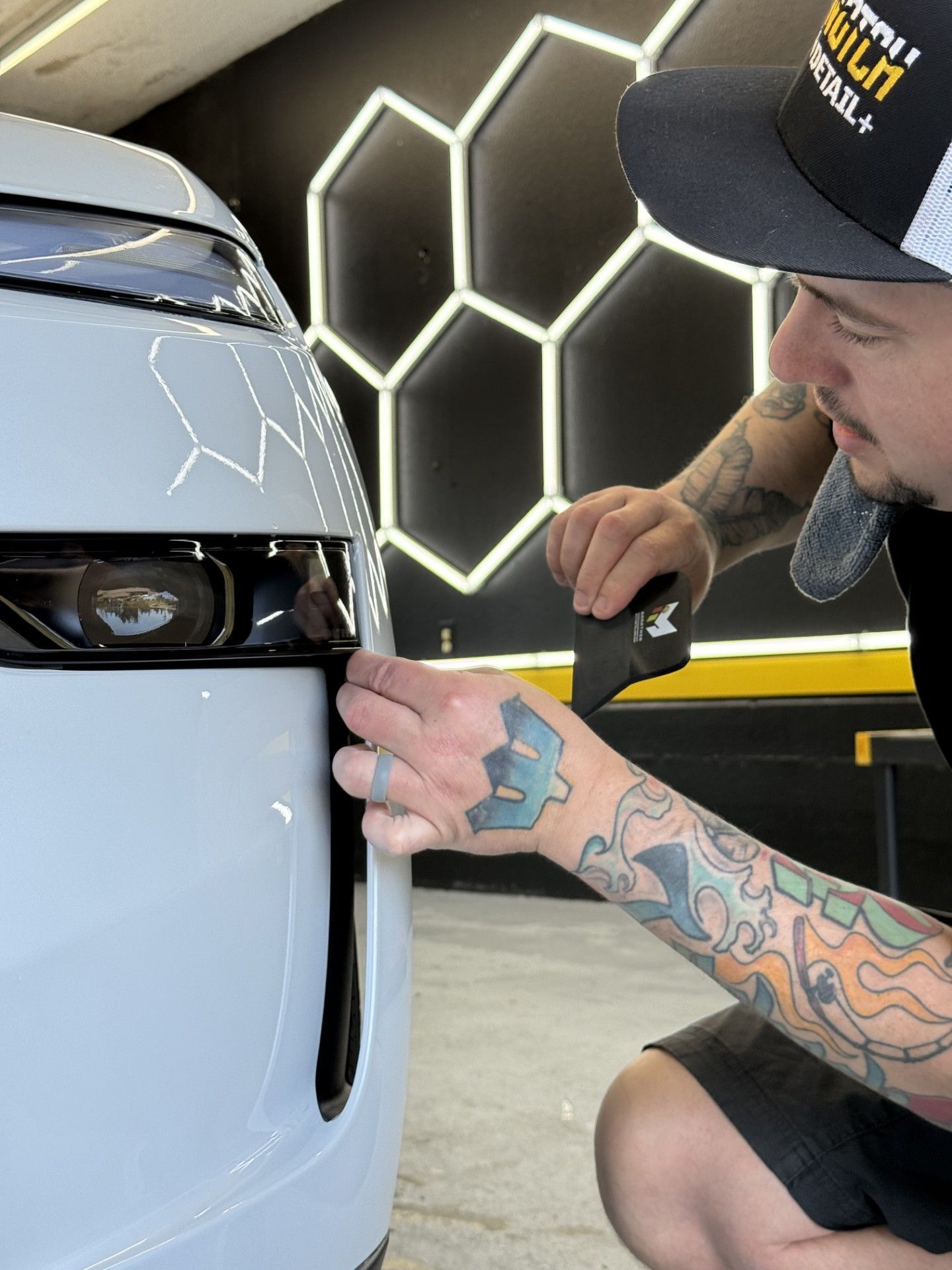
Every time you open your car door, the edge swings out and potentially contacts walls, other cars, or parking garage columns. Door edge guards are smart paint protection film coverage areas for this exact reason.
Door cups, those little recessed areas where you grab to pull the door open, face similar issues. Fingernails, rings, keys, they all contact the cup surface constantly. Over time, paint wears away.
These aren't high-speed impact zones like the front end. But they're constant-contact zones. The damage is slow but steady. And because you see door edges and cups every single day, the wear becomes hard to ignore.
Door edge and door cup protection usually comes as add-ons to larger packages. The cost is minimal, and the convenience factor is high. You stop thinking about careful door opening when you know the edges are protected.
Rocker Panels: The Forgotten Zone
Rocker panels run along the bottom of your vehicle between the front and rear wheel wells. They're low, often overlooked, and constantly bombarded by road debris. These underrated paint protection film coverage areas deserve attention.
Everything your tires throw backward hits the rocker panels. Rocks, gravel, sand, road salt in winter. The constant pelting creates chips and wear that accumulate fast.
Rocker panel damage often goes unnoticed until it's significant. The panels are low, and most people don't inspect them regularly. By the time damage is obvious, it's usually pretty bad.
If you drive on gravel roads, construction zones, or areas with harsh winters, rocker panel protection becomes more valuable. The film takes the abuse instead of your paint.
Damage Patterns by Vehicle Type
Different vehicles face different threats. Understanding your specific risks helps you choose the right paint protection film coverage areas for your situation.
Sedans and Coupes: Lower ride height means more exposure to road spray. Front bumper, hood, and fenders take consistent hits. Door edges matter because parking lot proximity is tight.
SUVs and Crossovers: Higher ride height reduces some road spray but increases exposure to truck tire debris. Front end protection remains critical. Rocker panels often face more abuse due to wheel size.
Trucks: Front end takes hits from both road debris and towing situations. Tailgate and rear bumper face loading damage. Rocker panels and wheel well edges see constant abuse from off-road use.
Sports Cars: Low ride height creates maximum road debris exposure. Front end protection is basically mandatory for these vehicles. Side skirts and lower body panels need consideration too.
Your vehicle type influences where damage concentrates. Match your coverage to your specific risk profile.
Tiered Protection Approaches
Building a paint protection film coverage areas plan works best when you think in tiers. Start with what matters most, then expand if budget allows.
Partial Front Coverage: Front bumper, partial hood, mirrors, partial front fenders, door edge guards, and headlights. This combination catches the majority of road debris damage. Perfect for budget-conscious buyers who want real protection on the most vulnerable zones.
Full Front Coverage: Full hood, full front fenders, front bumper, mirrors, and headlights. Protects the entire front-facing portion of your vehicle. Great balance of coverage and protection.
Full Vehicle Coverage: Wraps your entire vehicle in PPF, protecting all painted surfaces from every angle. Best for high-value vehicles, enthusiast cars, or owners who want zero compromises.
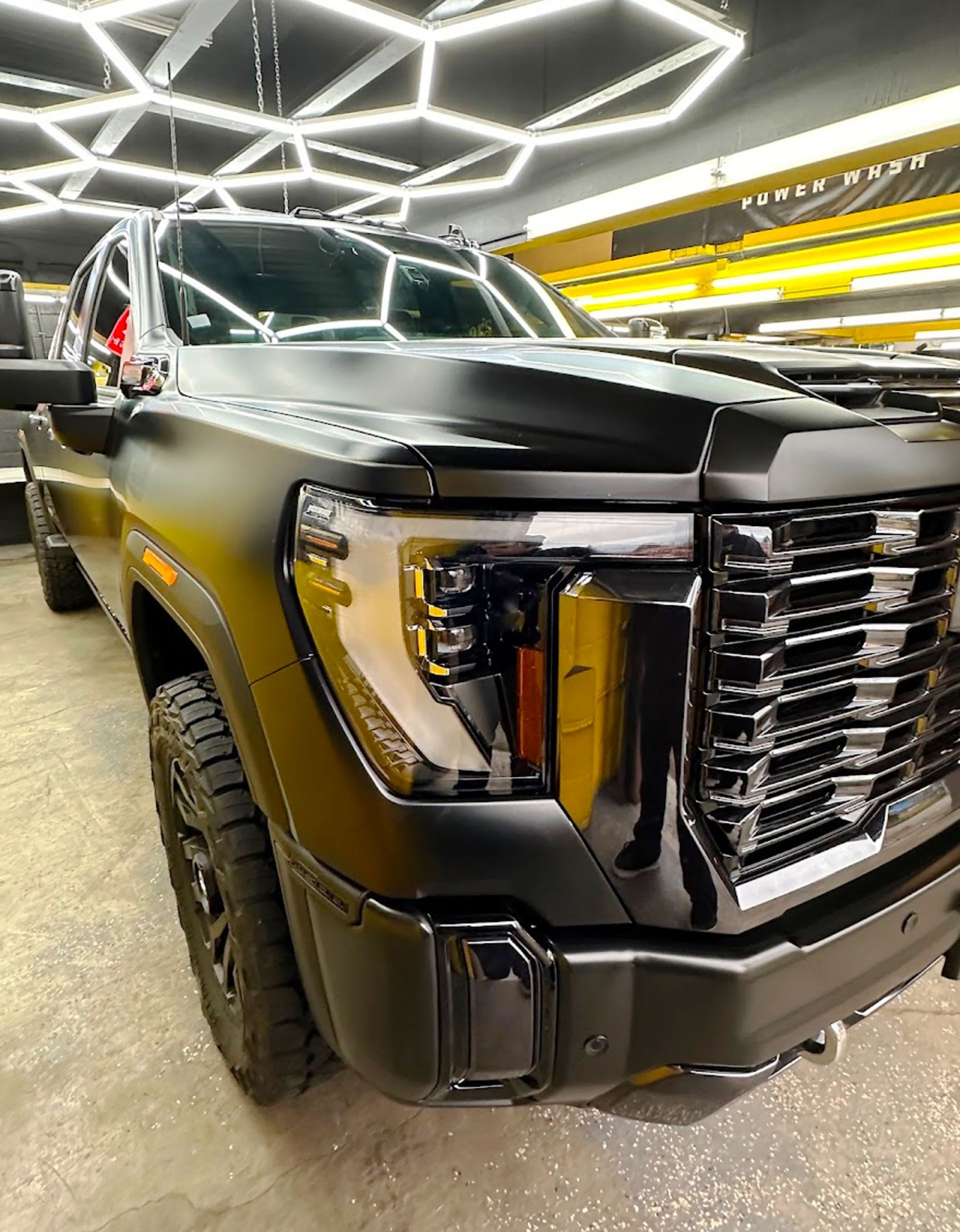
Matte Full Vehicle: Delivers complete protection with a modern satin aesthetic. All the defense of full coverage with a unique matte appearance that transforms glossy paint.
Each tier offers legitimate protection. The right choice depends on your vehicle, driving habits, and situation. There's no wrong answer, just different approaches.
Making Your Coverage Decision
Choosing the right paint protection film coverage areas comes down to honest assessment. Ask yourself these questions.
How do you drive? Highway commuters face more debris than city drivers. Adjust coverage accordingly.
Where do you park? Tight parking garages make door edge protection more valuable. Covered home parking reduces some environmental exposure.
How long do you plan to keep the vehicle? Longer ownership makes more coverage worthwhile. Shorter terms might justify minimal protection.
What's your budget? Be honest about what you can spend. Essential coverage beats no coverage every time.
Beyond Boundaries
ButtonProfessional Assessment Gets It Right
Reading about paint protection film coverage areas helps you understand options. But seeing film samples on your actual vehicle makes the decision clearer.
At Top Notch Tint & Detail+, we walk customers through coverage options based on their specific vehicle and situation. We show you exactly what different packages look like and explain which areas face the most risk for your driving patterns.
Let's design a custom paint protection film protection plan that fits your budget and protects your vehicle's most vulnerable areas. Get in touch for your assessment. We'll help you make a smart decision without any pressure.
FAQ: Paint Protection Film Coverage Areas
What are the most important areas to protect with PPF?
The front bumper and hood face the most road debris and should be top priority for paint protection film coverage areas. Front fenders and mirrors come next. These forward-facing surfaces catch rocks, gravel, and debris kicked up during normal driving. Protecting these areas first gives you the best value.
Is partial PPF coverage worth it, or should I do the whole car?
Partial coverage is absolutely worth it and makes financial sense for most drivers. Your front end takes far more damage than rear surfaces. Strategic partial coverage protects high-impact zones without full-vehicle expense. Full coverage works great for high-value vehicles, but partial coverage delivers real protection at lower cost.
How do I know which coverage package is right for my vehicle?
Consider your driving habits, parking situations, and budget. Highway commuters benefit from more front-end coverage. City drivers might prioritize door edges and mirrors. Trucks and SUVs often need rocker panel protection. A professional assessment helps match coverage to your specific risks.
Can I add more PPF coverage later if I start with just the basics?
Yes. Many vehicle owners start with essential coverage like front bumper and partial hood, then add fenders, mirrors, or other areas later. Paint protection film can be added in stages as budget allows. Starting with something is always better than waiting for full coverage you might never get.