Combining Paint Protection Film and Ceramic Coating: The Ultimate Defense Strategy
Here's something most vehicle owners don't realize. Paint protection film and ceramic coating aren't competing products. They're teammates. Each one handles threats the other can't, and when you use PPF and ceramic coating together, you get protection that neither product delivers on its own.
Think about it this way. You wouldn't wear just a helmet when riding a motorcycle. You'd want gloves, a jacket, boots, the whole setup. Each piece protects something different. Same concept applies to your vehicle's paint. Different threats require different solutions.
At
Top Notch Tint & Detail+, we install both PPF and ceramic coating regularly. Sometimes separately, sometimes together. This guide explains why combining them makes sense for certain vehicles and owners and helps you decide if the combination approach fits your situation.
Why Single-Product Protection Has Gaps
Before getting into why PPF and ceramic coating together works so well, let's be honest about what each product can and can't do on its own.
Paint protection film is incredible at stopping physical damage. Rock chips, gravel impacts, bug splatter that would etch into paint, door dings from parking lots. The thick urethane film absorbs these hits and keeps your paint underneath untouched. It's basically a shield.
But PPF doesn't do everything. It doesn't make your vehicle easier to clean. It doesn't add that deep, glossy shine people love. And while it protects against impacts, it doesn't offer the same chemical resistance that ceramic coating provides.
Ceramic coating excels at different things. It creates a slick, hydrophobic surface that repels water and contaminants. Dirt slides off. Water beads and sheets away. UV rays get blocked before they fade your paint. Bird droppings and tree sap can't bond to the surface as easily.
But here's the thing. Ceramic coating is a thin chemical layer. It bonds with your clear coat and hardens, but it doesn't absorb physical impacts. A rock kicked up on the highway? Ceramic coating won't stop that chip.
See the gap? PPF handles physical threats. Ceramic coating handles chemical and environmental threats. Use just one, and you're protected from some things but exposed to others.
How PPF and Ceramic Coating Complement Each Other
When you use PPF and ceramic coating together, something interesting happens. The gaps disappear. You end up with protection that covers basically everything your paint faces.
The combination works because these products do completely different jobs. PPF creates a physical barrier. Ceramic coating creates a chemical barrier. Together, they form what we call layered defense.
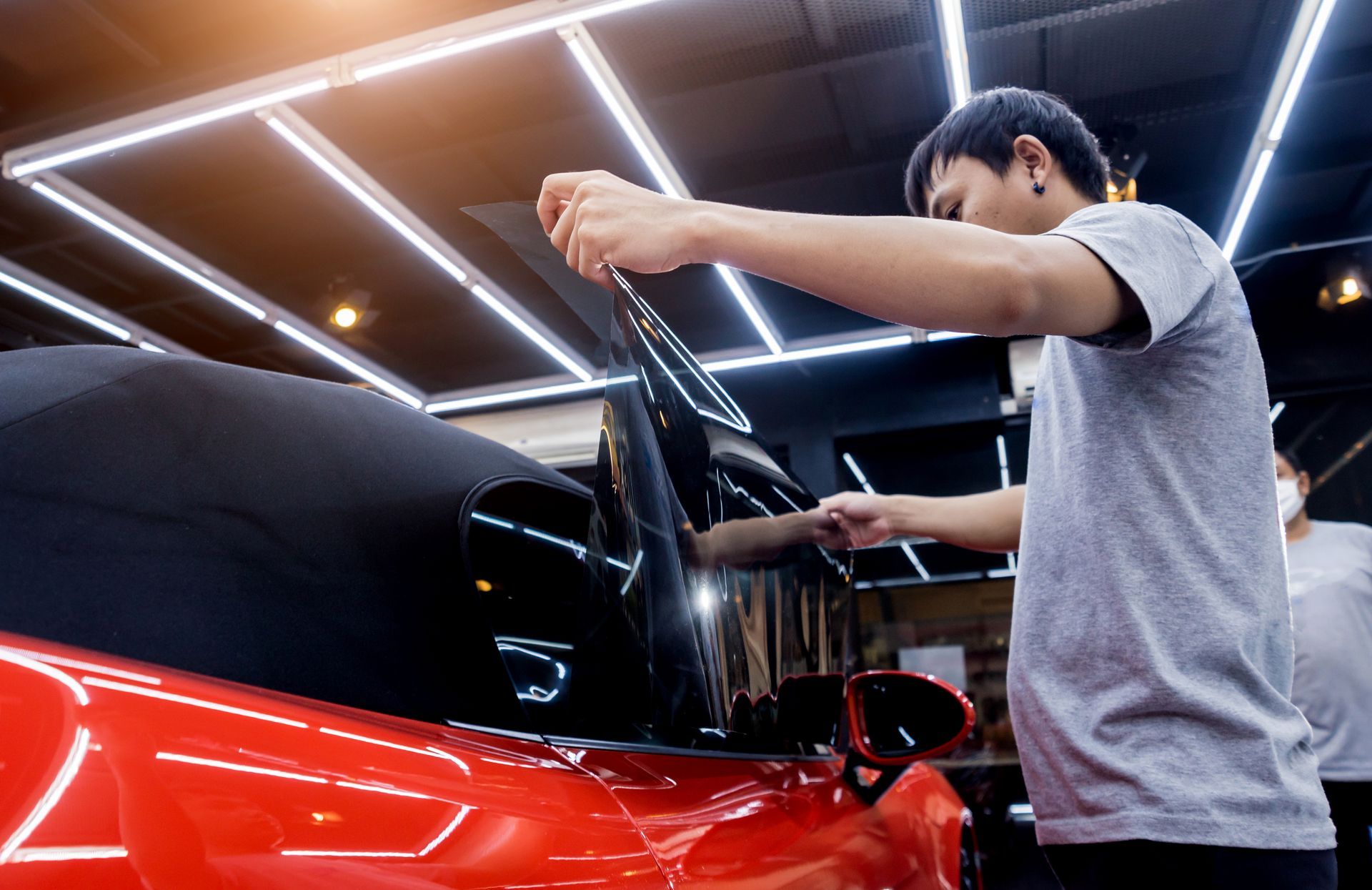
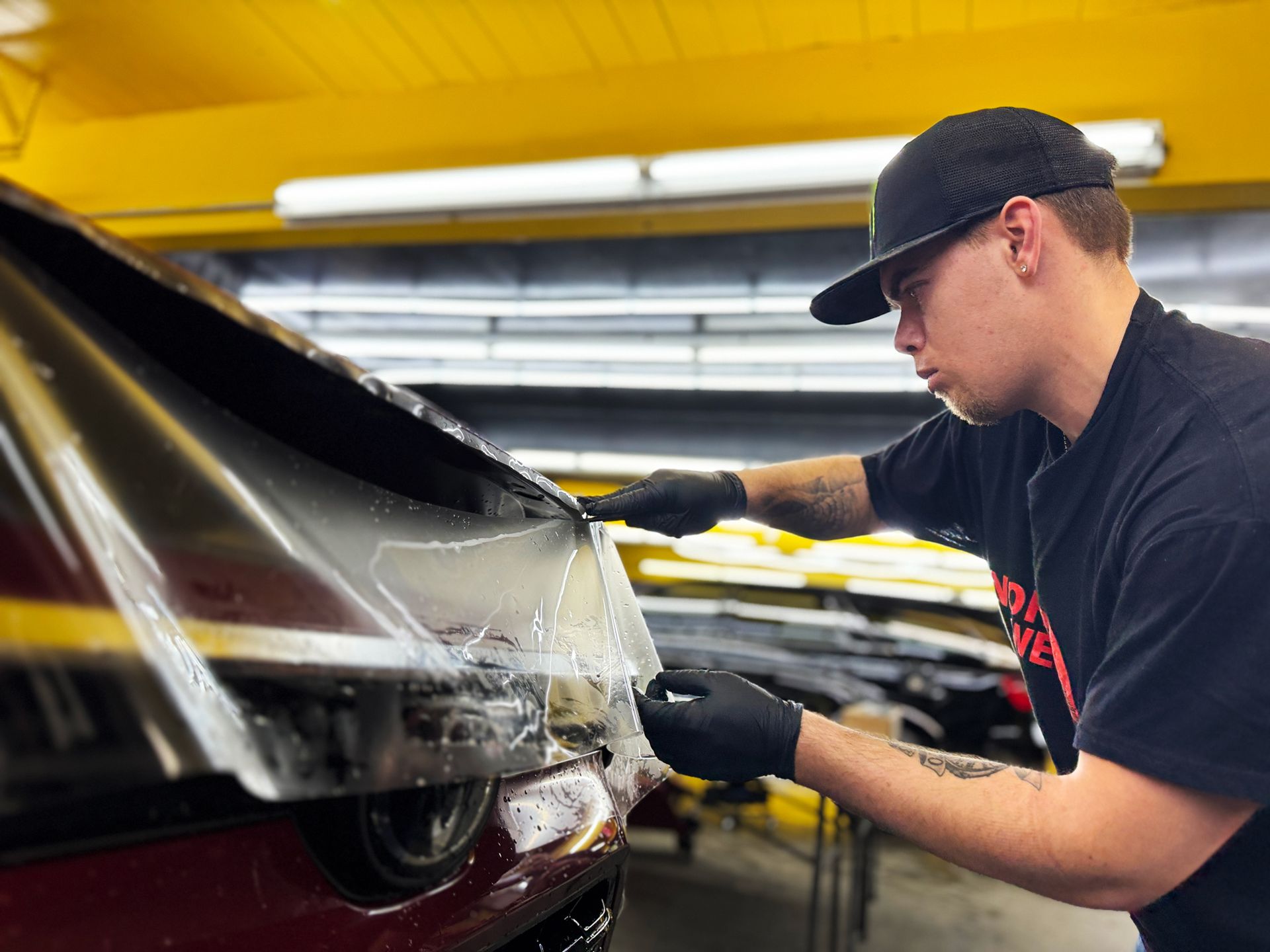
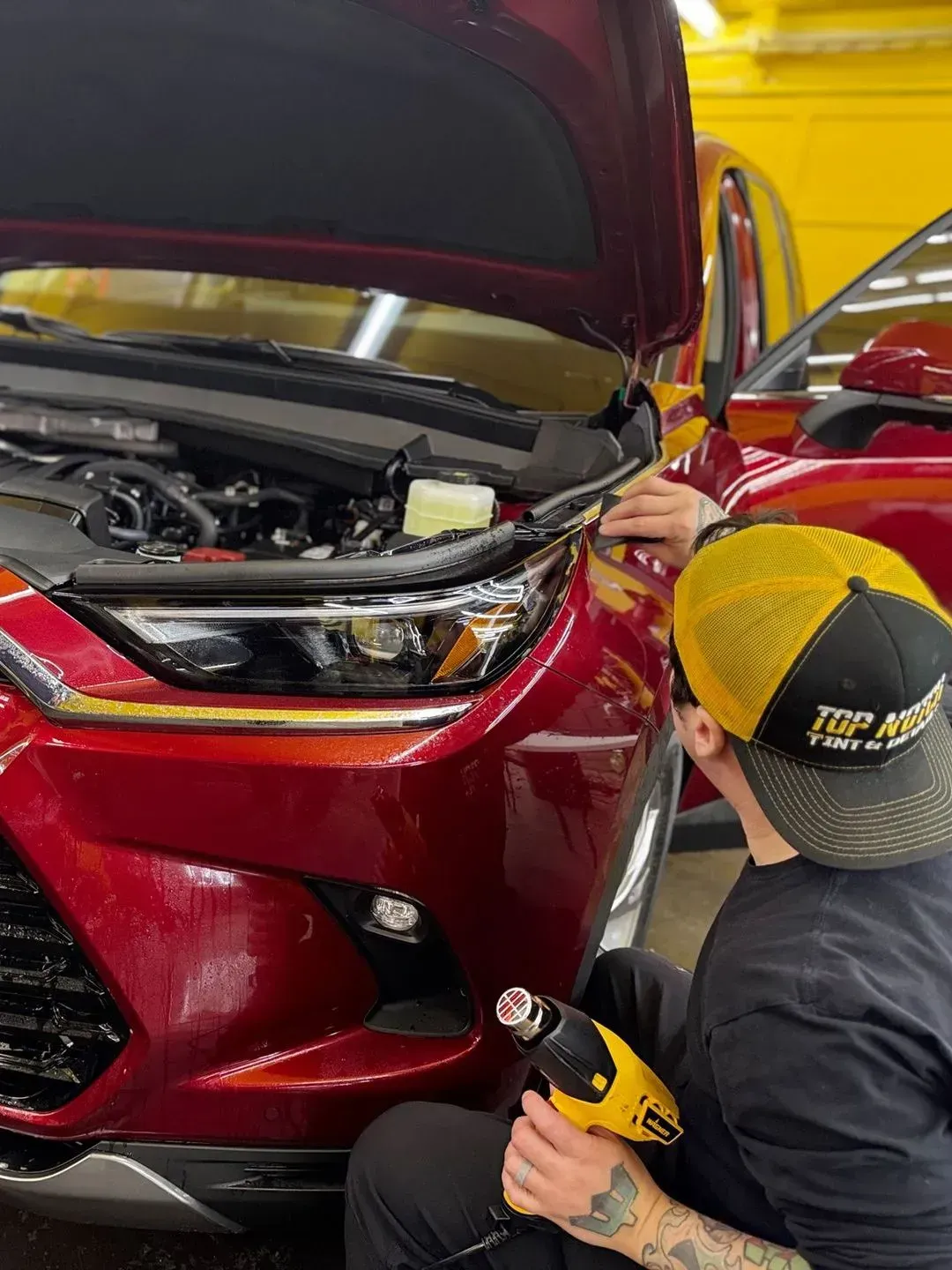
Picture it like this. PPF goes on first, covering high-impact areas where road debris actually hits. Front bumper, hood, fenders, mirrors, the usual suspects. This thick urethane film takes the punishment from rocks, gravel, and all the stuff highways throw at your vehicle.
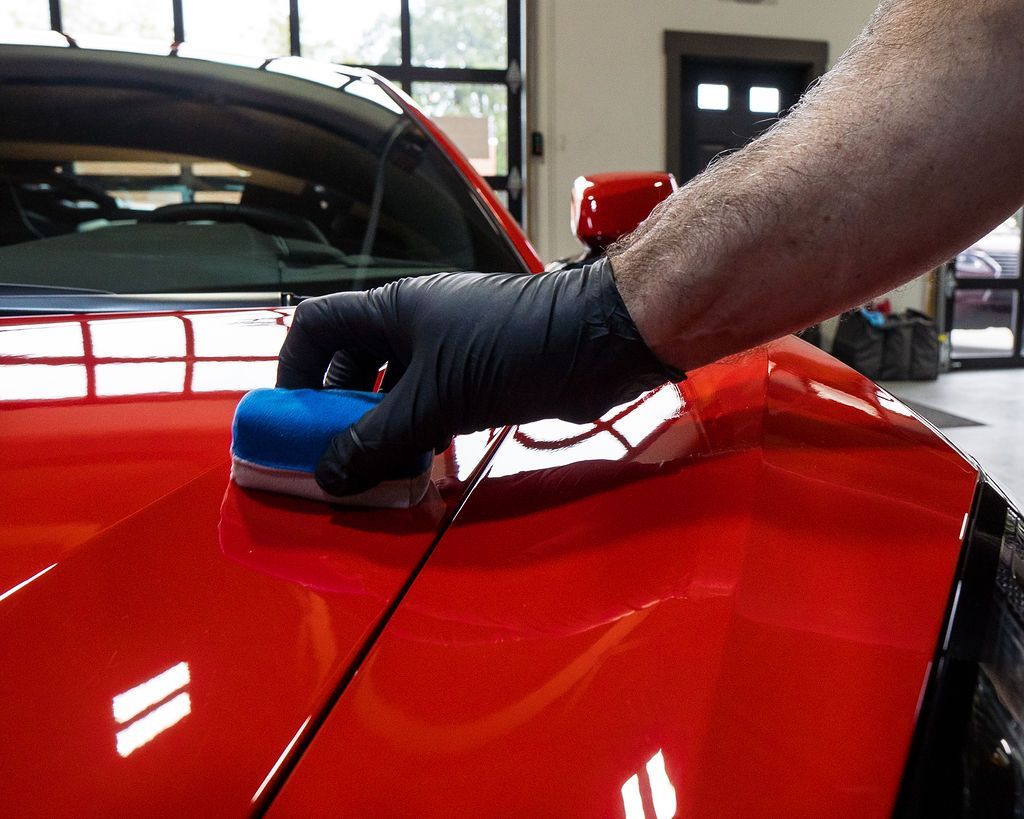
Then ceramic coating goes over everything. Over the PPF. Over the rest of your painted surfaces. This adds hydrophobic properties, UV protection, and that slick, glossy finish across your entire vehicle.
The result? Physical impacts hit the PPF and stop there. Environmental contaminants hit the ceramic layer and can't bond to your paint. Your vehicle stays cleaner between washes. Water beads off beautifully. And rock chips? They damage the film instead of your factory paint.
Neither product alone delivers all of this. But together? You're covered.
The Layered Protection Concept Explained
Understanding how PPF and ceramic coating together creates layered protection helps you appreciate what you're actually getting.
Your factory paint job has layers already. Metal, primer, base coat, clear coat. Each layer serves a purpose. Adding PPF and ceramic coating extends this layered approach with additional protection.
Here's how the layers stack up from inside to outside:
Your vehicle's metal body sits at the base. Factory primer goes over that. Base coat provides the actual color. Clear coat protects the color and creates shine. Now we add the protection layers.
PPF bonds to your clear coat on high-impact areas. The thick urethane film becomes your new outermost layer in those zones. It's soft enough to absorb impacts but tough enough to resist punctures from normal road debris.
Ceramic coating bonds to both the PPF and any unprotected clear coat. This creates a hard, slick surface layer across your entire vehicle. Whether it's sitting on PPF or directly on clear coat, the ceramic layer adds chemical resistance and hydrophobic properties everywhere.
When a rock hits your protected hood, the ceramic layer is thin, so the rock pushes through it into the PPF underneath. The PPF absorbs the impact. Your clear coat never feels it.
When bird droppings land on your roof (which has ceramic coating but not PPF), the acids can't penetrate the ceramic barrier. You wipe them off, and no damage occurs.
Layered defense means multiple barriers working together. Different threats get stopped by different layers. Nothing gets through to your actual paint.
Benefits of the Combination Approach
Using PPF and ceramic coating together delivers specific benefits you won't get from either product alone.
Complete Coverage for All Threat Types
Physical threats? Handled by PPF. Chemical threats? Handled by ceramic. UV damage? Ceramic blocks it. Road debris? PPF absorbs it. You stop worrying about what might damage your paint because the combination addresses everything common.
Enhanced Durability on Protected Areas
Putting ceramic coating over PPF actually improves PPF performance. The ceramic layer makes the film easier to clean and more resistant to staining. Contaminants that might discolor uncoated PPF over time just slide off ceramic-coated PPF.
Easier Maintenance Across Your Entire Vehicle
Ceramic coating's hydrophobic properties mean less effort washing your car. Water sheets off. Dirt doesn't stick as stubbornly. Whether you're cleaning PPF-protected panels or ceramic-only panels, maintenance takes less time and less scrubbing.
Consistent Appearance and Finish
Ceramic coating creates uniform gloss across your whole vehicle. The PPF areas and non-PPF areas all get that same slick, deep shine. Without ceramic over the PPF, you might notice slight differences in how light reflects off protected versus unprotected panels.
Long-Term Value Preservation
Vehicles with well-maintained paint hold value better. The combination approach keeps your paint looking newer longer than either product alone. When you eventually sell or trade, the condition difference matters to buyers.
Self-Healing Properties Where You Need Them
Quality PPF includes self-healing urethane that repairs minor surface marks when exposed to heat. Adding ceramic coating on top doesn't eliminate this property. You still get self-healing capability in impact-prone areas.
Which Layer Goes Where and Why
Getting the most from PPF and ceramic coating together requires understanding proper placement. The order matters, and so does coverage location.
PPF goes on first, always. The film needs to bond directly to your clear coat for proper adhesion. If you applied ceramic coating first, the PPF wouldn't stick properly to the slick ceramic surface.
PPF placement focuses on high-impact areas. Not every panel needs physical protection. Here's the typical approach:
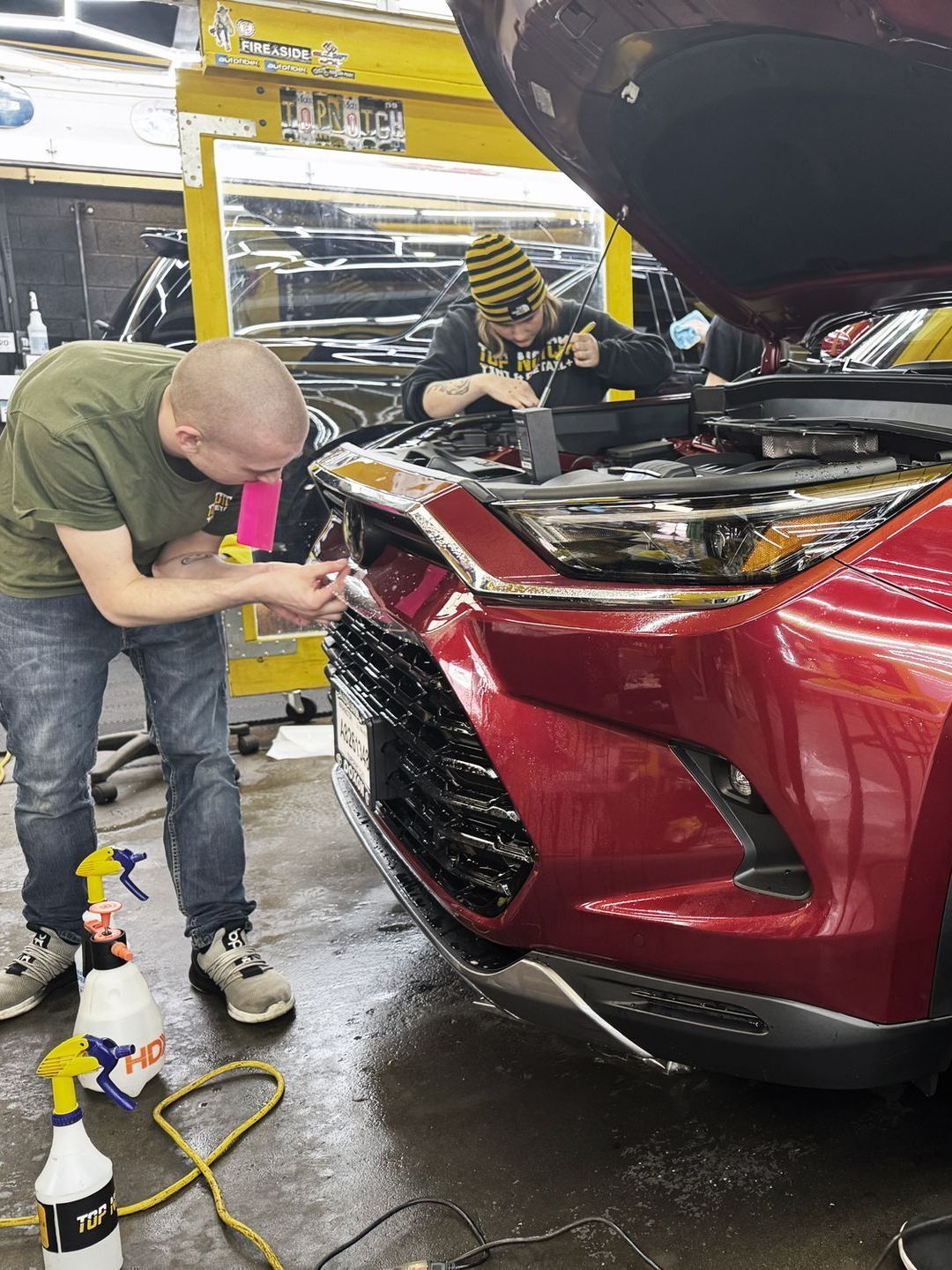
Front bumper always gets PPF. It's the most forward-facing surface and catches the worst of road debris.
Hood coverage depends on your preference. A partial hood covers the leading edge where most impacts occur. A full hood provides complete protection for the entire panel.
Front fenders sit right behind your front wheels. They catch everything the tires kick up. PPF here makes sense for most drivers.
Mirrors stick out and catch debris from passing vehicles. Small surface area, but worth protecting.
Door edges face constant contact when opening and closing. PPF here prevents the slow wear that accumulates over time.
After PPF installation and proper curing, ceramic coating goes over everything. The entire vehicle, including the PPF surfaces, gets coated. This creates uniform protection and appearance across all panels.
The ceramic layer bonds to PPF just like it bonds to clear coat. You get the same hydrophobic properties and chemical resistance on every surface.
Who Benefits Most From Combined Protection
Not everyone needs PPF and ceramic coating together. Being honest about that helps you make a smart decision. Here's who typically benefits most from the combination approach.
New Vehicle Owners
Starting with fresh paint means you're preserving perfect condition from day one. No existing damage to worry about. The combination prevents future damage rather than covering up past problems. If you plan to keep the vehicle long-term, starting with full protection makes sense.
Highway Commuters
Regular highway driving means regular rock chip exposure. The front end takes constant bombardment from debris. PPF handles those impacts while ceramic coating keeps everything clean and protected from environmental contaminants.
Enthusiasts and Collectors
People who care deeply about their vehicles appreciate maximum protection. Show cars, collector vehicles, and enthusiast builds represent significant investments. Protecting that investment completely justifies the combination approach.
Luxury and High-Value Vehicles
Premium vehicles often have premium paint that costs serious money to repair or repaint. Factory colors on luxury brands can be expensive to match. Preventing damage costs far less than fixing it.
Vehicles in Harsh Conditions
If you drive on gravel regularly, deal with harsh winters and road salt, or face coastal salt air exposure, your paint faces above-average threats. Layered protection handles these challenging conditions better than single-product solutions.
Long-Term Owners
Planning to keep your vehicle for many years? The longer you own it, the more value you get from proper protection. Damage accumulates over time. Preventing that accumulation pays off increasingly over the ownership period.
When Single-Product Protection Makes Sense
We'd be doing you a disservice by pretending everyone needs PPF and ceramic coating together. Some situations call for just one or the other, and that's perfectly fine.
If budget is a real constraint, ceramic coating alone provides significant benefits. You get easier cleaning, UV protection, and chemical resistance. You accept some rock chip risk in exchange for a simpler approach.
If you're primarily concerned about impacts and less worried about cleaning ease, PPF on high-impact areas addresses your main concern. You can always add ceramic coating later when budget allows.
If you drive mostly in the city at low speeds, rock chip risk is lower. Ceramic coating might handle your needs without PPF.
If you're leasing short-term, the investment calculation changes. You're protecting a vehicle you won't own long. Sometimes simpler protection makes more financial sense.
There's no shame in choosing what works for your situation. Some protection always beats no protection. And you can upgrade or add to your protection package over time if circumstances change.
Getting Started With Combined Protection
Understanding PPF and ceramic coating together is the first step. Actually getting it requires working with professionals who install both products properly.
The installation sequence matters. Surface preparation matters. Cure times matter. Professional installation ensures proper bonding, correct layering, and results that actually last.
At Top Notch Tint & Detail+, we handle both paint protection film and ceramic coating installation. We can create combination packages that match your coverage needs and budget. Full front PPF with whole-vehicle ceramic coating is popular. But we also do custom configurations based on your specific situation.
Ready to give your vehicle complete protection? Get in touch to learn about our PPF and ceramic coating packages. We'll help you design layered protection that makes sense for how you actually use your vehicle.
FAQ
Why combine PPF and ceramic coating instead of choosing one?
PPF and ceramic coating together provides layered defense that covers all threat types. PPF handles physical impacts like rock chips and road debris. Ceramic coating handles chemical and environmental threats like UV rays, bird droppings, and contaminants. Using both eliminates the protection gaps that exist when using either product alone.
Does ceramic coating go over PPF or under it?
Ceramic coating always goes over PPF, never under. The installation sequence matters for proper adhesion. PPF must bond directly to your clear coat first. After the film cures properly, ceramic coating applies over the PPF and all other painted surfaces, creating uniform protection and appearance across your entire vehicle.
Will ceramic coating over PPF affect the self-healing properties?
No. Quality PPF maintains its self-healing capability even with ceramic coating applied on top. Minor surface marks on the PPF still disappear when exposed to heat from sunlight or warm water. The ceramic layer sits on the surface but doesn't prevent the urethane underneath from healing itself.
Is the combination necessary for every vehicle?
Not necessarily. The combination approach provides maximum protection, but some vehicles and driving situations don't require it. City drivers with covered parking face lower rock chip risk. Budget constraints are real for many buyers. Ceramic coating alone or partial PPF alone still provides meaningful protection. The combination makes most sense for highway commuters, new vehicle owners, enthusiasts, and those planning long-term ownership.