Paint Protection Film vs. Ceramic Coating: Which One Does Your Car Actually Need?
Walk into any automotive protection shop and you'll hear two terms constantly: paint protection film and ceramic coating. Both promise to protect your vehicle's paint. Both cost real money. And if you're like most vehicle owners, you're wondering which one you actually need.
Here's the thing about PPF vs ceramic coating: it's not really about which one is "better." These products protect against completely different threats. Comparing them is like asking whether a helmet or sunscreen is better protection. The answer depends entirely on what you're protecting against.
At
Top Notch Tint & Detail +, we help customers navigate this decision every day. Let's break down what each product actually does, what it protects against, and how to figure out which option matches your specific situation.
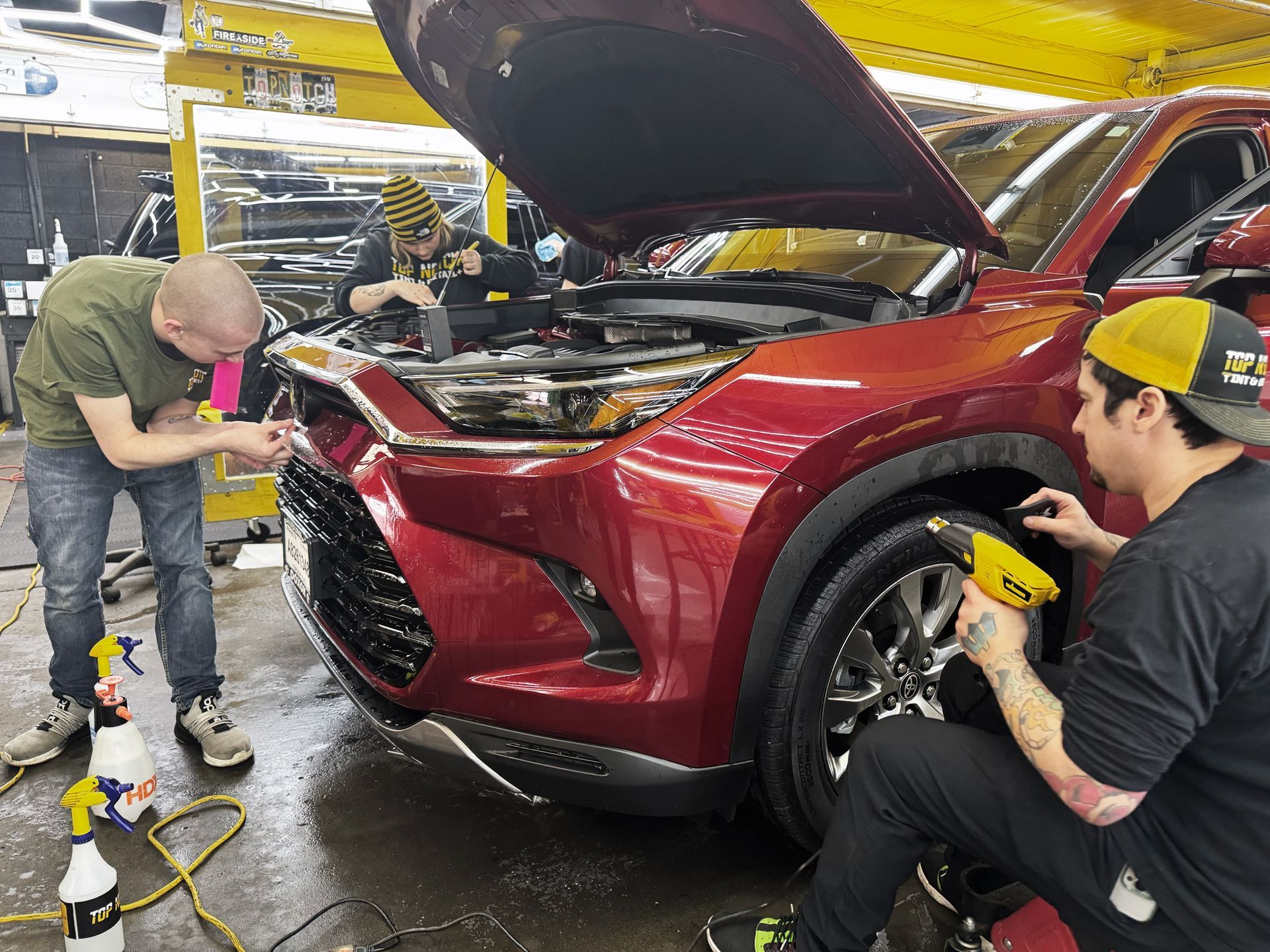
Understanding What Each Product Actually Is
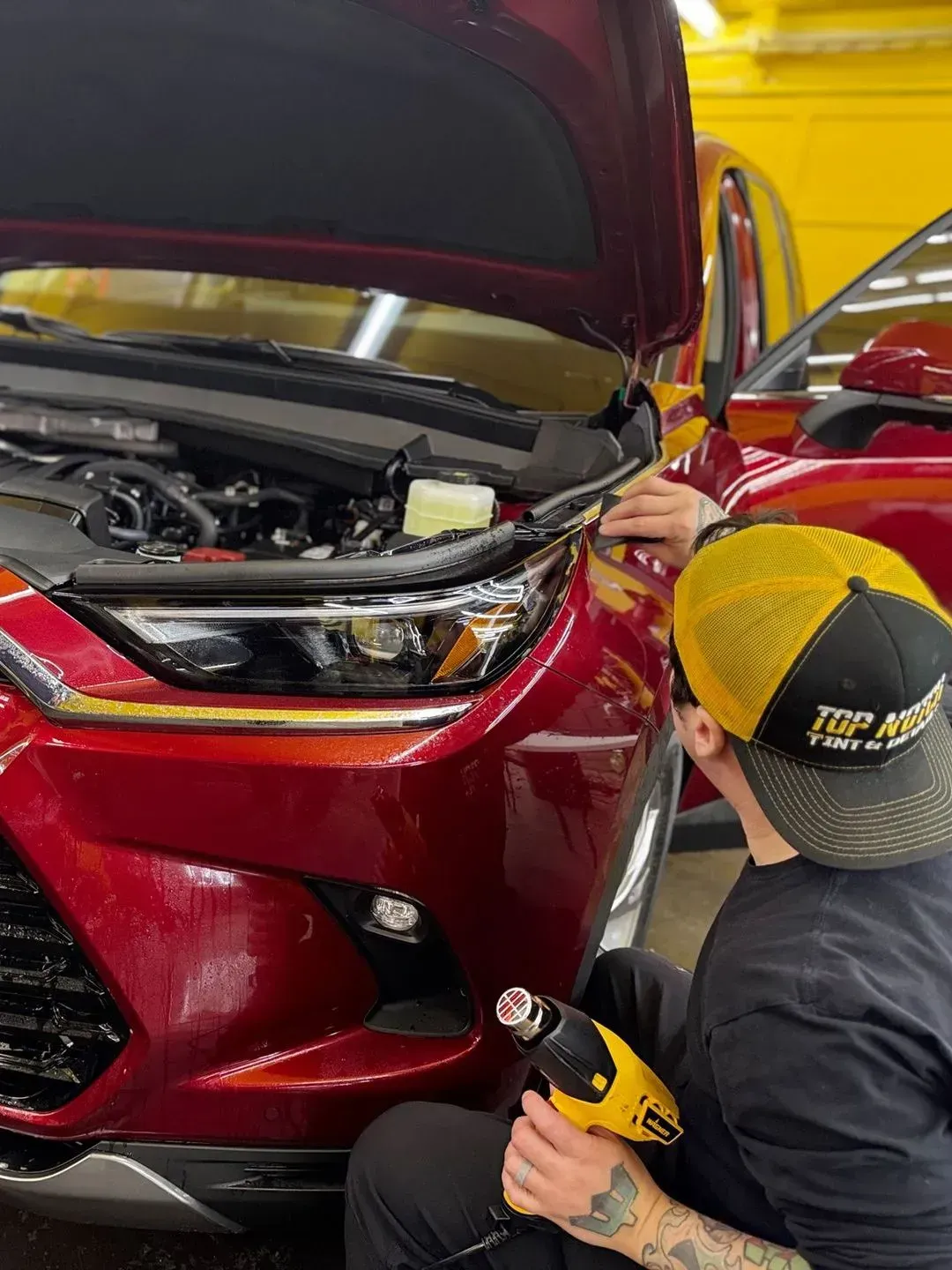
Before comparing PPF vs ceramic coating, you need to understand the fundamental difference between these two protection methods. They work in completely different ways.
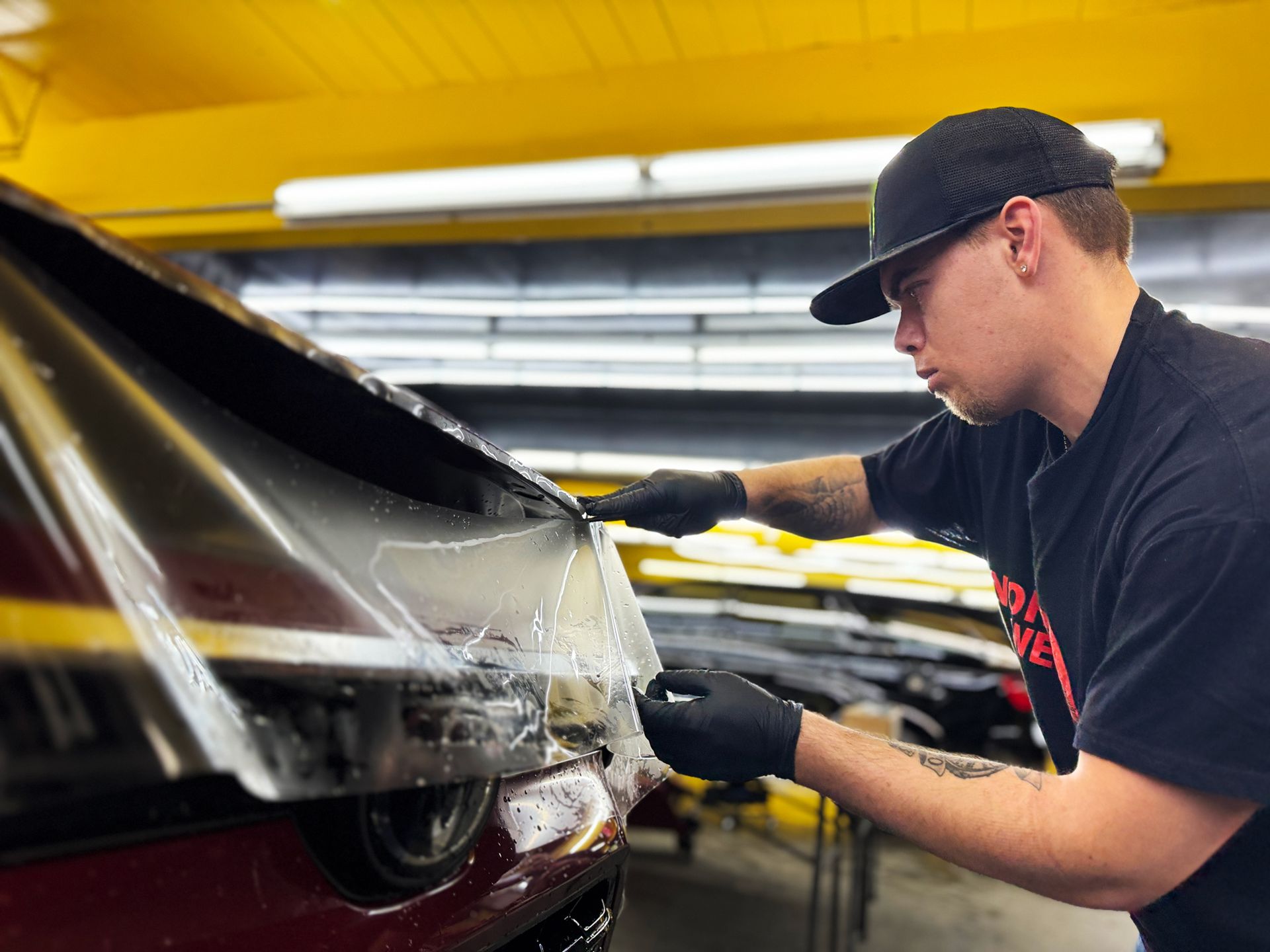
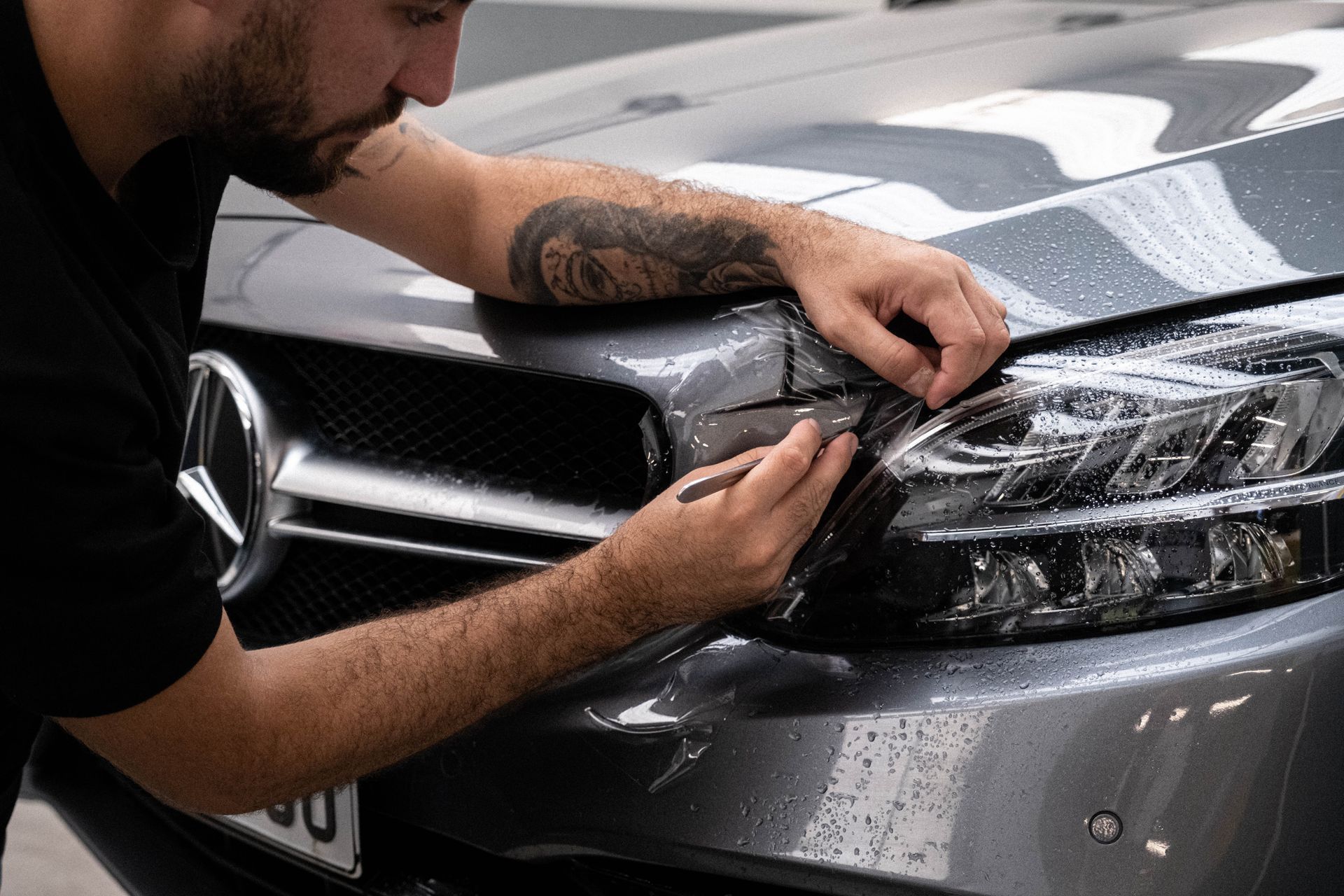
Paint Protection Film (PPF) is a thick, clear urethane film physically applied to your vehicle's painted surfaces. Think of it like an invisible shield sitting on top of your paint. The film itself is what provides protection. When something hits your vehicle, the film absorbs the impact instead of your paint.
Paint protection film is thin enough to be nearly invisible but thick enough to cushion impacts from road debris. Quality PPF also includes self-healing properties, where minor surface marks disappear when exposed to heat.
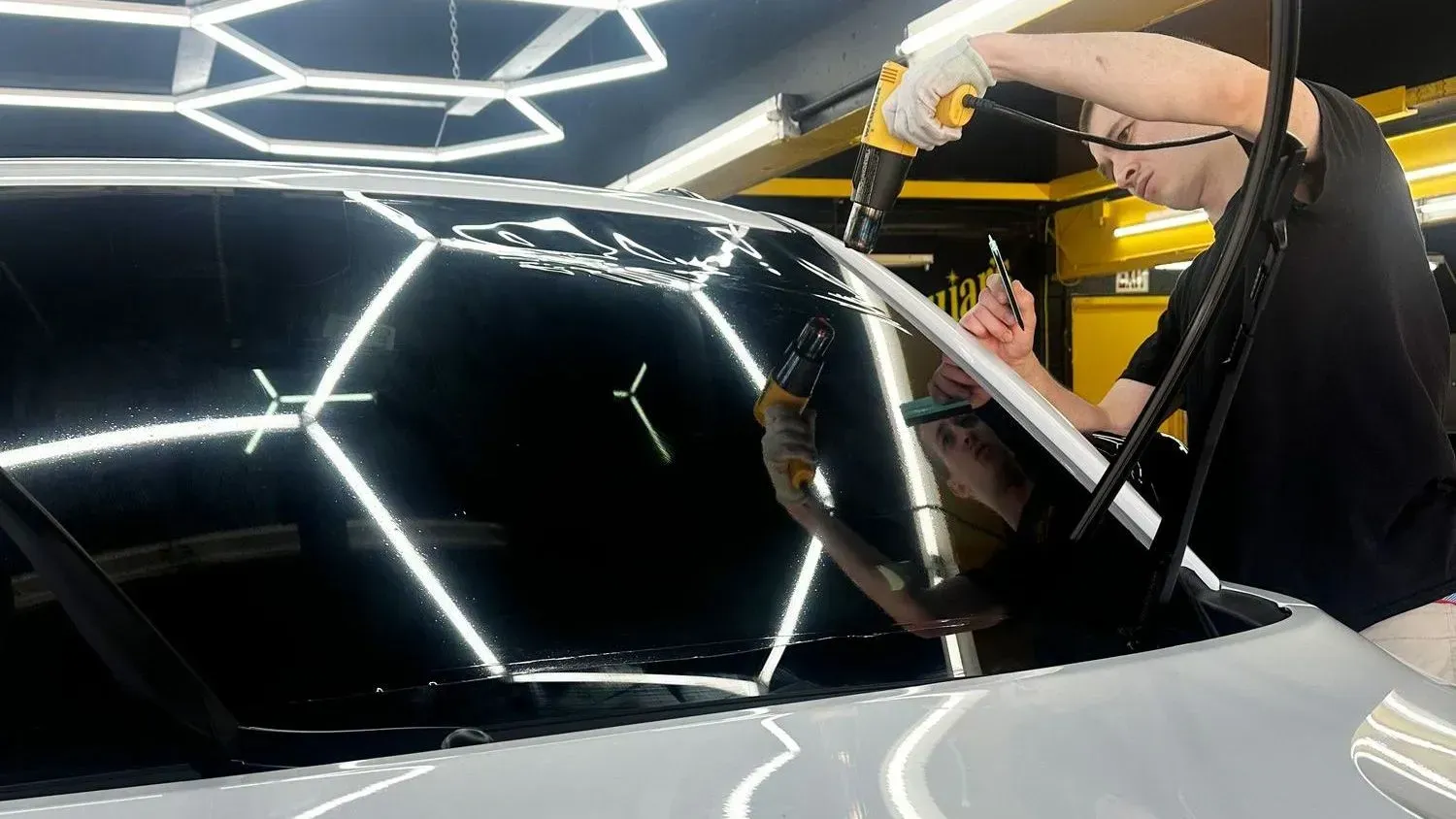
Ceramic Coating is a liquid polymer that chemically bonds with your vehicle's clear coat. Unlike PPF, ceramic coating doesn't add significant physical thickness. Instead, it creates an extremely hard, glass-like layer that becomes part of your paint's surface.
Ceramic coating enhances your clear coat's properties rather than covering it with a separate barrier. The chemical bond creates a slick, hydrophobic surface that repels water and contaminants while protecting against UV damage and chemical etching.
One adds a physical layer. One creates a chemical bond. This fundamental difference explains everything about what each product can and cannot do.
What Each Product Protects Against
The PPF vs ceramic coating decision becomes clearer when you understand what threats each product addresses.
Paint Protection Film Protects Against:
- Rock chips and gravel impacts from highway driving
- Road debris kicked up by other vehicles
- Bug splatter that would otherwise etch into paint
- Minor door dings and parking lot contact
- Shopping cart bumps and similar low-speed impacts
- Tree branch contact and environmental debris
PPF excels at physical protection. Anything that would chip, dent, or mar your paint gets absorbed by the film instead. The self-healing urethane also handles light surface marks that would be permanent on bare paint.
Ceramic Coating Protects Against:
- UV radiation that causes paint fading and oxidation
- Bird droppings and their acidic compounds
- Tree sap that bonds to unprotected paint
- Road chemicals, salt, and industrial fallout
- Water spots and mineral deposits
- Minor swirl marks from improper washing
Ceramic coating excels at chemical and environmental protection. Anything that would etch, stain, bond to, or degrade your paint gets blocked by the ceramic layer. The hydrophobic properties also make cleaning dramatically easier.
What Neither Product Does:
Neither PPF nor ceramic coating prevents major collision damage, deep impacts, or vandalism. They're protection products, not armor. Setting realistic expectations helps you appreciate what they actually deliver.
Ideal Use Cases for Each Option
Your answers to those questions point toward specific solutions in the PPF vs ceramic coating decision.
Ceramic Coating Alone Works Well For:
Vehicles primarily used for city driving with covered parking. The main threats are environmental contaminants, UV exposure, and frequent washing. Ceramic coating handles all of these while making maintenance much easier.
Owners who want enhanced appearance and easier cleaning. Ceramic coating delivers noticeable benefits that make daily ownership more enjoyable.
Vehicles with existing paint imperfections where preventing new rock chips isn't the priority. Ceramic coating still protects and enhances what you have.
PPF Alone Works Well For:
High-impact areas on vehicles with heavy highway exposure. Front bumper, hood, and fender PPF protects where rock chips actually occur without coating the entire vehicle.
Owners primarily concerned with physical damage prevention who aren't as focused on cleaning ease or gloss enhancement.
PPF Plus Ceramic Coating Works Well For:
New vehicles where owners want maximum preservation from day one. The combination prevents both physical and chemical damage while enhancing appearance.
Enthusiasts and show car owners who want pristine condition regardless of how they use the vehicle.
Vehicles with recently corrected paint where owners want to protect their investment in paint restoration.
Highway commuters who also want easier maintenance. PPF handles impacts while ceramic coating makes the entire vehicle easier to clean.
Why the Combination Approach Makes Sense
Many conversations about PPF vs ceramic coating end with the same realization: these products complement each other rather than compete.
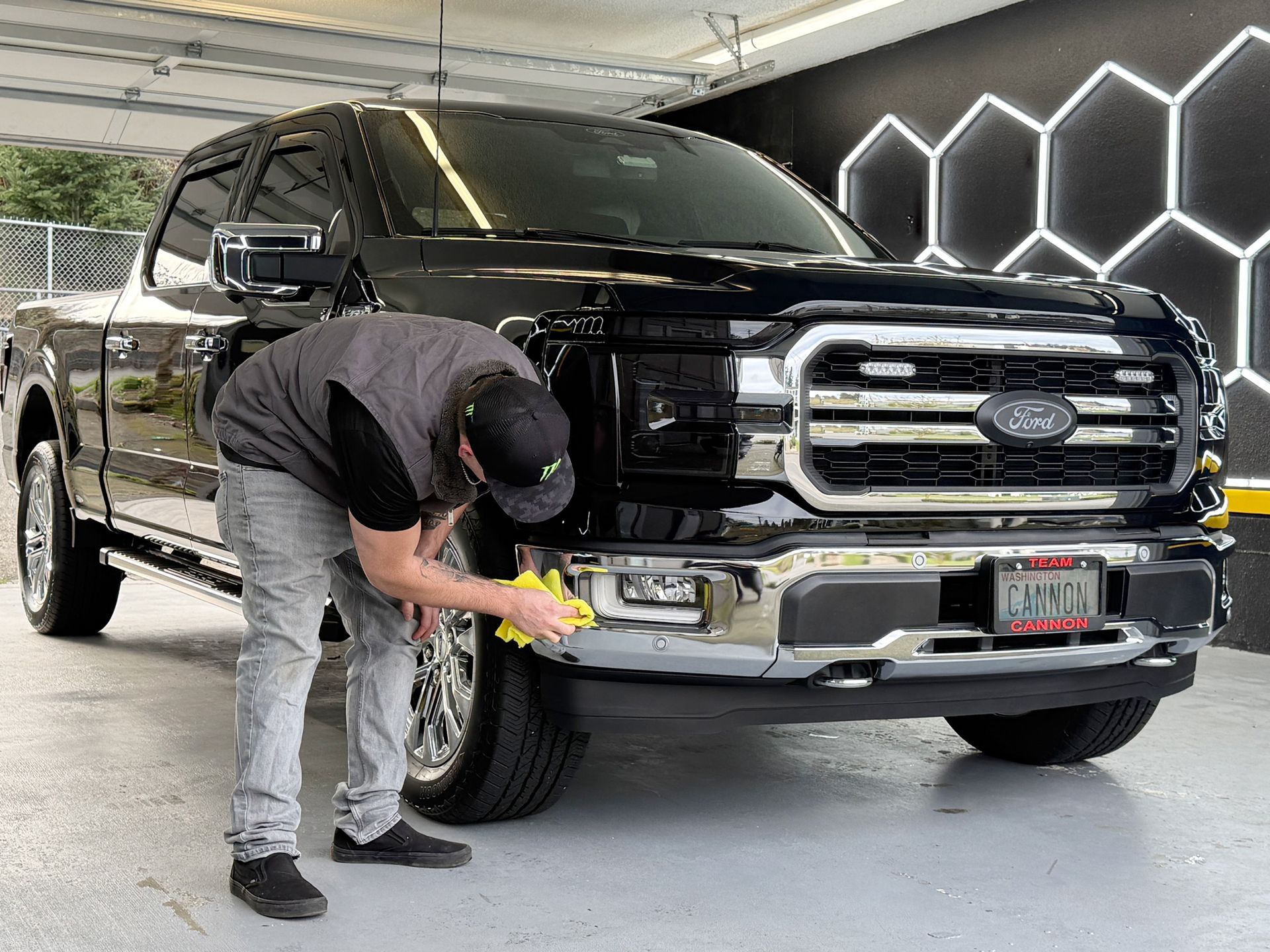
PPF on high-impact areas handles the physical threats ceramic coating cannot address. Ceramic coating over everything, including the PPF, handles the chemical and environmental threats while adding hydrophobic properties and enhanced gloss to the entire vehicle.
The combination approach looks like this:
- PPF applied to front bumper, hood, fenders, mirrors, and other high-impact zones
- Ceramic coating applied over the PPF and all remaining painted surfaces
- Complete protection against both physical impacts and environmental damage
This isn't about upselling. It's about understanding that different threats require different solutions. If you face both rock chips and environmental exposure, addressing only one leaves gaps in your protection.
That said, the combination approach costs more than either option alone. Budget constraints are real, and choosing one protection type over having none is always better than waiting until you can afford everything.
Making Your Decision
The PPF vs ceramic coating choice comes down to matching protection to your actual needs and budget. Here's a simplified framework:
Choose Ceramic Coating If: You want easier maintenance, enhanced gloss, and protection from environmental damage. Your vehicle sees mostly city use with covered parking. Budget is a primary consideration. You're okay with accepting some rock chip risk in exchange for other benefits.
Choose PPF (Partial Coverage) If: Rock chips and physical impacts are your main concern. You drive highways frequently or park in high-risk areas. You want targeted protection on vulnerable areas without full-vehicle investment.
Choose the Combination If: You want complete protection against all common threats. Your vehicle is new or recently corrected and worth preserving fully. Budget allows for comprehensive protection. You plan to keep the vehicle long-term and want maximum value retention.
Start Somewhere If Budget Is Tight: Ceramic coating alone still provides significant benefits. Partial PPF on just the front bumper catches most rock chips. You can always add more protection later. Some protection beats no protection every time.
Getting Personalized Guidance
Reading about PPF vs ceramic coating helps you understand your options, but every vehicle and owner situation differs. What works for a highway commuter in a new sports car differs from what works for a city driver in a family SUV.
At Top Notch Tint & Detail +, we start every protection conversation by understanding your specific situation. How do you use your vehicle? What concerns you most? What's realistic for your budget? The answers guide our recommendations.
We're not here to push the most expensive option. We're here to help you choose protection that actually makes sense for your life.
Schedule Your Protection Consultation
Not sure which protection is right for your vehicle? At Top Notch Tint & Detail +, we'll help you choose the right combination of ceramic coating and PPF based on how you actually use your car.
Get in touch and let's create a custom protection plan that fits your needs and budget. No pressure, no overselling, just honest guidance on protecting your investment the right way.
Frequently Asked Questions
What's the main difference between PPF and ceramic coating?
PPF vs ceramic coating comes down to physical versus chemical protection. PPF is a thick urethane film that absorbs physical impacts like rock chips. Ceramic coating is a chemical bond that protects against UV rays, contaminants, and environmental damage while adding hydrophobic properties.
Can I get both PPF and ceramic coating?
Yes, and many vehicle owners choose this combination. PPF goes on first to protect high-impact areas, then ceramic coating goes over everything. This approach addresses both physical and chemical threats while enhancing appearance and making maintenance easier.
Which one is better for a new car?
Neither is universally "better." New cars benefit from both types of protection. If budget allows, the combination approach preserves your vehicle from every common threat. If choosing one, consider your driving habits and primary concerns to guide the decision.
Is ceramic coating worth it if I don't get PPF?
Absolutely. Ceramic coating alone provides significant benefits including UV protection, chemical resistance, hydrophobic properties, enhanced gloss, and easier maintenance. It protects against everything except physical impacts, which may be acceptable depending on your driving situation.